
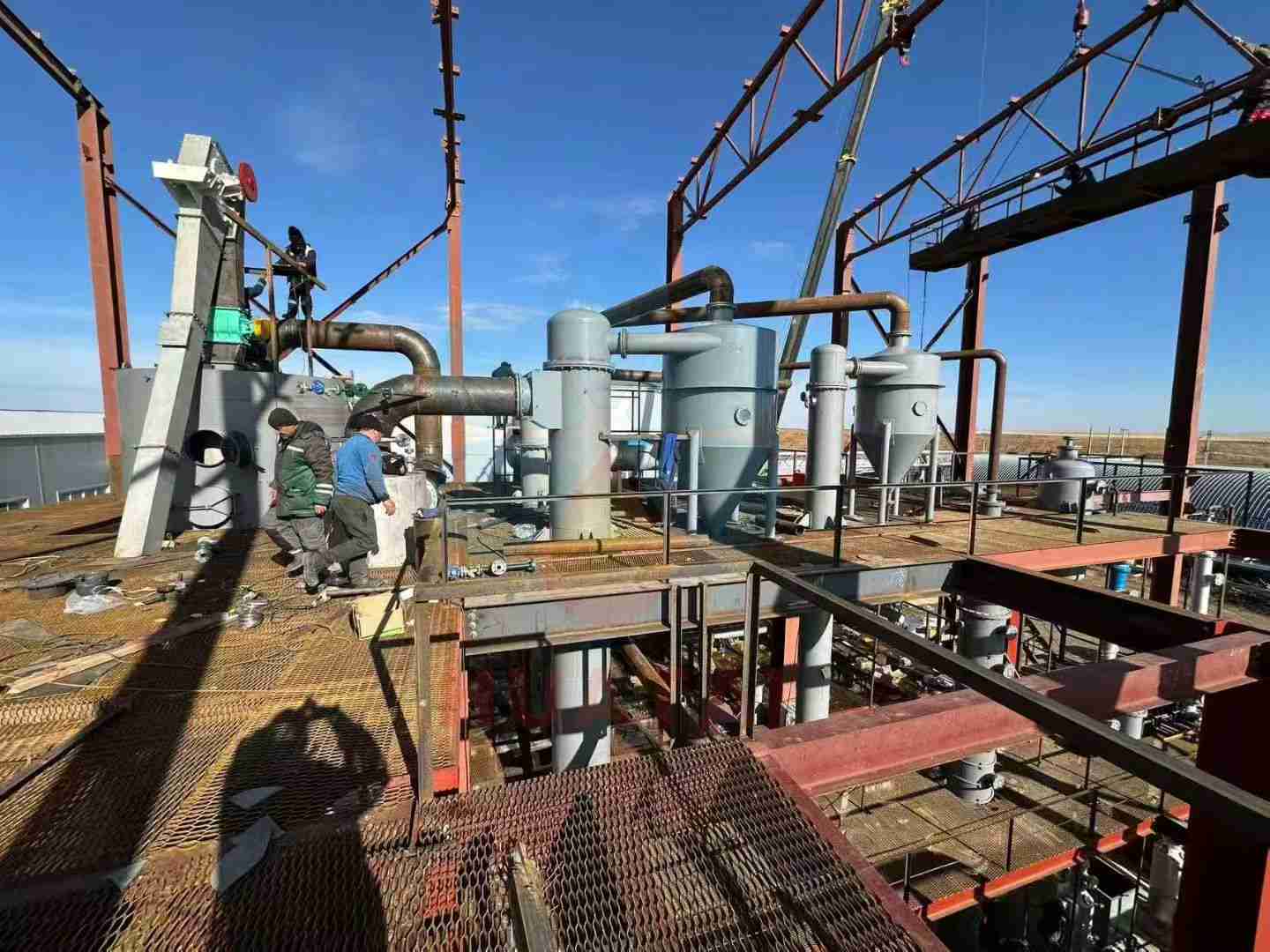
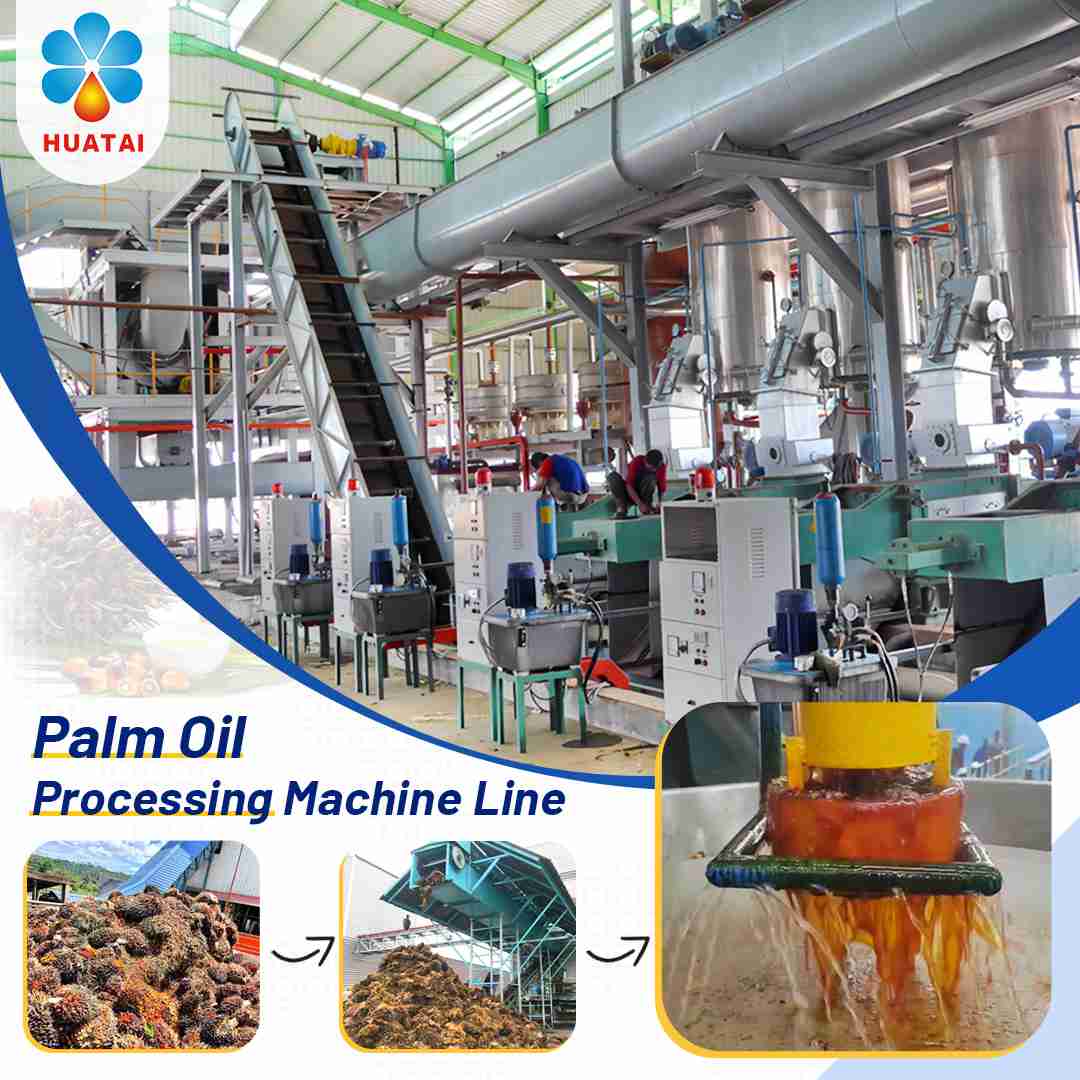
While the oil palm processing industry generates economic benefits, it also faces significant challenges in wastewater treatment. How to transform highly polluting processing wastewater into reusable resources has become crucial for the industry's sustainable development. Henan Huatai Cereals and Oils Machinery Co., Ltd., through 38+ years of technological innovation, has provided a practical solution to this problem.
The Dual Nature of Oil Palm Processing Wastewater: Pollution Source and Resource Pool
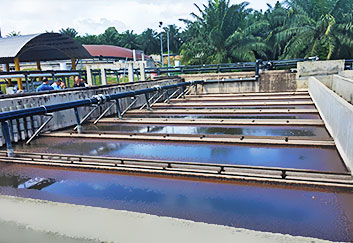
Wastewater generated during oil palm processing contains high concentrations of organic matter, oils, and suspended solids, with extremely high chemical oxygen demand (COD) and biochemical oxygen demand (BOD) values. Direct discharge without treatment will severely damage aquatic ecosystems, leading to eutrophication, aquatic life mortality, and other environmental problems.
However, this seemingly harmful wastewater actually contains immense value:
1. Energy Potential: Each cubic meter of oil palm processing wastewater can produce 18-28 cubic meters of biogas.
2. Nutritional Resources: Rich in essential elements for plant growth such as nitrogen, phosphorus, and potassium.
3. Reuse Potential: With proper treatment, it can be used for irrigation or industrial reuse.
4. Emission Reduction Value: Effective treatment can reduce pollutant emissions by more than 90%.
Huatai Oil Machinery: An Innovative Leader in Wastewater Treatment Technology
Henan Huatai Cereals and Oils Machinery Co., Ltd. has been deeply involved in the grain and oil machinery field for many years, combining traditional processes with modern technology to develop comprehensive treatment solutions specifically tailored to the characteristics of oil palm processing wastewater.
1. Systematic Treatment Process
Huatai Oil Machinery's wastewater treatment system employs a multi-stage treatment mode:
1) Primary Pretreatment Stage
High-efficiency solid-liquid separation device removes suspended solids
Oil-water separation system recovers usable oils
Equalization tank balances water quality and quantity, creating conditions for subsequent treatment
2) Core Biochemical Treatment Stage
High-efficiency anaerobic reactor converts organic pollutants into biogas
Aerobic treatment further reduces pollutant concentration
Huatai's patented technology increases treatment efficiency by over 35%
3) Advanced Treatment and Resource Utilization Stage
Membrane separation technology ensures effluent quality
Nutrient recovery system extracts valuable nutrients Nutrients
Greywater Reuse Solution Achieves Water Resource Recycling
2. Technological Innovation Highlights:
Huatai Oil Machinery's wastewater treatment solution has the following outstanding advantages:
1) High-Efficiency Energy Recovery: Optimized anaerobic digestion process increases biogas production by 40%.
2) Intelligent Control System: IoT technology enables fully automated monitoring of the entire process.
3) Modular Design: Flexible configuration based on treatment scale and site conditions.
4) Low Operating Costs: System energy consumption is reduced by 30% compared to traditional methods.
5) Stable and Compliant Discharge: Ensures effluent meets national and international standards.
3. Practical Application Results:
Palm oil processing enterprises using Huatai Oil Machinery's wastewater treatment system have achieved significant results:
1) Environmental Benefits:
Pollutant emissions reduced by over 95%
Significantly reduced impact on water bodies
Compliant with environmental standards of major palm oil producing countries such as Malaysia and Indonesia
2) Economic Benefits:
Biogas energy can meet 20-30% of the factory's energy needs
Water reuse rate up to 70%
Reduced pollution discharge fees and environmental penalties
3) Social Benefits:
Improved relationship between the enterprise and the community
Enhanced corporate environmental image and product competitiveness
Facilitates RSPO (Roundtable on Sustainable Palm Oil) certification
4. Industry Development Trends and Future Outlook
With the increasing global awareness of environmental protection and the deepening of the concept of sustainable development, oil palm processing wastewater treatment is facing new opportunities:
1) Policy-driven: Increasingly stringent environmental regulations in various countries are driving companies to increase investment in pollution control.
2) Market-oriented: Green consumption trends are prompting companies to improve their environmental performance.
3) Technological advancements: New technologies are constantly emerging, improving treatment efficiency and resource recovery rates.
Henan Huatai Cereals and Oils Machinery Co., Ltd. will continue to dedicate itself to the innovation of wastewater treatment technology, developing more efficient, energy-saving, and intelligent treatment solutions to help oil palm processing enterprises achieve a win-win situation of economic and environmental benefits.
Conclusion
Wastewater treatment in oil palm processing is no longer simply an environmental cost, but an important component of sustainable development for enterprises. Through technological innovation and resource utilization, wastewater can be transformed into energy, nutrients, and water resources, realizing a transformation from a "treatment burden" to a "source of value."
Henan Huatai Cereals and Oils Machinery Co., Ltd.'s wastewater treatment solutions provide reliable technical support for oil palm processing enterprises, helping them enhance their competitiveness while protecting the environment, and jointly promoting the industry towards a greener and more sustainable development. Choosing advanced wastewater treatment technology is not only a corporate social responsibility but also a wise investment for the future.
Website: https://www.oilpresscn.com/
Email: info06@cnoilmachine.com