
Finished groundnut oil is generally categorized into two types: pressed groundnut oil and solvent-extracted groundnut oil. Pressed groundnut oil is produced using mechanical oil presses, while solvent-extracted oil is obtained by using a solvent to extract the oil. These are the two most common methods currently employed by groundnut oil mills.
Groundnuts have an oil content exceeding 40%, making them a high-oil-content raw material. Furthermore, the flavor of groundnut oil is highly popular among consumers. Consequently, most groundnut oil mills prefer the pressing method, which can be further adapted to produce either "aromatic" (intensely flavored) groundnut oil or standard pressed groundnut oil. The processing steps for pressed groundnut oil are outlined below.
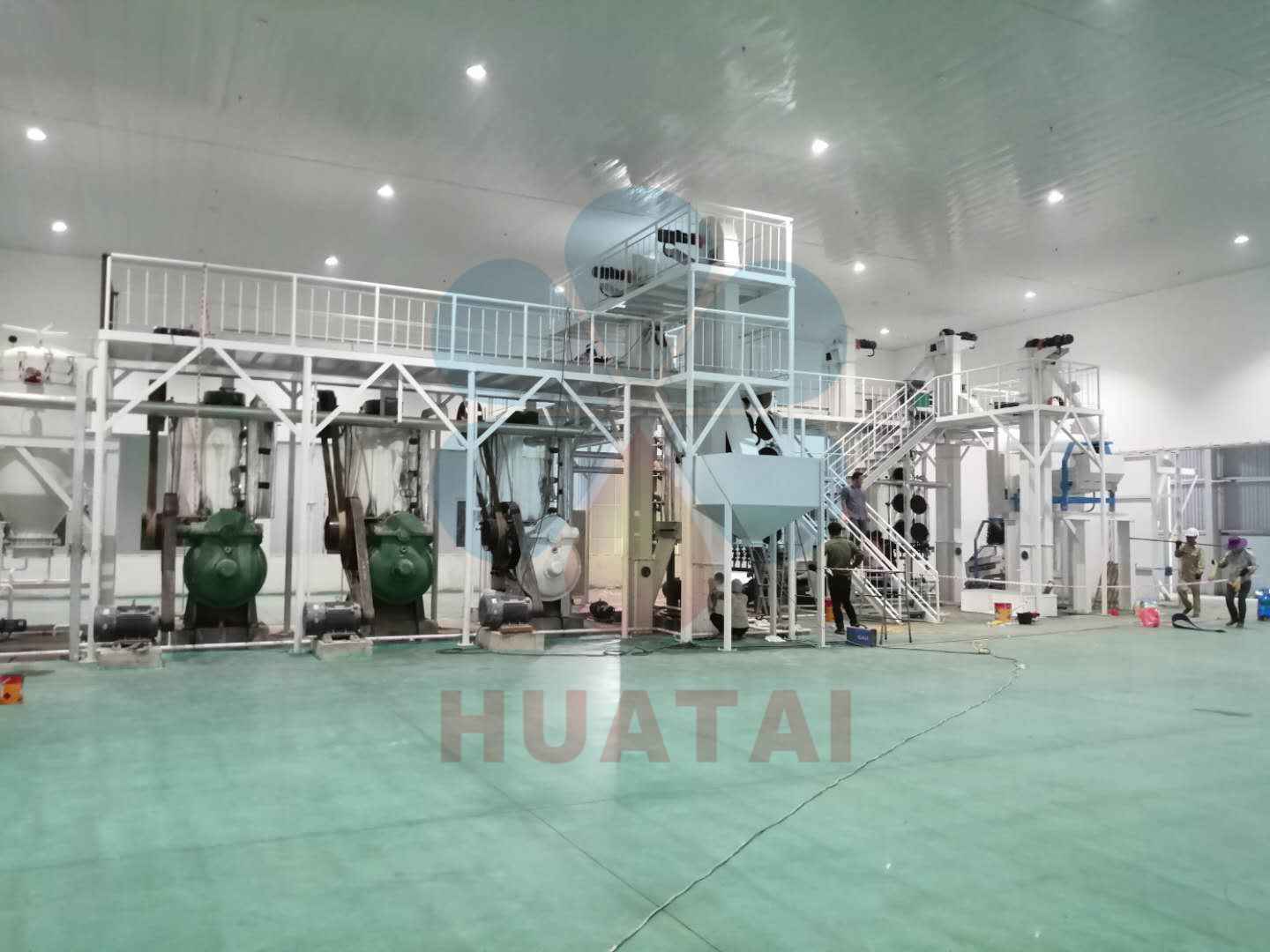
In a groundnut oil mill, the transformation of raw groundnuts into finished oil involves several stages: cleaning, destoning, crushing, conditioning (softening), flaking, steaming/roasting, pressing, filtering, and refining. Each step serves a specific purpose:
1) Cleaning and Destoning: This process removes impurities-such as stones, sand, soil, and plant stalks-that may have been introduced during the harvesting, transport, or drying of the groundnuts. This not only improves the quality of the oil but also prevents equipment wear and damage caused by foreign debris.
2) Crushing, Conditioning, and Flaking: Crushing the groundnuts, followed by conditioning (softening), increases the material's pliability and reduces the formation of fine particles during flaking. Flaking transforms the groundnuts into thin slices, altering their internal structure and increasing their surface area; this shortens the path for oil extraction during the pressing stage.
3) Steaming and Roasting: This step adjusts the temperature and moisture content of the groundnut flakes, ensuring they are in an optimal state for oil extraction by the press. Steaming and roasting are also key to developing the characteristic aroma of groundnut oil; groundnuts processed in this manner yield an oil with a much richer, more intense fragrance.
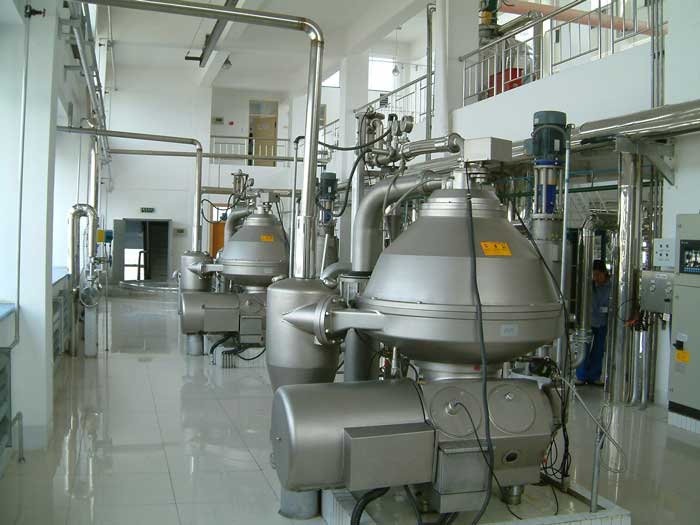
4) Pressing and Refining: After the groundnut flakes have undergone these preparatory steps, they are fed into a groundnut oil press to produce crude groundnut oil. Depending on the desired quality grade of the final product, the groundnut oil processing plant will then employ specific refining equipment and processes to achieve the required standards. Crude groundnut oil is refined to remove impurities, resulting in the final, finished groundnut oil product.
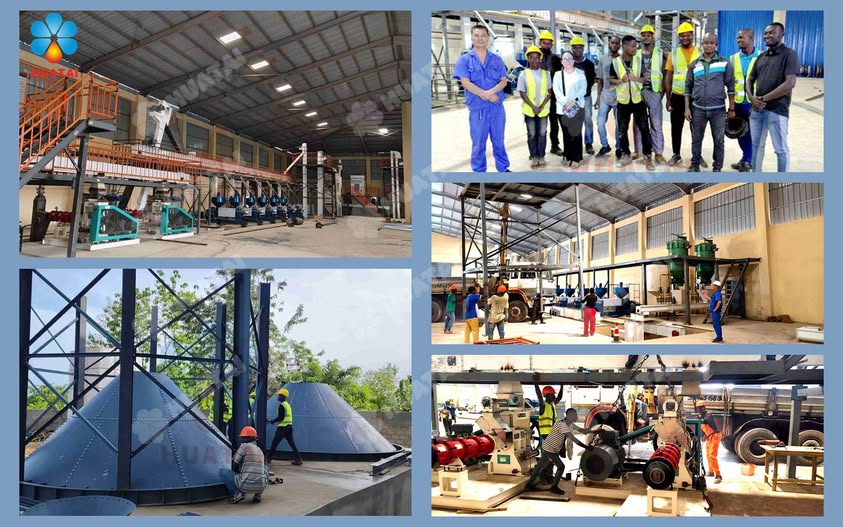
The above outlines the groundnut oil pressing process. The configuration of a groundnut oil production line must take into account various factors-such as the investor's facility size, desired production capacity, quality requirements, and budget-in order to develop a tailored equipment setup and provide an accurate price quote. Henan Huatai Cereals & Oils Machinery Co., Ltd. has specialized in the R&D and manufacturing of oil processing equipment for many years, offering high-quality machinery at competitive prices. With a comprehensive range of equipment models, we provide customized solutions to configure production lines according to specific client needs. Huatai's core product offerings include oil presses, oil refining equipment, solvent extraction equipment, and complete edible oil production lines; we also undertake turnkey projects for the oil industry. We are committed to providing our clients with high-quality edible oil equipment and excellent service, and we warmly welcome you to visit our facilities.
Website: https://www.oilpresscn.com/
Email: info06@cnoilmachine.com