
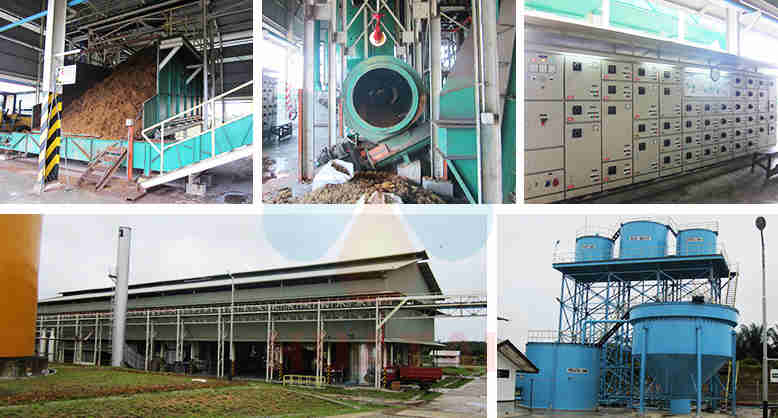
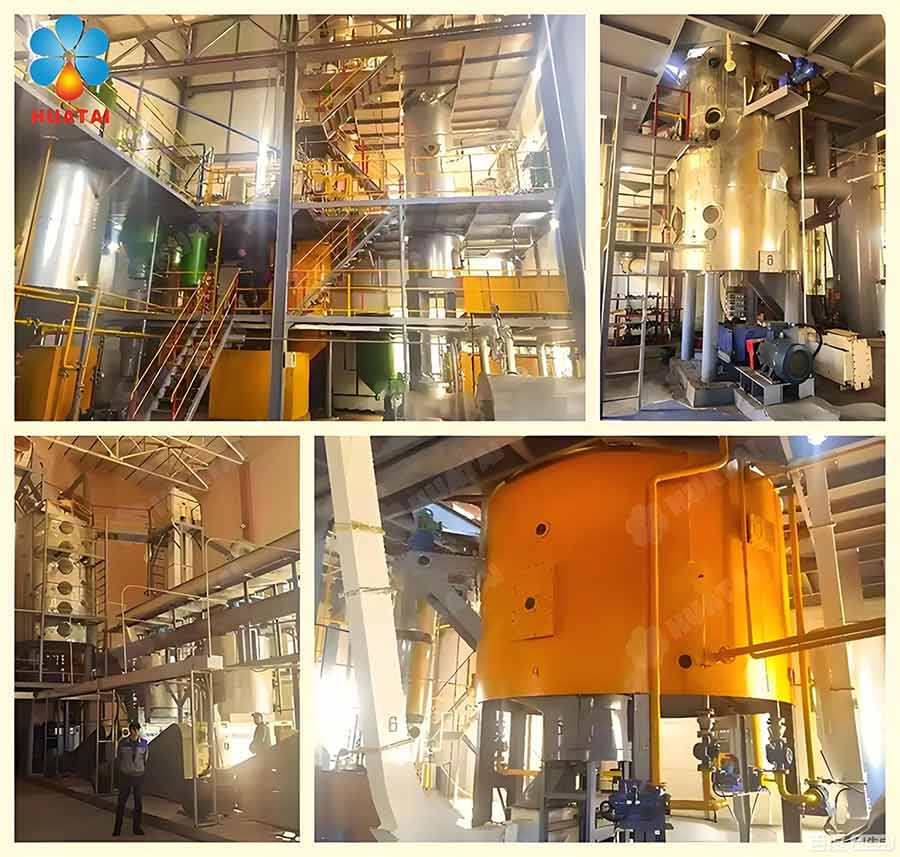
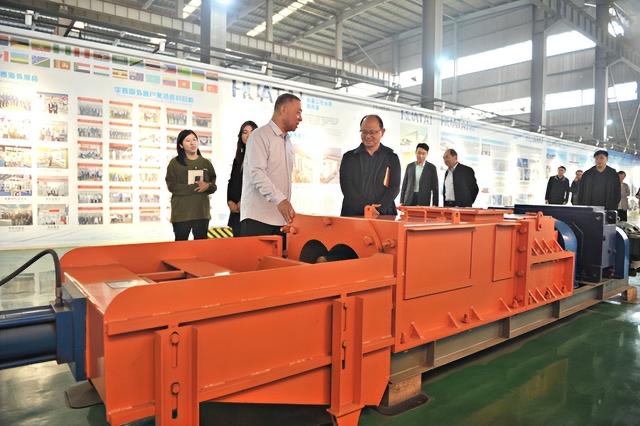
For peanut oil mills, the solvent extraction workshop is a critical link in maximizing overall profitability—it allows for the complete recovery of residual oil from the press cake. However, because the extraction process involves flammable solvents and high-pressure equipment, selecting the right machinery is not merely a matter of comparing prices; it is a complex decision involving process compatibility, safety margins, and long-term operating costs.
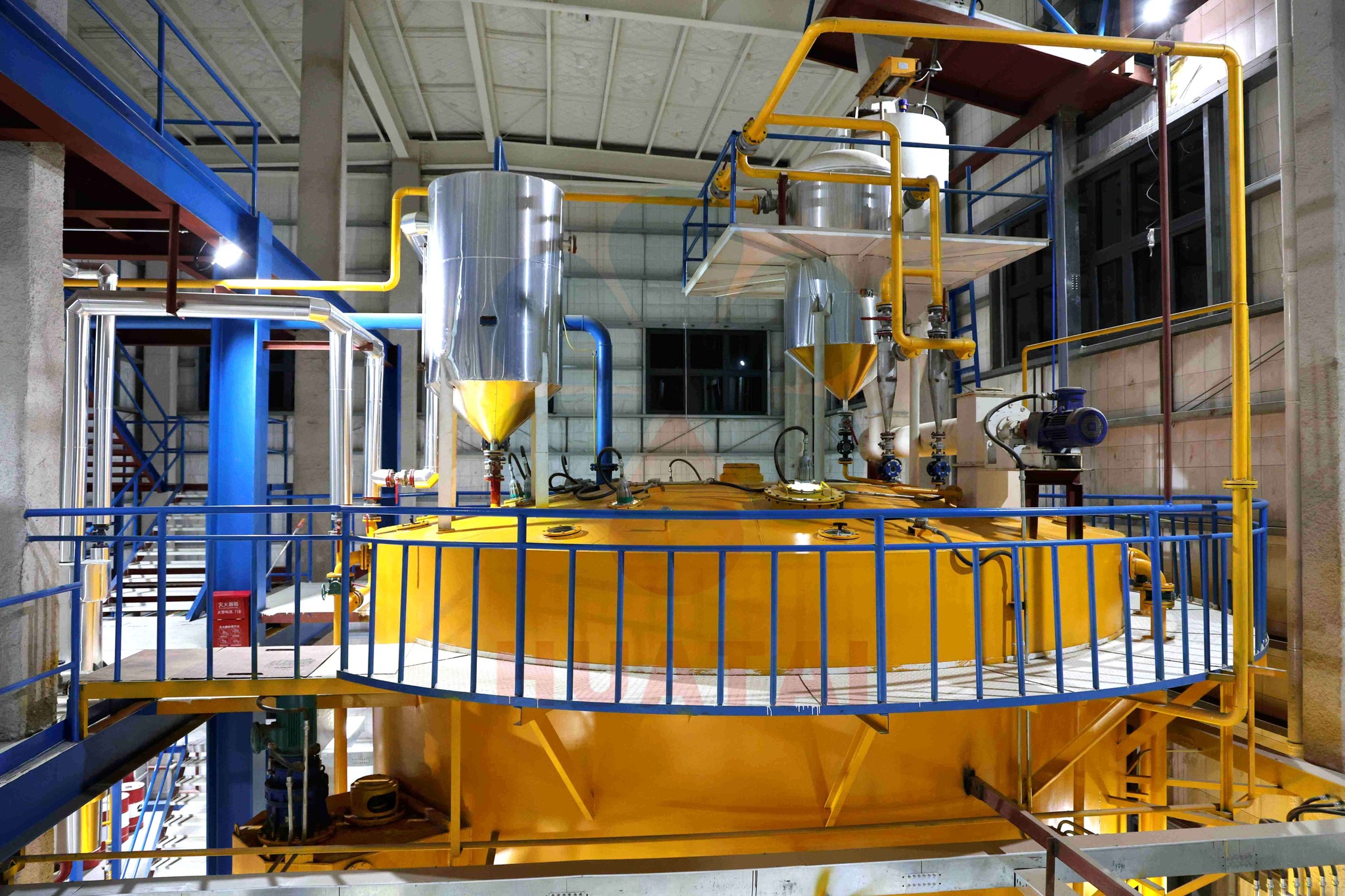
1. Determining the Process Route: Why Use the "Pre-pressing + Solvent Extraction" Method for Peanuts?
Peanuts are high-oil-content seeds. Direct solvent extraction would result in excessively high mixed-oil concentrations, place a heavy load on solvent recovery systems, and generate excessive meal fines. Therefore, the "pre-pressing + solvent extraction" method is the recommended, proven route for large-scale peanut oil processing projects.
Process Logic: Peanut kernels → Pre-treatment (cleaning, crushing, flaking) → Pre-pressing (screw press) → Pre-pressed cake (12%–18% residual oil) → Solvent extraction → Crude extracted oil.
2. Selecting Core Equipment: Choosing the Right Extractor
The extractor is the heart of the production line. Based on processing capacity, investment budget, and site conditions, the mainstream options are as follows:
Rotocel Extractor: Features a mature design, stable operation, high mixed-oil concentration, and low power consumption; while penetration is slightly slower with thicker material beds, it is a versatile, general-purpose extractor.
Loop Extractor: Offers excellent material bed turnover, uniform extraction, and low residual oil rates; however, it has a complex structure, a large footprint, and high initial investment costs, making it suitable for large-scale oil mills.
Towline Extractor: Features a thin material bed and rapid penetration, making it suitable for materials with high fines content; however, the chain requires significant maintenance, making it a good fit for small-to-medium-sized oil mills.
Small-to-Medium Oil Mills (≤200 tons/day): The rotocel extractor is the top choice. The technology is highly mature, spare parts are readily available, maintenance is convenient, and it offers the best cost-performance ratio.
Large-scale oil plants (>300 tons/day): If high oil yield and automation are priorities, a loop extractor is a viable option, though it entails higher infrastructure and equipment costs.
3. Pitfall Avoidance: Three Key Considerations for Peanut Oil Solvent Extraction Process
1) Fines Control: Excessive fines in peanut pre-press cake can create "dead zones" within the extractor, impeding solvent penetration. Flaking thickness must be controlled during pretreatment, and when selecting an extractor, one should require the manufacturer to provide a screen plate gap configuration specifically designed for peanut material.
2) Solvent Selection: Prioritize the use of No. 6 extraction solvent or industrial-grade hexane. Peanut oil contains valuable flavor compounds; therefore, the solvent must have a narrow distillation range and low impurity levels to avoid introducing off-flavors.
3) Residual Oil Rate and Solvent Consumption: A qualified groundnut oil production line should limit residual oil in the cake to below 1.0% and keep solvent consumption under 3 kg per ton of material. If a manufacturer promises figures significantly better than this, verify whether the energy consumption of the off-gas recovery system is included in the calculation.
In summary, selecting peanut oil solvent extraction equipment is essentially about choosing a safe, efficient, and stable system. It is recommended to follow the principles of "process determined by pre-pressing," "equipment model determined by scale," and "safety as the bottom line":
Core: Choose a rotocel (flat-rotary) extractor for small-to-medium scales, and a loop extractor for large scales.
Key: Rigorously verify the desolventizing capacity and explosion-proof electrical certification of the DTDC (Desolventizer-Toaster).
Bottom Line: Peanut oil extraction must utilize the "pre-pressing + extraction" route; do not attempt direct extraction.
We recommend conducting on-site visits to manufacturers to inspect solvent consumption records and explosion-proof compliance documentation for similar peanut oil projects currently in operation; this is far more convincing than any specification sheet. Huatai edible oil extraction equipment is a genuine manufacturing enterprise with extensive project experience and a strong reputation among clients; we welcome you to visit our factory for inspection and consultation.
Website: https://www.oilpresscn.com/
Email: info06@cnoilmachine.com