
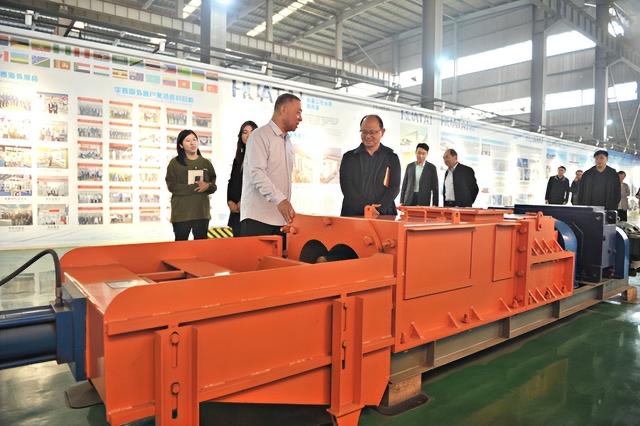

Establishing an edible oil processing plant involves a complete industrial chain, ranging from raw material handling to the production of finished oil. For investors and industry professionals, understanding the various stages of plant operations and mastering the key factors in selecting core equipment are crucial for successful management. As a benchmark enterprise in China's grain and oil machinery industry, Henan Huatai Cereals & Oils Machinery Co., Ltd. has dedicated over 38 years to the R&D and manufacturing of oil processing equipment, providing one-stop edible oil production line solutions to global clients. This article systematically outlines the core processes of edible oil factory business and offers a practical guide for you, highlighting Huatai Oil Machinery's technical strengths.
1. Core Processes of Edible Oil Factory Business
Edible oil production is broadly divided into two stages: oil extraction (from raw material to crude oil) and refining (from crude oil to finished oil). The extraction stage encompasses processes such as raw material pretreatment, pressing, and solvent extraction; the refining stage consists of degumming, deacidification, decolorization, and deodorization. Specifically, a complete set of edible oil processing equipment comprises four main sections: pretreatment, pressing, solvent extraction, and refining equipment.
2. Raw Material Pretreatment: Quality Oil Starts at the Source
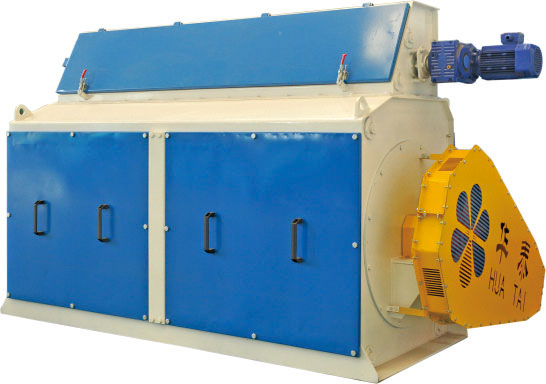
Pretreatment is the initial step in edible oil factory business, designed to bring the raw material to an optimal state for pressing or solvent extraction. Pretreatment equipment primarily includes cleaning machinery (magnetic separators, vibrating screens, destoners), dehullers, crushers, conditioners (softening vessels), expanders, flaking mills, and cookers.
Different oilseeds require different pretreatment equipment configurations. Peanut pretreatment involves dehullers, cleaning equipment, crushers, flaking mills, and cookers; sunflower seed pretreatment requires cleaning equipment, dehullers, kernel-shell separation screens, flaking mills, and cookers. Huatai's engineers flexibly configure or streamline pretreatment equipment based on the specific type of oilseed being processed, ensuring the investment delivers maximum value.
3. Pressing and Solvent Extraction: Efficiently Extracting Every Drop of Oil
Once pretreatment is complete, the oilseeds enter the core stage of oil extraction. For oilseeds with high oil content (such as peanuts and sunflower seeds), the pressing method is typically used for oil extraction; for those with lower oil content (such as soybeans and rice bran), solvent extraction is generally preferred.
In the field of pressing equipment, Huatai Oil Machinery has developed R&D and manufacturing capabilities covering a full range of oilseed crops—including rapeseed, peanuts, corn, and walnuts—with a product portfolio comprising over 20 types of core equipment. Taking peanut pressing equipment as an example, Huatai’s sixth-generation fully automatic hydraulic oil press features an intelligent temperature control system; it boosts oil yield by 15% compared to traditional equipment, achieves a daily processing capacity of 5 tons per unit, and reduces energy consumption by 20%. Its screw-type soybean oil press, through optimized screw shaft structure and pressing chamber design, increases operating pressure to 300 MPa, raises the daily processing capacity from 15 tons to 25 tons, and lowers energy consumption by 18%.
Regarding edible oil solvent extraction equipment, Huatai's drag-chain extractor is one of its core technological products. This equipment utilizes a negative-pressure evaporation process, resulting in a 25% reduction in solvent consumption and a 30% increase in extraction efficiency. Following processing, the residual oil content in the meal can be controlled to below 1%, ensuring maximum oil recovery from the raw material. Huatai offers customers turnkey solutions for intelligent, complete equipment sets—ranging from 10 to 2,000 tons per day—covering the entire process of oil pretreatment, extraction, and refining.
4. Edible Oil Refining: The Critical Leap from Crude Oil to Premium Oil
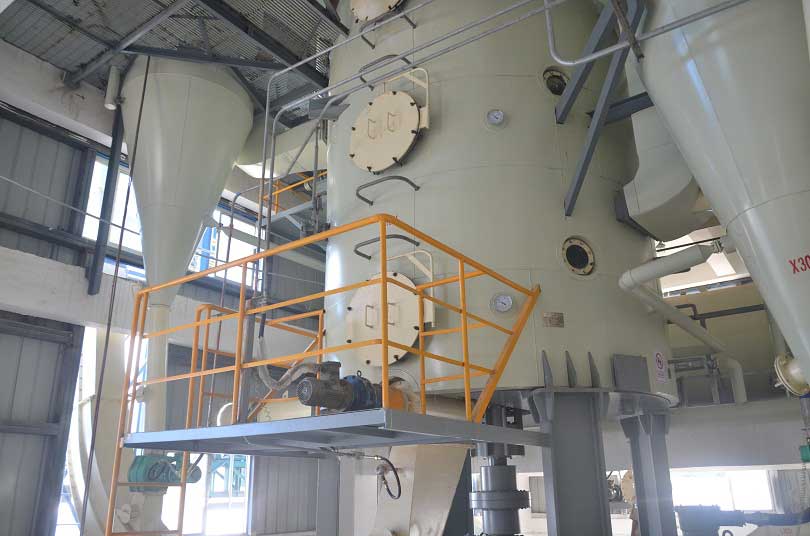
Crude oil obtained through pressing or solvent extraction contains impurities such as phospholipids, free fatty acids, pigments, and off-flavors; it must undergo refining to become marketable edible oil. Refining equipment primarily includes refining tanks, degumming tanks, bleaching tanks, and deodorizing tanks. Huatai Oil Machinery's core business encompasses 28 categories of refining equipment, establishing a comprehensive oil refining technology system. Huatai's complete edible oil refining equipment integrates four core processes—degumming, deacidification, bleaching, and deodorization. Utilizing steam-jet deodorization technology, the system raises the finished oil's smoke point to over 230°C, meeting national Grade I edible oil standards. The company offers advanced refining processes tailored to specific oil types. The entire facility features a high level of automation, utilizing full computer control and waste heat recovery technology to minimize steam consumption.
Huatai's oil refining equipment supports processing capacities ranging from 1 to 1,000 tons per day and is suitable for refining various oils, including tea seed oil, sesame oil, corn germ oil, castor oil, and safflower seed oil. Its rice bran oil refining equipment, for instance, employs advanced technology to maximize the retention of the oil's nutritional value; this system has garnered multiple honors, including the First Prize for Science and Technology from the Chinese Cereals and Oils Association and the Gold Award for Quality Products.
5. Customized Services and Global Presence
Success in the edible oil industry depends not only on the equipment itself but also on the supplier's ability to provide comprehensive solutions tailored to actual needs. With over 38 years of industry experience, Huatai Oil Machinery has established a full-service system covering pre-sales, in-sales, and after-sales stages. During the pre-sales phase, the technical team provides personalized configuration plans based on the client's oilseed type, capacity requirements, and budget. During the in-sales phase, professional engineers provide on-site guidance for installation and commissioning, ensuring the equipment reaches full production capacity within 72 hours. In the after-sales phase, service centers across the country provide 24-hour response times and on-site maintenance within 48 hours.
To date, Huatai Oil Machinery has served over 1,000 oil processing enterprises, exporting products to more than 70 countries and regions and establishing offices in over 20 nations. From a 100 TPD soybean expansion and oil pressing project in Togo to a 350 TPD sunflower seed oil pressing plant in Kazakhstan, and from a 50 TPD sunflower seed oil production line in Tanzania to a 100 TPD palm oil refining and fractionation plant in Pakistan, Huatai Oil Machinery has earned the trust of global clients through its robust technical expertise and high-quality service.
Conclusion
The edible oil factory business is a comprehensive undertaking; from raw material pretreatment, pressing, and solvent extraction to oil refining, every stage directly impacts the quality of the final product and the enterprise's economic performance. Selecting an equipment supplier with strong technical capabilities, a comprehensive product portfolio, and a robust service system is key for edible oil processing enterprises to achieve high-quality development. As a National High-Tech Enterprise and a National-level Green Factory, Henan Huatai Cereals & Oils Machinery Co., Ltd. is leveraging continuous technological innovation and a global operational footprint to help the global oil processing industry advance toward a future that is more efficient, eco-friendly, and intelligent.
Website: https://www.oilpresscn.com/
Email: info06@cnoilmachine.com