

Sunflower seeds are commonly used in food processing and as an oilseed source for extracting sunflower seed oil. The primary raw material is the oil-type sunflower seed, which has an oil content of approximately 50%. The extracted oil is golden in color, clear and transparent, and possesses a mild aroma; it is considered a nutritious oil due to its high content of unsaturated fatty acids, such as linoleic acid, which are essential for the human body. Globally, sunflower seed oil ranks fourth in consumption among all vegetable oils, following palm oil, soybean oil, and rapeseed oil.
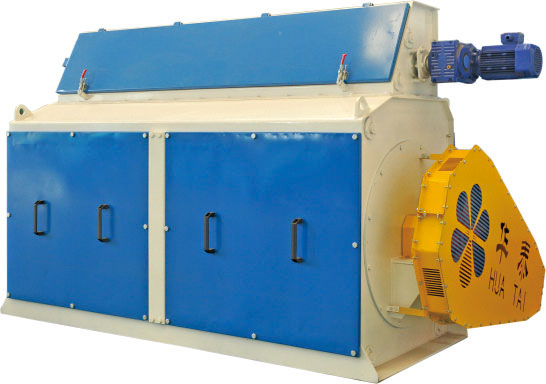
Sunflower seed oil is typically extracted using either the pressing method or the solvent extraction method. Pressing is a traditional physical processing technique that extracts oil through mechanical force; it preserves the oil's nutrients and flavor, resulting in a natural, healthy product favored by consumers. Sunflower oil solvent extraction, on the other hand, is a chemical process that uses a solvent to extract the oil. This method allows for thorough extraction, keeping the residual oil content in the meal (cake) below 1%, and is one of the most widely used processes in edible oil production.
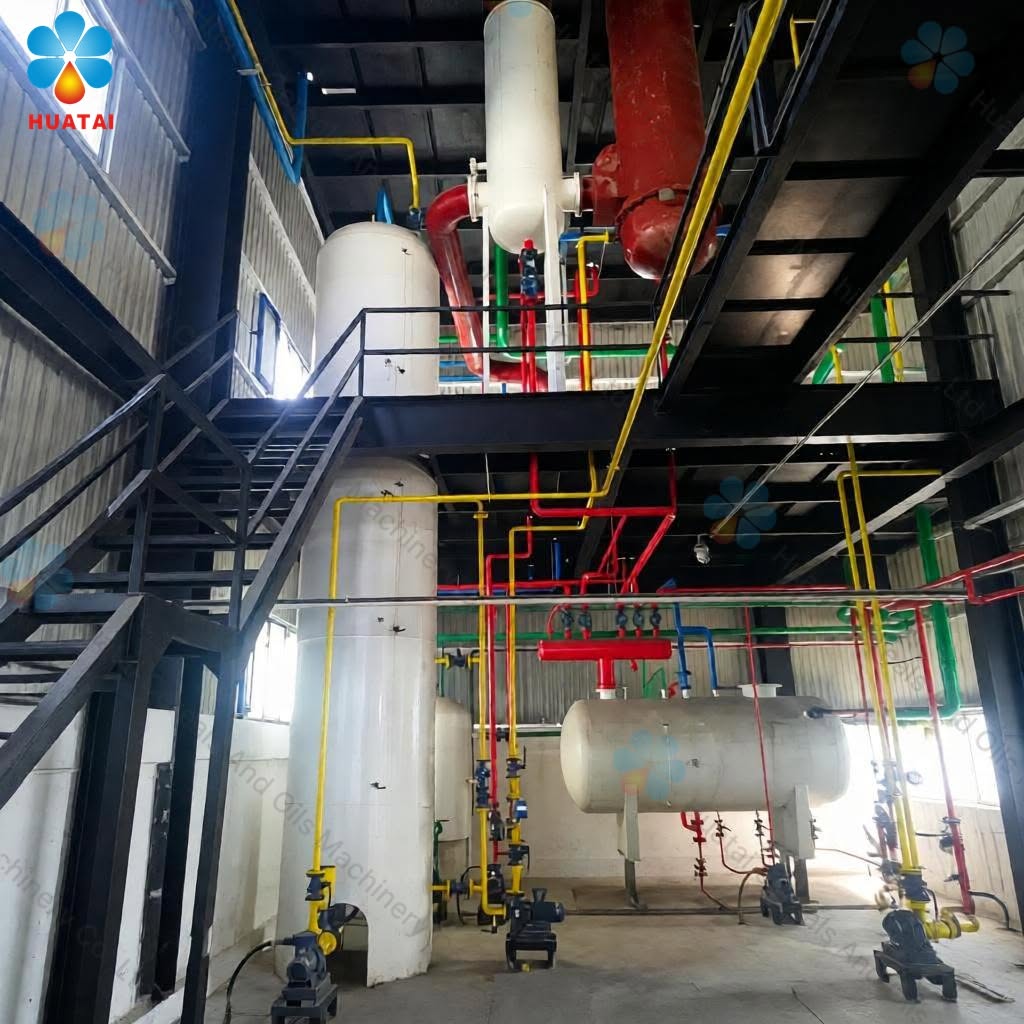
The sunflower oil solvent extraction process offers the following advantages:
1. High Capacity and Efficiency: Sunflower oil solvent extraction equipment can process tens or even hundreds of tons of oilseeds in a single batch. It offers high extraction efficiency and oil yield, effectively extracting the oil from the raw material.
2. High Level of Automation: The complete sunflower oil extraction system integrates various pieces of equipment to enable automatic control of parameters such as temperature, pressure, liquid level, vacuum, flow rate, and material level.
3. Reduced Production Costs: Solvents are recovered and recycled during the sunflower oil extraction process. Compared to mechanical sunflower oil pressing lines, this method significantly saves on energy costs—such as coal and electricity-resulting in lower overall production costs.
4. Superior Production Environment: The sunflower oil extraction process takes place within a closed system inside the extractor. It operates with no leakage or dust emissions and at lower temperatures, resulting in a better workshop environment compared to mechanical pressing methods.
For oil-rich crops like oil sunflower seeds, large-scale edible oil processing plants can employ a "pre-pressing and solvent extraction" process. This involves first pressing the seeds to extract oil, then crushing the resulting press cake to extract the residual oil within it. Since this process requires two separate oil production lines and entails significant equipment investment and high output capacity, it is best suited for plants capable of processing over 30 tons of raw material per day.
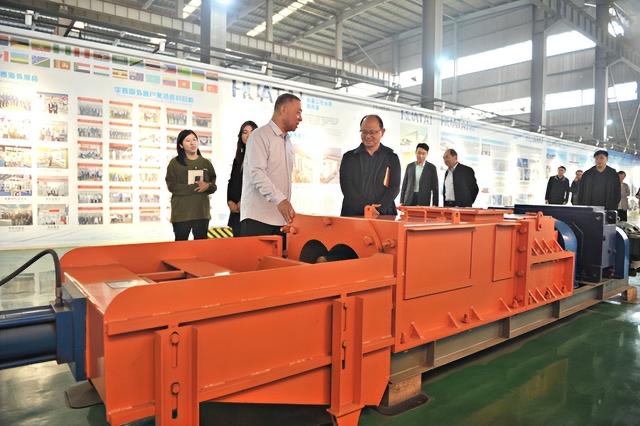
For investors, the choice depends on specific operational needs: sunflower oil pressing lines offer flexible configuration and controllable investment costs, while sunflower oil solvent extraction lines provide high automation, efficiency, and profitability. Each method has its own advantages and drawbacks. If you would like more details regarding edible oil production processes or equipment, please contact Huatai; our specialists are ready to assist you. With over 38 years of experience in the R&D and manufacturing of oil processing machinery, Huatai offers high-quality equipment and reliable after-sales service. We have a proven track record of successful collaborations with edible oil processing plants and can customize cooking oil production lines to meet specific capacity requirements—we welcome you to visit our factory in person.
Website: https://www.oilpresscn.com/
Email: info06@cnoilmachine.com