
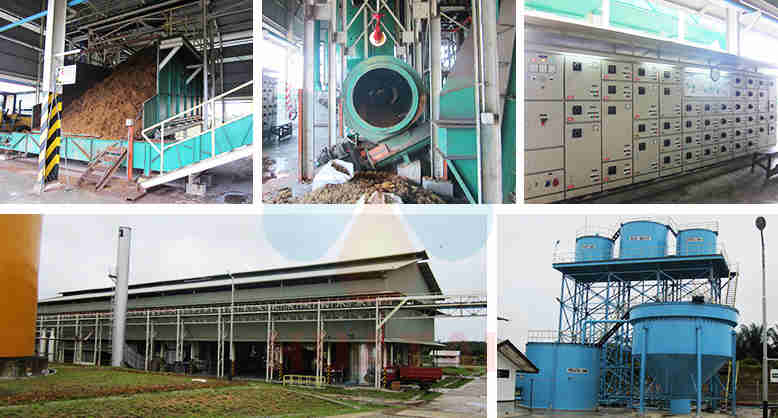
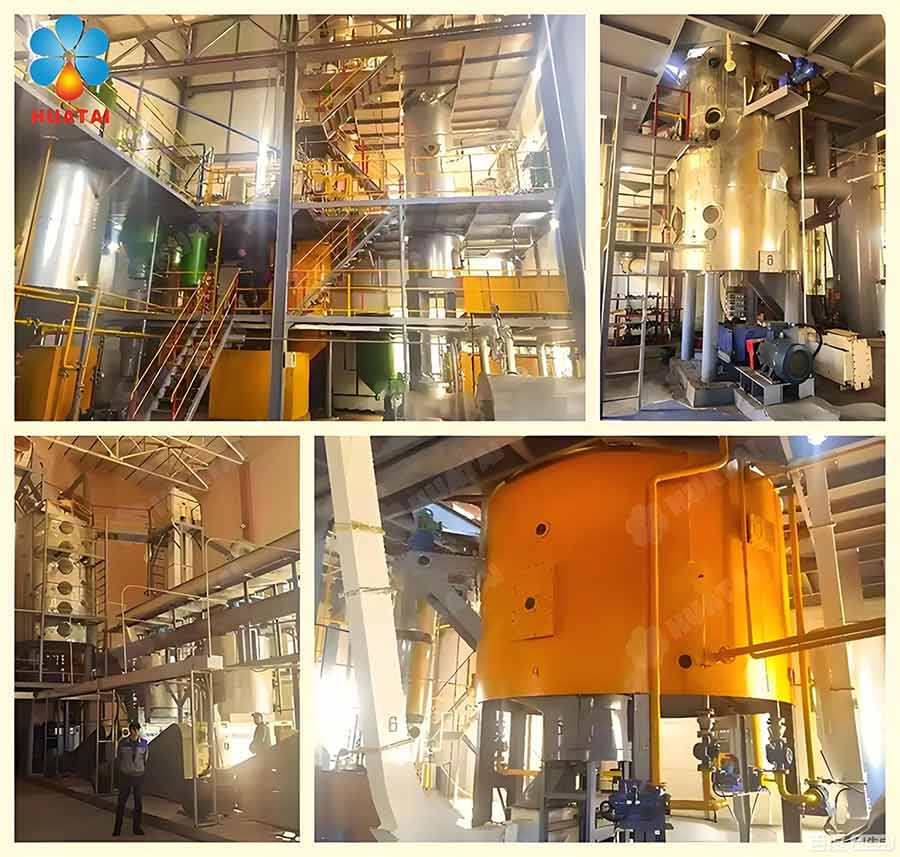
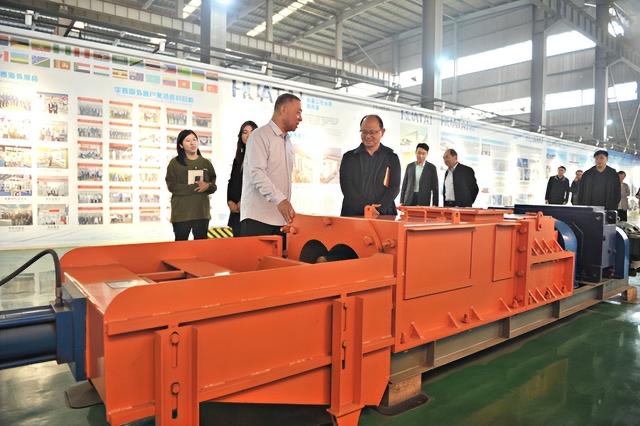
Soybean oil is a commonly used cooking oil in daily diets. Compared to other oilseeds, soybeans have a low oil content, only 16%~24%, but their high yield and low planting costs further reduce raw material procurement costs, resulting in a relatively lower price for soybean oil compared to other oils.
The oil pressing process is one of the main processing techniques for producing soybean oil. The soybean oil production line is mainly divided into four parts: raw material pre-treatment, pressing/solvent extraction, refining, and bottling. Soybean oil processing is generally large-scale, and profits are relatively low compared to other bulk oils. For soybean oil mills, any improvement in efficiency can increase their economic benefits. In soybean oil production, the pre-treatment process plays a crucial role in improving the soybean oil yield!
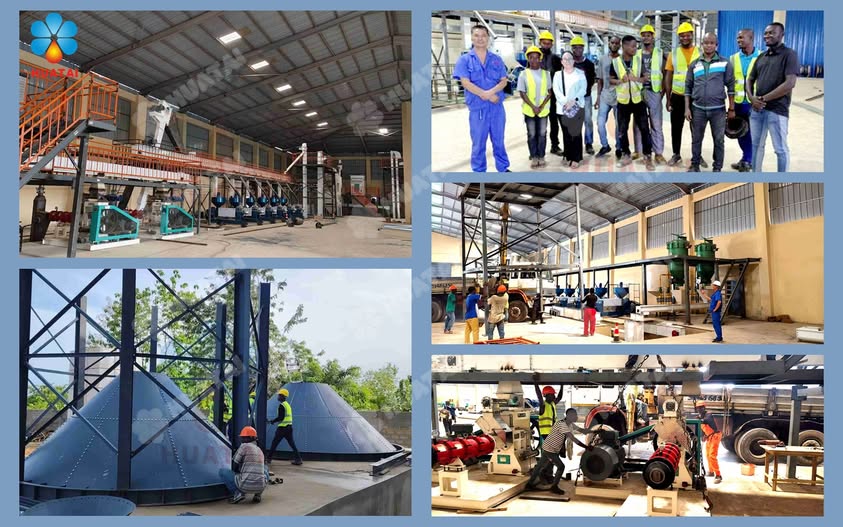
The pre-treatment process for soybean oil pressing mainly includes cleaning, crushing, extrusion, and steaming/roasting. A well-designed pre-treatment system can change the physical and chemical properties of soybeans, which is beneficial for subsequent soybean oil pressing and is key to improving oil yield, production efficiency, and product quality.
1) Raw Material Cleaning: The cleaning process primarily removes impurities such as sand, leaves, and iron filings from the soybean raw material, improving its purity and preventing these impurities from adsorbing oil during subsequent soybean oil production and causing wear on soybean oil equipment.
2) Crushing and extrusion: Whole soybeans are crushed into appropriately sized granules, which are then extruded into thin sheets using a extruder machine. This process disrupts the cell wall structure, exposing the oil and increasing the surface area of the oilseed. This allows for rapid and uniform solvent penetration during soybean oil solvent extraction process, and the oil is easily dissolved, significantly improving the oil extraction rate and yield.
3) High-Temperature Steaming and Roasting: The extruded sheets have a loose and porous structure, providing an ideal physical form for subsequent steaming and roasting. During steaming and roasting, temperature and moisture are controlled to disrupt the cell structure, causing the oil to coagulate and flow out easily; enzyme activity, such as lipase and lipoxygenase, is inhibited to prevent rancidity during soybean oil processing, ensuring oil freshness from the source; proteins are denatured and coagulated, reducing oil viscosity; and the elasticity and plasticity of the sheets are adjusted, allowing them to withstand appropriate pressure during soybean oil pressing and forming a good "oil channel." Stable and uniformly matured soybean meal ensures even feeding into the soybean oil extractor or soybean oil press, preventing clumping and bridging, and is a core guarantee for continuous, stable, and efficient soybean oil production line operation.
In summary, in soybean oil extraction production lines, pretreatment is a crucial step in releasing oil, improving efficiency, and ensuring oil quality. Through a series of physicochemical treatments of soybeans, the closed oil is transformed into an easily extractable state, laying the foundation for subsequent large-scale, continuous soybean oil production.
In actual production, different qualities of oil require different pretreatment processes. The specific configuration of the edible oil production line needs to be determined based on the edible oil mill's needs and production processes. For detailed information, please consult Henan Huatai Cereals and Oils Machinery Co., Ltd. We provide a full-process service from solution design to equipment customization to installation and commissioning, ensuring smooth commissioning of your edible oil mill!
Website: https://www.oilpresscn.com/
Email: info06@cnoilmachine.com