

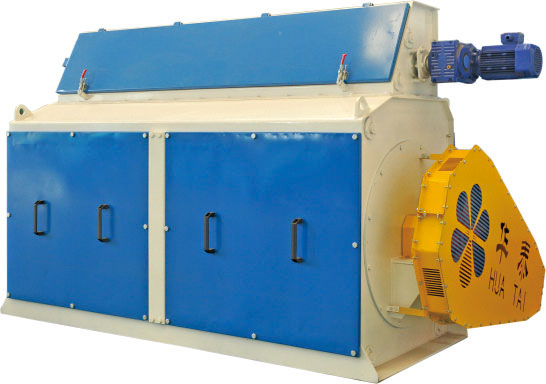
Corn oil is not extracted from whole corn kernels but rather from corn germ; consequently, it is also known as corn germ oil. Rich in various vitamins, minerals, and high levels of unsaturated fatty acids - primarily oleic and linoleic acids - corn oil helps lower serum cholesterol and prevent atherosclerosis, and their complications. Due to its significant value, corn oil is often referred to as "healthy oil," "safe oil," and "longevity oil."
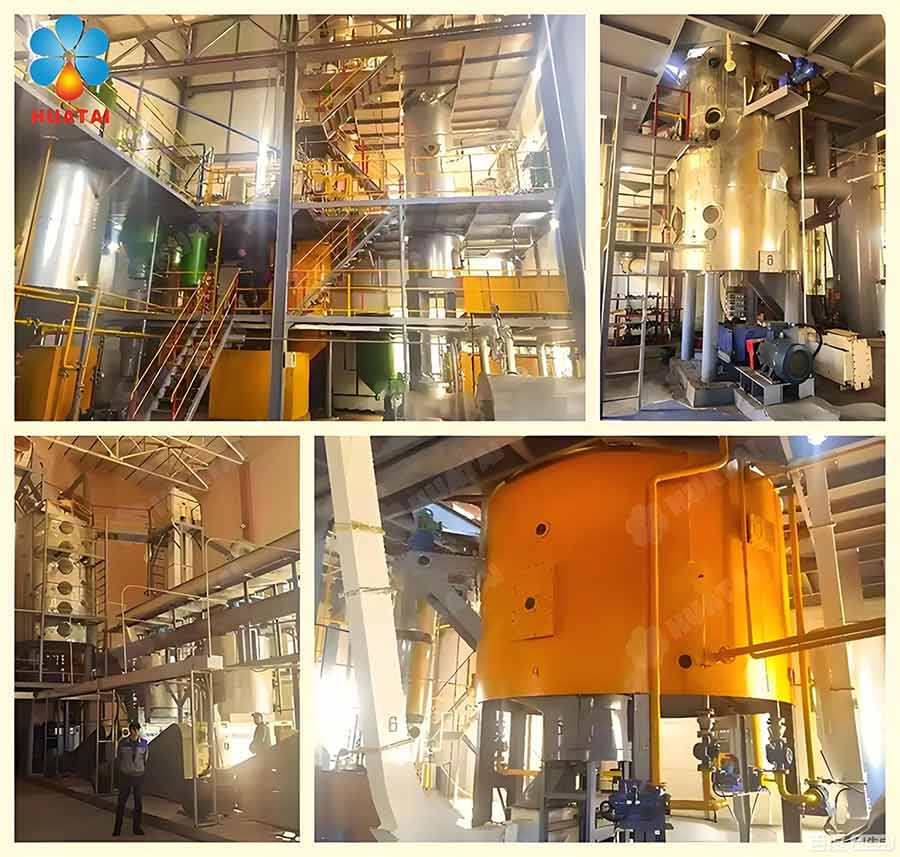
Easily digested and absorbed by the human body without causing excessive accumulation of fat or cholesterol, corn oil aligns perfectly with the health and nutritional goals of modern consumers, promising a vast market potential. Corn oil processing requires a complete set of specialized equipment, including corn germ oil presses, solvent extraction units, and refining systems. The primary processing steps are as follows:
First, harvested corn undergoes shelling to separate the kernels, followed by germ extraction using dry, wet, or semi-wet methods. The recovered corn germ is then cleaned, dried, softened, and subjected to steaming and roasting before proceeding to the next stage.
The two common extraction methods are mechanical pressing and solvent extraction. Oil obtained via mechanical pressing is of high quality, retains more nutrients, and offers superior flavor; however, this method results in higher residual oil content in the press cake, lower oil yield, and higher production costs.
In contrast, solvent extraction leaves very little residual oil in the meal and achieves a higher oil yield. However, it requires large-scale production and significant equipment investment; furthermore, the crude corn oil produced contains solvent residues, resulting in lower quality compared to pressed crude oil. Both processes have their respective advantages and disadvantages; however, regardless of the extraction method used, the crude corn oil requires refining to remove impurities, moisture, and harmful substances, thereby ensuring the quality of the finished product.
The corn germ oil refining process is as follows:
Crude corn germ oil → Water washing (degumming) → Alkali refining (deacidification) → Vacuum dehydration → Bleaching (decolorization) → Vacuum deodorization → Filtration → Refined finished corn oil.
The corn oil refining equipment removes impurities such as phospholipids, mucilaginous substances, free fatty acids, and pigments. Once tested and confirmed to meet national standards for corn oil, the product is ready for consumption.
The corn oil pressing process yields high-quality oil that is well-regarded by consumers; additionally, corn oil pressing production lines offer flexible configurations tailored to specific output requirements, helping to optimize equipment investment costs. The corn oil solvent extraction process offers high production efficiency and a high degree of mechanization, making it ideal for large-scale operations. However, it imposes stricter requirements on the facility—such as the need for tightly sealed equipment and piping—to ensure stable and reliable operation. Since both processes have their pros and cons, please contact us if you are considering installing a solvent extraction production line. Henan Huatai Cereals and Oils Machinery Co., Ltd. can design a stable, cost-effective edible oil production line customized to your specific raw materials and production scale.
Website: https://www.oilpresscn.com/
Email: info06@cnoilmachine.com