

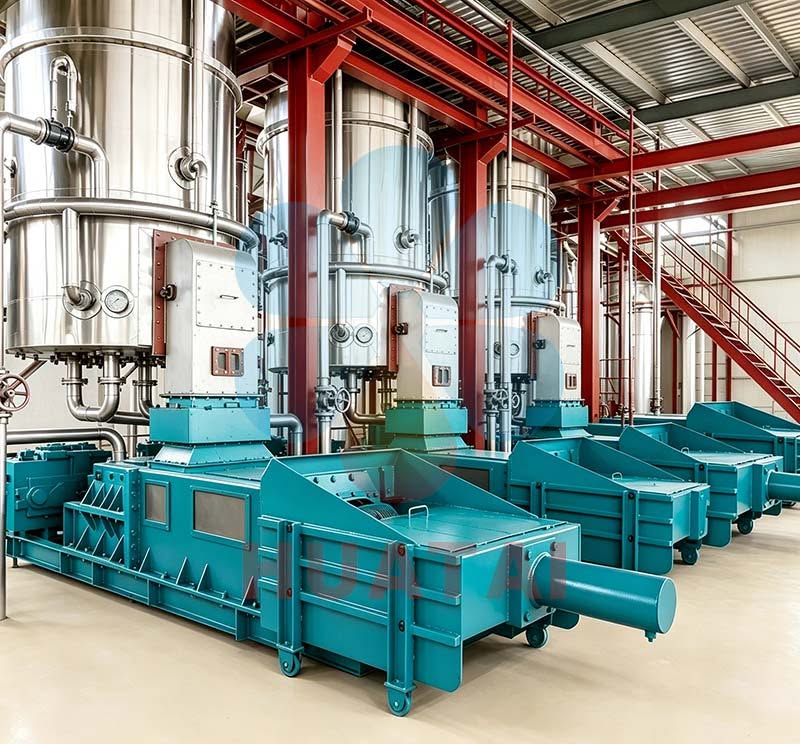
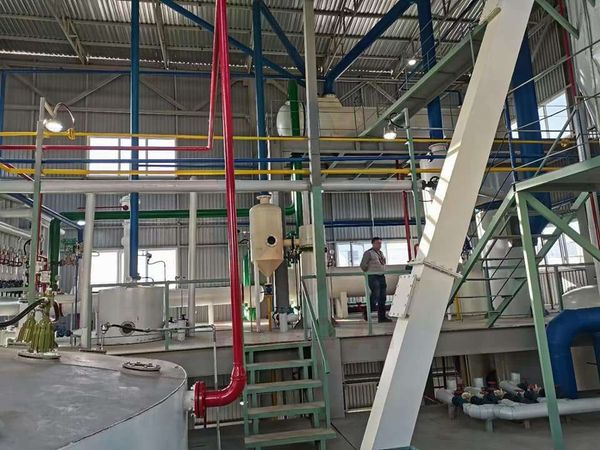
Establishing a small-scale rapeseed oil processing plant requires the installation of a complete set of edible oil processing production line equipment. Unlike simple, rudimentary oil pressing workshops, edible oil produced by a formal cooking oil processing plant must meet national standards and be eligible for labeled retail sale; consequently, the equipment configuration is far more systematic and comprehensive. The primary equipment can be categorized into four core stages: raw material pretreatment, pressing, refining, and bottling/filling.
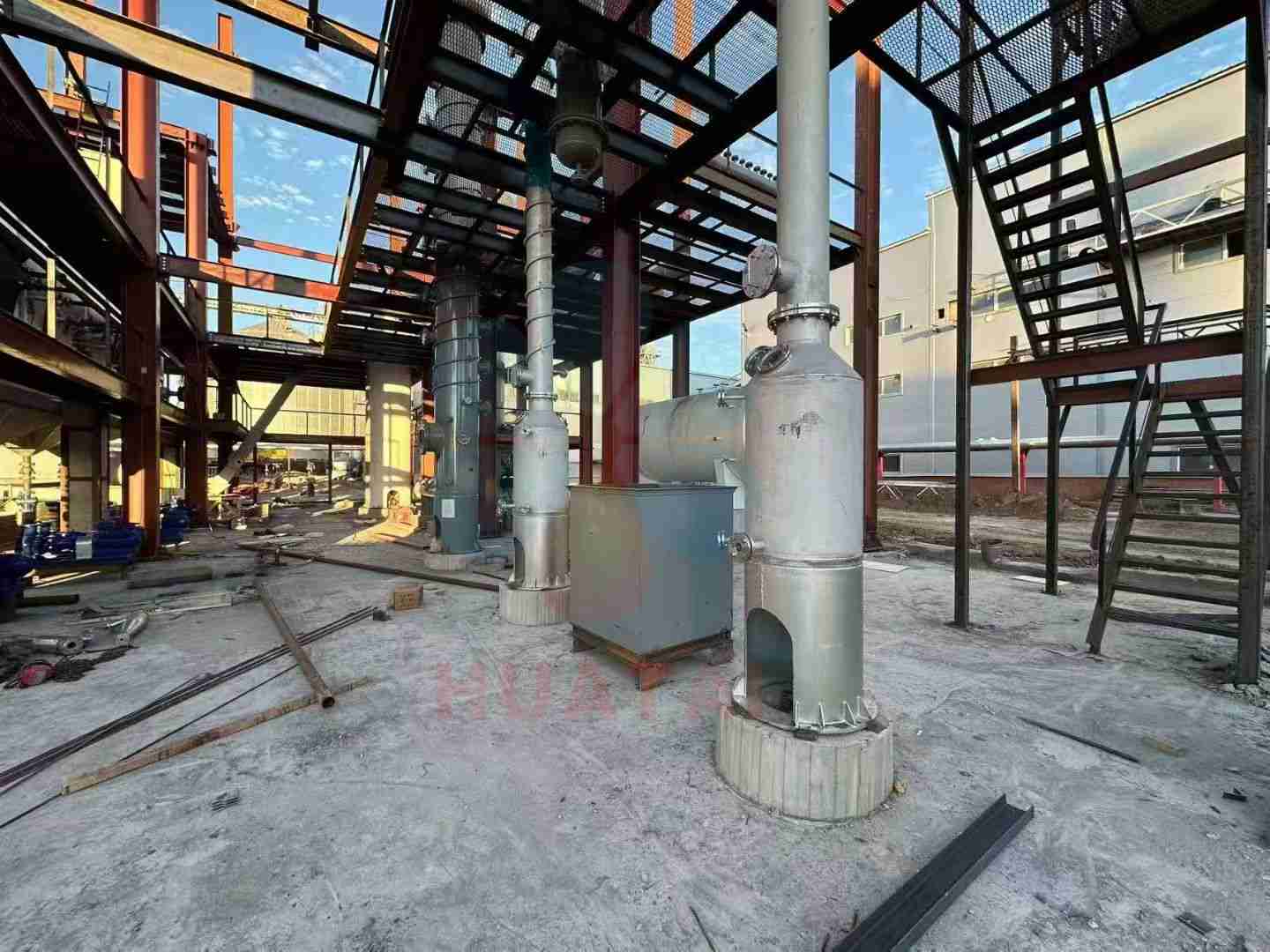
1. Raw Material Pretreatment Equipment
The initial step in rapeseed oil production involves cleaning and pretreating the raw materials. This stage aims to remove impurities—such as soil, sand, stones, stems, and leaves—from the rapeseed. Furthermore, processes such as flaking and steaming/roasting are employed to alter the physical form of the seeds and regulate their temperature and moisture content, thereby creating optimal conditions for the subsequent pressing stage. Commonly used equipment includes vibrating cleaning screens, destoners, dust collectors, magnetic separators, flaking machines, and steaming/roasting pans. The specific configuration of this equipment is determined based on the rapeseed oil processing plant's production capacity, available site space, and specific process requirements.
2. Rapeseed Oil Presses
The oil press is the core piece of equipment for extracting crude oil. Small-scale rapeseed oil processing plants primarily utilize two types of presses: screw oil presses and hydraulic oil presses.
Screw Oil Presses: These machines rely on an electric motor to drive a rotating screw shaft, which extracts the oil from the oil-bearing seeds through continuous mechanical extrusion. Their key characteristics include high processing capacity, the ability to operate continuously, and relatively low labor intensity. They are well-suited for processing oilseeds with relatively low oil content—such as rapeseed—and are typically more economically affordable. However, the pressing process may generate a significant amount of heat, which can potentially impact the flavor and nutritional integrity of the resulting oil.
Hydraulic Oil Presses: These machines utilize a hydraulic system to generate immense pressure, thereby extracting the oil slowly and uniformly. This method involves lower pressing temperatures, which helps to better preserve the nutritional components within the oil. The resulting crude oil is of high quality and contains fewer impurities, making this method particularly suitable for applications where high oil quality is a critical requirement. However, their operation is intermittent (batch-based), requiring manual loading of seeds and unloading of the oil cake; consequently, they exhibit lower production efficiency, have a smaller processing capacity, and entail higher labor intensity. The selection of an oil press requires a comprehensive assessment of factors such as target output, the desired quality standard for the finished oil, and the available investment budget.
3. Rapeseed Oil Refining Equipment
Refining is the critical stage that determines the final quality of the finished oil. The crude oil obtained through pressing contains impurities—such as gums, free fatty acids, pigments, and off-flavors—and must undergo refining treatment to meet national standards for Grade I or Grade II edible oils. Rapeseed oil refining equipment typically comprises a complete set of units designed to execute key processes, including degumming, deacidification, dehydration, decolorization, and deodorization. Certain types of oils may also require an additional dewaxing treatment. This specific stage directly impacts the finished oil's safety for consumption, color, flavor, and storage stability.
4. Rapeseed Oil Bottling and Packaging Line
Once refined and certified as meeting quality standards, the finished oil proceeds to the packaging stage. The bottling and packaging line is responsible for accurately dispensing the oil into various containers—such as bottles or drums—and completing subsequent processes, including capping, labeling, date coding, and boxing. This equipment component can be supplied as a package by the oil processing machinery manufacturer, or it may be independently sourced and configured from the open market.
In summary, the equipment configuration for a small-scale rapeseed oil processing plant must encompass the entire workflow, ranging from raw material cleaning to the final bottling of the finished product. Among these components, the selection of the rapeseed oil press directly influences the production mode and the characteristics of the crude oil, while the rapeseed oil refining equipment serves as the core element for ensuring the product meets commercial market standards. The specific specifications, models, and combination schemes for the equipment should be custom-designed based on the plant's daily processing capacity, target product grade, facility conditions, and investment scale.
If you are considering investing in a rapeseed oil production line, we invite you to consult with Henan Huatai Cereals and Oils Machinery Co., Ltd. Based on your specific circumstances, we offer a comprehensive suite of services—including design, customization, installation, commissioning, and operator training—to help your oil plant quickly commence operations and produce healthy, standard-compliant edible oils.
Website: https://www.oilpresscn.com/
Email: info06@cnoilmachine.com