
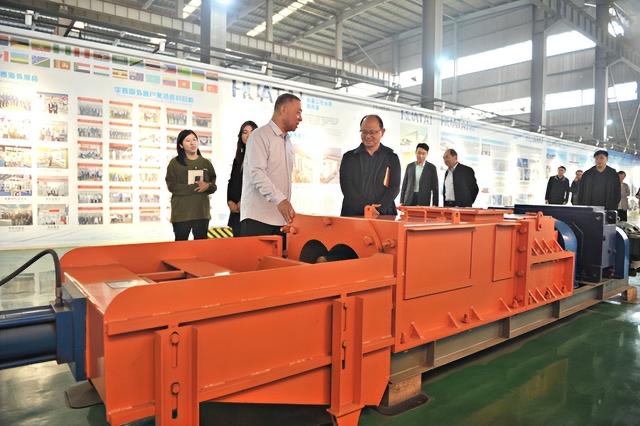


Nigeria was once the world's largest producer of palm oil, and today, this industry is experiencing a golden opportunity for resurgence. With increasing government policy support, continuously growing market demand, and the constant upgrading of processing technologies, establishing a palm oil business in Nigeria has become a highly promising investment avenue. This article will provide a detailed breakdown of how to successfully set up a palm oil business in Nigeria, with a particular focus on how to leverage the advanced palm oil equipment and technical support provided by Henan Huatai Cereals and Oils Machinery Co., Ltd. to achieve efficient and sustainable palm oil production.
1. Why Choose the Palm Oil Business in Nigeria?
1) Immense Market Potential
Nigeria's annual palm oil imports amount to approximately $600 million, with large quantities imported from countries such as Malaysia and Indonesia. This reliance on imports not only drains significant foreign exchange reserves but also signifies a massive supply deficit within the local market. According to an analysis by the National Palm Produce Association of Nigeria (NPPAN), fully realizing the potential of the palm oil industry could generate an annual economic value exceeding 20 trillion Naira for Nigeria.
2) Strong Government Policy Support
The Nigerian government is actively promoting the development of the palm oil industry and has introduced a series of supportive policies: Investment Initiatives, Industry Funds, Financial Support.
3) Favorable Natural Conditions
The southern regions of Nigeria possess a tropical climate and soil conditions ideally suited for oil palm cultivation; indeed, 30 states across the country hold a comparative advantage in palm oil production. This natural endowment provides a solid foundation of raw materials for palm oil businesses.
2. Two Primary Models for a Palm Oil Business
When establishing a palm oil business in Nigeria, there are two main entry models to consider:
Model 1: Small-Scale Cultivation + Processing
For entrepreneurs with limited capital, starting with a family-farm-based model is a viable option. The advantages of this model include:
Low initial investment
Utilization of family labor
Relatively controllable risks
Model 2: Professional Palm Oil Processing Plant Model
If you wish to enter the market rapidly and generate higher returns, establishing a professional palm oil processing plant is the superior choice. Studies indicate that palm oil processing enterprises utilizing modern processing technologies can achieve net profits exceeding three times those of traditional methods. Furthermore, the Benefit-Cost Ratio (BCR) reaches 1.5—significantly higher than the 1.25 associated with traditional methods.
3. Core Equipment Selection: Why Choose Henan Huatai Cereals and Oils Machinery Co., Ltd.?
The core of palm oil processing lies in its equipment. As a leading enterprise in China's grain and oil machinery industry, Henan Huatai Cereals and Oils Machinery Co., Ltd. provides the Nigerian market with comprehensive solutions, ranging from standalone machines to complete production lines.
1) A Full Range of Products Suitable for Various Scales
Henan Huatai offers equipment with a wide spectrum of processing capacities, providing customized solutions to meet the specific needs of investors at every stage of development.
2) Advanced Technological Advantages
Henan Huatai's palm oil processing equipment incorporates several innovative technologies:
Dual-screw hydraulic continuous discharge technology: Significantly boosts production efficiency.
Remote substation technology: More energy-efficient and enhances production output.
Comprehensive water treatment system: Ensures water and oil quality through processes involving sedimentation, filtration, and chemical dosing.
3) Comprehensive, One-Stop Value Chain Coverage
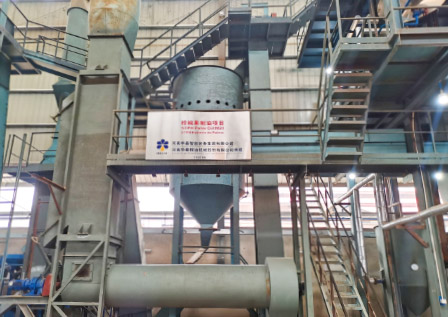
Henan Huatai provides complete palm oil production line solutions ranging from raw palm fruit to refined oil:
Palm Fruit Oil Processing Flow:
Fresh Fruit Bunches → Sterilization → Threshing → Digesting → Pressing → Clarification → Purification → Drying → Crude Palm Oil (CPO) → Refining → Bleaching → Deodorization → Refined Palm Oil (RBD) → Fractionation → Palm Olein & Palm Stearin
Palm Kernel Oil Processing Flow:
Palm Kernels → Shelling → Crushing → Pressing → Crude Palm Kernel Oil (CPKO) → Refining → Refined Palm Kernel Oil
This integrated palm oil mills design ensures the continuity of the palm oil production process and the stability of product quality.
4) Comprehensive After-Sales Service
Henan Huatai offers the following 8 service guarantees to its clients:
Timely supply of complete equipment sets and spare parts.
One-time installation, commissioning, and acceptance testing.
Priority access to new processing technologies and products.
Free technical training for personnel to ensure independent operation.
Deployment of experienced project managers and installation teams.
Responsibility for single-unit commissioning, integrated system commissioning, and trial runs with raw materials.
Free repair or replacement of components with quality defects during the warranty period.
Response within 48 hours, with personnel dispatched to the site to resolve issues within 72 hours.
4. Implementation Steps for Starting a Palm Oil Business
Step 1: Market Research and Site Selection
Select a location situated close to palm oil cultivation areas to minimize raw material transportation costs. It is recommended to prioritize traditional palm oil-producing regions such as Delta State, Edo State, and Osun State.
Step 2: Determining Business Scale and Equipment Selection
Select appropriate equipment specifications based on available capital and raw material supply conditions. Start-up enterprises are advised to begin with small-scale equipment (e.g., 500–1000 kg/h) and gradually expand operations once the business has stabilized.
Step 3: Company Registration and Licensing
Register your company with the Corporate Affairs Commission (CAC) and obtain the relevant permits for agricultural processing. It is advisable to join a local cooperative or farmers' association to access greater policy support.
Step 4: Palm Oil Mill Plant Construction and Equipment Procurement
Sign an equipment procurement contract with Henan Huatai; prepare the designated site, and the manufacturer will dispatch engineers to supervise the installation and commissioning process.
Step 5: Establishing a Raw Material Supply System
Sign long-term procurement agreements with local farmers in the surrounding area. Alternatively, establish your own oil palm plantation, to ensure a stable and consistent supply of raw materials.
Step 6: Personnel Training and Production Launch
Take advantage of the complimentary technical training provided by Henan Huatai to ensure that your operating staff are proficient in equipment operation and maintenance skills.
5. Risk Assessment and Mitigation Strategies
1) Key Challenges
Based on the practical experiences of palm oil processing enterprises in Nigeria, the primary limiting factors include:
High equipment costs (cited by 87.5% of respondents)
Insufficient capital
Outdated processing technologies
Competition from imported products
2) Mitigation Strategies
Equipment Issues: Select a supplier—such as Henan Huatai—that offers comprehensive after-sales services, thereby securing product warranties and long-term technical support.
Capital Issues: Actively apply for low-interest government loans or seek out strategic partners/investors.
Technical Issues: Fully utilize the technical training services provided by the equipment manufacturer.
Market Competition: Compete against imported products by offering high-quality goods and localized services.
6. Conclusion: Seizing the Historic Opportunity for the Revival of the Palm Oil Industry
Nigeria's palm oil industry is currently at a critical juncture of transformation and upgrading. Strong government support, immense market demand, and favorable natural conditions—combined with the robust backing of excellent equipment suppliers like Henan Huatai Cereals and Oils Machinery Co., Ltd.—have created a rare historical opportunity for investors.
Whether you intend to start with small-scale or plan to establish a modern, large-scale palm oil processing plant, now is the optimal time to enter this market. By selecting a reliable equipment partner and adopting advanced processing technologies, you can not only generate substantial economic returns but also contribute significantly to Nigeria's agricultural development and food security.
Website: https://www.oilpresscn.com/
Email: info06@cnoilmachine.com