

Soybean oil is one of the world's leading edible oils. Its processing relies primarily on the solvent extraction method, in which organic solvents are used to dissolve and extract the oil, yielding a mixed oil solution. Subsequently, by leveraging the difference in boiling points between the solvent and the oil, the solvent is evaporated and recovered, resulting in crude extracted soybean oil. Since soybeans naturally possess a relatively low oil content, the soybean oil solvent extraction process enables the thorough recovery of oil, thereby significantly boosting the overall oil yield. Furthermore, low-temperature extraction techniques minimize the degree of protein denaturation within the soybeans, yielding high-protein soybean meal suitable for applications such as animal feed processing or the extraction of soy protein isolates.

The quality of soybean oil directly impacts both consumer health and the product's market viability. Soybean oil quality is assessed based on key indicators such as color, odor, acid value, and residual solvent levels. During the soybean oil production process, the quality of the oil can be effectively controlled by focusing on the following four critical aspects:
1. Quality of Raw Soybeans
The quality of the oilseeds raw material serves as the fundamental determinant of the finished oil's quality. Mature, plump oilseeds yield a significantly higher oil output. Conversely, immature seeds contain appreciable levels of chlorophyll and free fatty acids; during the soybean oil extraction process, these substances can leach into the oil, compromising its quality, lowering its smoke point, and ultimately diminishing the overall quality of the finished product.
Additionally, the moisture content of the oilseeds is a crucial factor. Excessively high moisture levels within the seeds can trigger chemical reactions between internal proteins and carbohydrates under elevated temperatures, leading to the formation of new pigments. Consequently, rigorous management and quality control measures must be implemented throughout the harvesting, storage, and processing stages to safeguard the integrity and quality of the raw materials.
2. Softening Temperature and Moisture Content Prior to Extraction
Both the "softening" and "flake drying" stages constitute vital steps in the oil processing workflow. The primary objective of the softening process is to regulate the moisture content and temperature of the soybeans. This adjustment alters the beans' hardness and brittleness, endowing them with the optimal plasticity required to facilitate the rolling of high-quality, uniform flakes. If the moisture content during the softening process is too low, the rolled flakes will be small and brittle, lacking structural integrity and exhibiting excessive powderiness; during the mixed oil evaporation stage, this condition facilitates gelatinization, causing the oil color to darken. Conversely, if the softening moisture content is too high, the flakes become thin and sticky, prone to clumping and clogging the equipment, and remain brittle even after drying. Consequently, soybean oil production operations require precise control over both moisture and temperature to ensure the flakes possess appropriate strength and toughness; this prevents fragmentation during conveyance, facilitates superior solvent penetration during extraction, and ultimately results in a lighter-colored oil product.
3. Temperature of Crude Oil at the Evaporator Outlet
The pigments present in soybean oil include carotenoids and chlorophyll, as well as various other substances such as proteins, carbohydrates, gums, and phospholipids-specifically, the products resulting from their mutual interactions and the oxidation products of lipids. Due to the presence of γ-tocopherol in soybean oil, allowing the crude oil outlet temperature in the evaporator or stripping tower to reach 120°C triggers its oxidation, thereby deepening the color of the oil.
4. Operating Conditions for Deodorization and Drying
Deodorization and drying is a process designed to remove undesirable odors, residual solvents, and moisture from the oil through distillation under negative pressure conditions. The odor-causing substances found in the oil include unsaturated hydrocarbons, low-molecular-weight fatty acids, aldehydes, and ketones. Although these substances are present in the oil in minute quantities, they are sufficient to compromise the overall quality of the product. While these odor-causing substances possess diverse physical properties, they differ significantly from glycerides in terms of volatility; by leveraging the characteristic high volatility of these odoriferous compounds, distillation techniques can be effectively employed to remove them from the oil.
In summary, to produce high-quality soybean oil, it is essential to implement rigorous quality control measures for the raw soybean materials to ensure their integrity; maintain effective warehouse management; foster a strong sense of responsibility among operating personnel; strictly regulate the softening temperature and moisture content prior to extraction; stabilize the crude oil outlet temperature at the evaporator; and tighten control over the operating parameters for deodorization and drying. Only through the comprehensive implementation of these measures can the production of superior-quality soybean oil be successfully achieved.
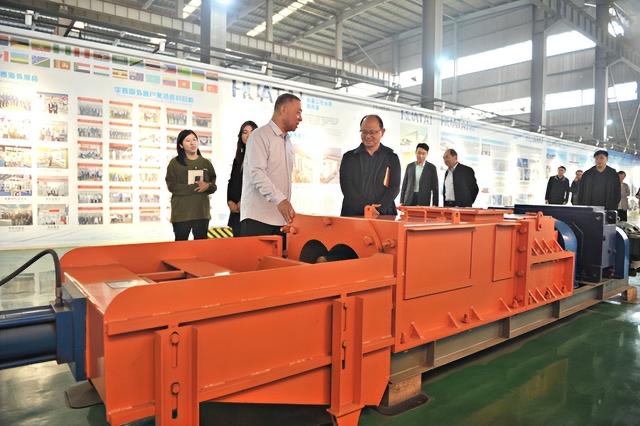
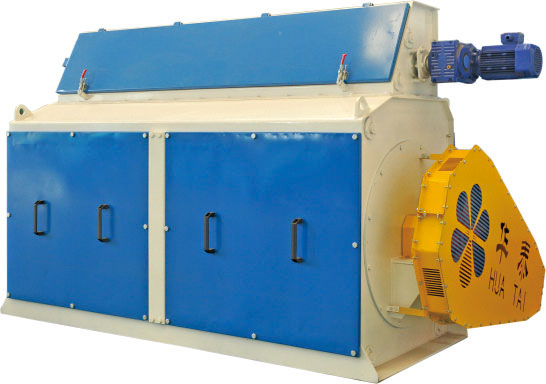
Huatai offers custom-tailored soybean oil extraction lines designed to meet your specific requirements. As a manufacturer operating our own physical facility, we are backed by a seasoned technical and production team. We possess mature technological expertise, a proven track record of successful projects, and extensive industry experience, enabling us to supply edible oil mills with high-quality equipment and robust, stable production processes. We provide complimentary services—including installation, commissioning, and personnel training—offering our clients a comprehensive, end-to-end service experience ranging from initial design through to final installation. If you have any equipment-related needs, we invite you to visit our factory:
Website: https://www.oilpresscn.com/
Email: info06@cnoilmachine.com