

Significant differences exist in the pressing processes and oil yields of various oilseeds, primarily due to key parameters such as raw material characteristics, pressing temperatures, and moisture control. Huatai outlines the differences in pressing processes and oil yields for three common oilseeds-peanuts, rapeseed, and sesame-below.
1. Peanuts have an oil content of approximately 40%–45%; they are soft-shelled crops with high oil viscosity and offer relatively low resistance during pressing. Before pressing, peanut kernels undergo pretreatment steps such as cleaning, shelling, crushing, flaking, and steaming/roasting, achieving an oil yield of 40%–50%. The oil is rich in monounsaturated fatty acids and has a high smoke point, making it suitable for frying.
2. Rapeseed is a medium-viscosity, hard-shelled crop that presents higher resistance during pressing. Pre-pressing treatments include impurity removal, shelling, flaking, and steaming/roasting. The oil yield ranges from 30% to 45%, and the oil contains over 90% unsaturated fatty acids-specifically linoleic acid and alpha-linolenic acid-which offer cardiovascular health benefits.
3. Sesame has a high oil content and is processed using diverse pressing methods. Hot pressing involves temperatures of 120°C–140°C, yielding over 50% oil, whereas cold pressing operates at ≤60°C, yielding approximately 40%–45%. Sesame requires cleaning and roasting or conditioning prior to pressing.
A comparison of the processing methods and oil yields for these three types of oilseeds follows:
1) Peanut oil: Hot pressing yields more oil and produces a rich aroma suitable for Chinese cooking; cold pressing preserves more nutrients but results in a slightly lower oil yield.
2) Rapeseed oil: "Double-low" rapeseed (low erucic acid and low glucosinolates) is suitable for cold pressing, which fully preserves nutrients; hot pressing offers higher oil yields but requires rapeseed oil refining to remove glucosinolates.
3) Sesame oil: Sesame oil is produced using the water-displacement method; while it boasts a rich aroma, the oil yield is low. In contrast, the screw-pressing method achieves an oil yield of 42%–48%, making it suitable for industrial-scale production.
From an economic perspective, although sesame offers a high oil yield, the raw material cost is relatively high. Peanuts offer a moderate yield and are easily sourced, resulting in lower overall costs. Rapeseed has a relatively lower yield but is grown over vast areas, making it ideal for large-scale production. When selecting oilseeds, one must consider factors such as oil yield, raw material costs, equipment investment, and market demand; different oilseeds suit different production scales and target markets.
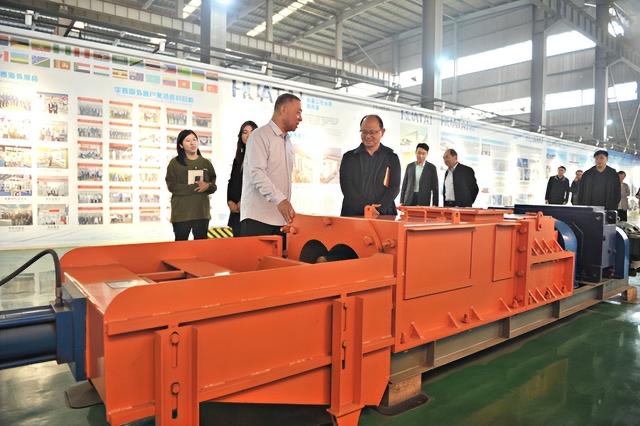
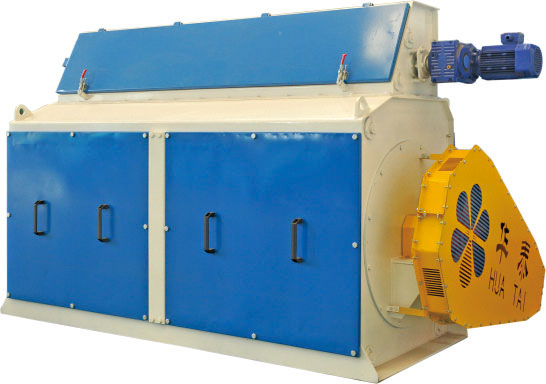
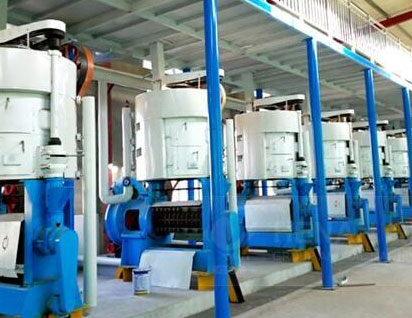
Henan Huatai Cereals & Oils Machinery Co., Ltd. provides equipment recommendations and customized solutions tailored to the specific production needs of each edible oil mill, offering a one-stop service for everything from raw material processing to finished oil bottling. Our equipment ensures stable operation and high efficiency; a single system can process multiple types of oilseeds, meeting the needs of mills that handle diverse raw materials. The edible oil production lines feature high levels of automation and ease of use, with the manufacturer providing free on-site installation, commissioning, and staff training. We offer comprehensive after-sales support, including a one-year warranty and long-term maintenance, ensuring peace of mind for oil mill operators. You are welcome to visit our factory in person or tour one of our partner oil mills nearby.
Website: https://www.oilpresscn.com/
Email: info06@cnoilmachine.com