

Peanut oil is deeply cherished by consumers for its rich aroma and high nutritional value. Have you ever wondered how plump, individual peanuts are transformed into drops of golden, translucent peanut oil? As consumer demand for edible oils evolves and quality standards continue to rise, understanding the industrial production process of peanut oil is essential—not only for consumers seeking high-quality products but also for oil processing enterprises looking to capitalize on industry opportunities. Drawing upon the technical expertise and industry experience of Henan Huatai Cereals and Oils Machinery Co., Ltd., this article provides a comprehensive breakdown of the peanut oil production workflow.
1. Main Production Routes for Peanut Oil
The industrial production of peanut oil is broadly categorized into two primary methods: the pressing method and the extraction method. The pressing method utilizes physical pressure to separate oil from peanut kernels, thereby maximizing the retention of the peanuts' natural flavor and nutritional components, resulting in a finished oil with a rich, intense aroma. The extraction method, conversely, employs solvent extraction to efficiently recover residual oil from the peanut cake; this method yields a higher oil recovery rate and is well-suited for large-scale production. In actual practice, many large-scale oil processing enterprises adopt a combined "pre-pressing and extraction" approach: peanut kernels are first pre-pressed to extract the majority of the oil, after which the resulting pre-pressed cake is subjected to solvent extraction. This hybrid method ensures high oil recovery efficiency while simultaneously preserving the oil's flavor and quality. Furthermore, the production of premium, "rich-aroma" peanut oil involves specialized processes—such as roasting, pressing, and low-temperature filtration—designed to fully unlock the peanuts' distinctive, intense fragrance.
2. Detailed Breakdown of the Groundnut Oil Production Process
Regardless of the specific production route chosen, the industrial manufacturing of peanut oil adheres to a rigorous and scientifically sound workflow. The following outlines the core stages involved in peanut oil production:
Step 1: Raw Material Pre-treatment—Cleaning, Crushing, and Shelling
Before entering the groundnut oil production line, raw peanuts undergo a strict cleaning process to remove impurities such as stones, soil, and moldy kernels. This step is critically important, as it directly impacts the safety and quality of the finished oil. Subsequently, the peanuts undergo crushing and shelling to separate the kernels from their shells, thereby preparing the material for subsequent processing stages. The peanut oil production lines manufactured by Huatai Oil Machinery are equipped with advanced cleaning machinery during the pre-treatment phase, enabling the effective removal of impurities, stones, and other foreign objects to ensure the purity of the raw materials.
Step 2: Steaming and Roasting (or Seed Roasting) — Unleashing the Peanut Aroma
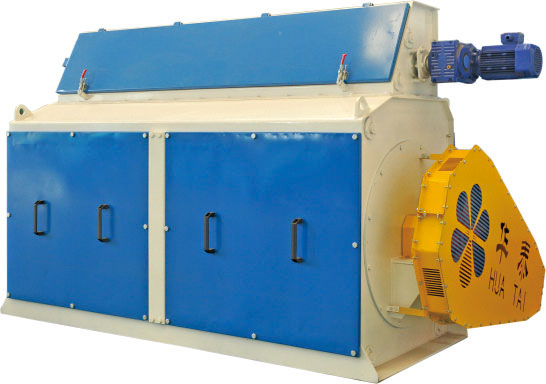
Steaming and roasting is a critical stage in peanut oil production; particularly for "rich-aroma" style peanut oil, the roasting process can be considered the very "soul" of the entire production line. Peanut kernels are tumbled and heated under specific temperature and time conditions; as moisture gradually evaporates, the cellular structure of the peanuts breaks down. This process not only facilitates the full release of the oil but also simultaneously unleashes a rich, intense aroma. Henan Huatai Cereals and Oils Machinery Co., Ltd.’s groundnut oil production lines employ precise temperature control and uniform roasting technologies, effectively bringing out the unique, rich fragrance inherent in peanuts—thereby laying a solid foundation for the production of high-quality, rich-aroma peanut oil.
Step 3: Pressing — Physical Extraction of Oil
The peanut material, having undergone pretreatment and the steaming/roasting process, is fed into an oil press for extraction. The pressing equipment utilizes mechanically transmitted pressure to squeeze the oil out of the oil-bearing material; the resulting peanut oil is referred to as "crude oil." The pressing process is broadly categorized into cold pressing and hot pressing; among these, the hot pressing method is widely adopted within the industry due to its higher oil yield and the rich aroma it imparts. In the oil extraction phase, manufacturers can select either pressing equipment or solvent extraction equipment based on their specific requirements. Pressing equipment, by utilizing physical extrusion technology, maximizes the retention of nutritional components—such as unsaturated fatty acids and Vitamin E—found in peanuts, resulting in a peanut oil with a mellow flavor and a rich, intense aroma.
Step 4: Solvent Extraction — Efficient Recovery of Residual Oil
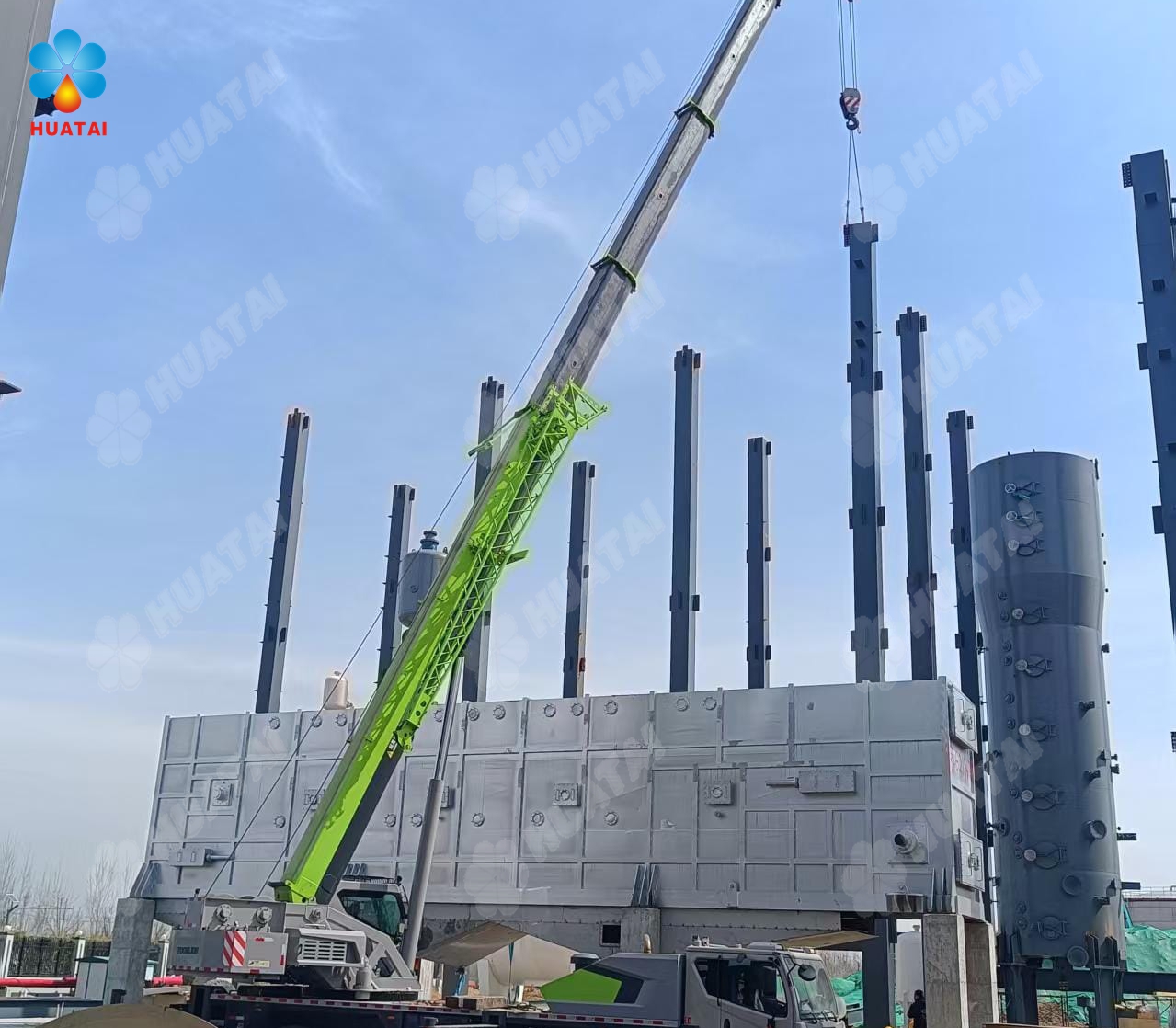
The peanut cake remaining after the initial pressing still retains a significant proportion of residual oil (approximately 12% to 14%). The solvent extraction process utilizes organic solvents (such as n-hexane) to extract the remaining oil from the cake meal. This method can achieve an oil recovery rate of up to 99%, while reducing the residual oil content in the cake meal to less than 1%, thereby significantly minimizing oil loss. Henan Huatai Oil Machinery's peanut oil solvent extraction equipment features high adaptability, low consumption of steam and solvents, and is outfitted with high-quality brand-name pumps and reducers, effectively reducing the rate of equipment failure within the workshop.
Step 5: Refining — Removing Impurities and Enhancing Quality to Produce Premium Oil
The crude oil obtained through either pressing or solvent extraction contains various impurities—such as phospholipids, free fatty acids, pigments, and off-flavors—and must undergo a refining process to meet national food safety standards. The refining process for peanut oil comprises four distinct stages: degumming, deacidification, decolorization, and deodorization-each designed to remove specific impurities. Degumming eliminates phospholipids and proteinaceous gums; deacidification removes free fatty acids; decolorization removes color pigments; and deodorization eliminates odor-causing substances. Henan Huatai's production lines are equipped with a multi-layered system of processes-including filtration, degumming, deacidification, decolorization, and deodorization-to ensure rigorous quality control at every step, thereby guaranteeing that the resulting aromatic peanut oil is crystal-clear in appearance and of exceptional quality.
Following these five steps of meticulous processing, the peanut oil is ready to be packaged as a finished product and delivered to consumers' tables.
3. Professional Equipment Assurance: The Core Strength of Huatai Oil Machinery
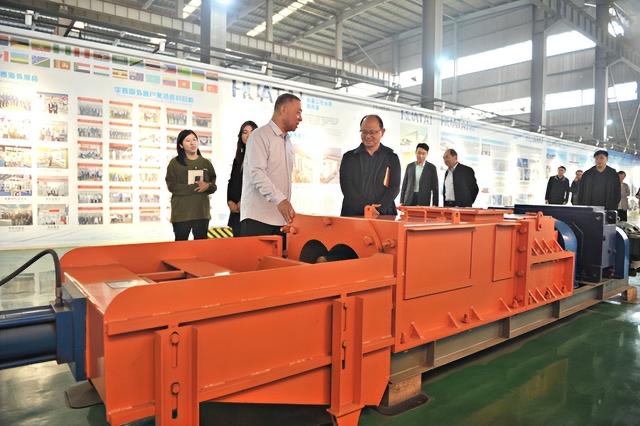
Producing high-quality peanut oil is impossible without professional, reliable oil processing equipment. Henan Huatai Cereals & Oils Machinery Co., Ltd. stands as a benchmark enterprise in this field, having dedicated over 38 years to deep specialization in grain and oil machinery.
Headquartered in the Advanced Manufacturing Development Zone of Hua County, Henan Province, the company occupies a sprawling 100,000-square-meter facility featuring 12 modern, intelligent equipment manufacturing workshops. Its business operations span the domestic market as well as over 70 countries and regions worldwide. The company has established a comprehensive product line covering the entire process—from oilseed pretreatment, pressing, and extraction to refining—offering global clients customized solutions ranging from standalone machines to fully intelligent edible oil production lines.
In the realm of peanut oil production equipment, Henan Huatai's fully automated production lines integrate intelligent control systems. A single line boasts a daily processing capacity of up to 1000 tons while reducing labor costs by 40%. For the production of aromatic peanut oil, the raw material pretreatment stage is equipped with advanced cleaning machinery, while the roasting stage utilizes precise temperature control and uniform agitation to fully unleash the peanuts' unique, rich aroma. Whether the requirement is for pressing equipment or extraction equipment, clients can select the most suitable options with complete flexibility based on their specific needs.
4. Conclusion
From raw material cleaning to the final packaging of the finished product, the creation of peanut oil is a sophisticated engineering endeavor that seamlessly blends traditional craftsmanship with modern technology. Behind every drop of high-quality peanut oil lies the indispensable foundation of scientific production processes and reliable equipment assurance. If you require further information regarding peanut oil production equipment, oil processing lines, or related technologies, welcome to visit us to obtain professional, customized solutions.
Website: https://www.oilpresscn.com/
Email: info06@cnoilmachine.com