
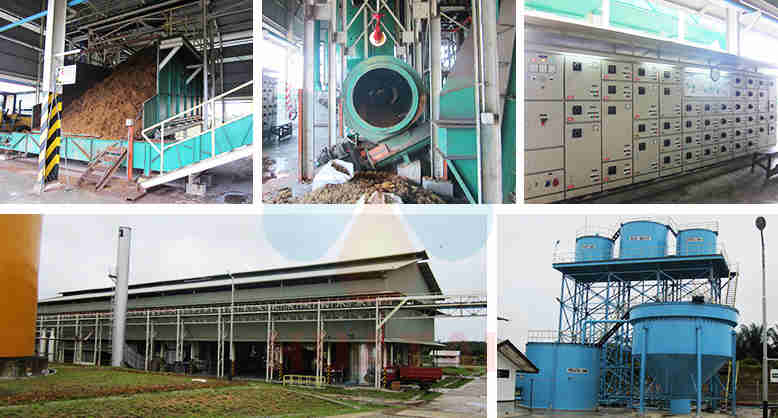
Corn oil—also known as corn germ oil—is a high-quality vegetable oil extracted from corn germ. Obtaining refined corn oil that is clear, transparent, and nutritionally stable from corn germ requires navigating a complex and precise technological chain. This article will systematically introduce the entire processing workflow and core equipment involved in corn oil production, a benchmark industry leader-Henan Huatai Cereals and Oils Machinery Co., Ltd. analyzes the technical pathways of modern corn oil manufacturing for you.
1. Main Processing for Corn Oil
Currently, corn oil production primarily employs the "Pre-pressing and Extraction Method." This process is suitable for large-scale production and offers the dual advantages of high oil yield and a high degree of automation. The overall process workflow can be divided into three major sections: Pre-treatment and Pressing; Extraction; and Refining.
The complete processing route is as follows: Corn Germ → Screening & Magnetic Separation → Softening → Flaking → Cooking → Pre-pressing → Extraction → Crude Oil → Degumming → Deacidification → Dehydration & Decolorization → Filtration → Deodorization → Dewaxing → Refined Corn Oil.
2. Pre-treatment and Pressing Section: From Raw Material to Initial Crude Oil
Pre-treatment serves as the first critical gateway in corn oil processing, directly determining the oil extraction efficiency of subsequent stages as well as the quality of the final product.
1) Cleaning and Impurity Removal
Corn germ is often mixed with impurities such as corn flour, husks, dust, pebbles, and magnetic metal fragments. The cleaning stage utilizes equipment such as vibrating screens and magnetic separators to remove these foreign objects, thereby protecting subsequent machinery and ensuring the purity of the oil.
2) Softening and Flaking
After cleaning, the corn germ enters a softening pot to regulate its moisture content and temperature. This process renders the germ tissue pliable, improves its plasticity, and minimizes dust generation during the subsequent flaking stage. Subsequently, the softened germ is passed through a flaking machine to be pressed into thin flakes (0.3–0.4 mm in thickness); this action thoroughly ruptures the cellular structure, making it easier for the oil to be released during the corn oil pressing and extraction process.
3) Steaming and Cooking
After flaking, the prepared flakes enter a steaming and cooking pot for heating and roasting. This process lasts approximately 40 to 50 minutes, causing the flakes to gradually turn reddish-brown and emit a distinct aroma. At this stage, the temperature of the flakes reaches approximately 115–120°C, and their moisture content drops to between 2% and 4%. The objective of steaming and cooking is to utilize high temperatures to facilitate the release of oil from the plant cells while simultaneously enhancing the flavor profile of the resulting oil.
4) Pressing (Pre-pressing)
The steamed and cooked flakes are fed into a screw press for mechanical extraction. During the corn oil pressing process, the rotation of the screw shaft generates immense pressure, squeezing the oil out of the corn germ to yield a portion of crude oil and corn germ cake. The resulting cake retains a residual oil content of approximately 5% to 6%, necessitating further processing in the extraction section to recover the remaining oil.
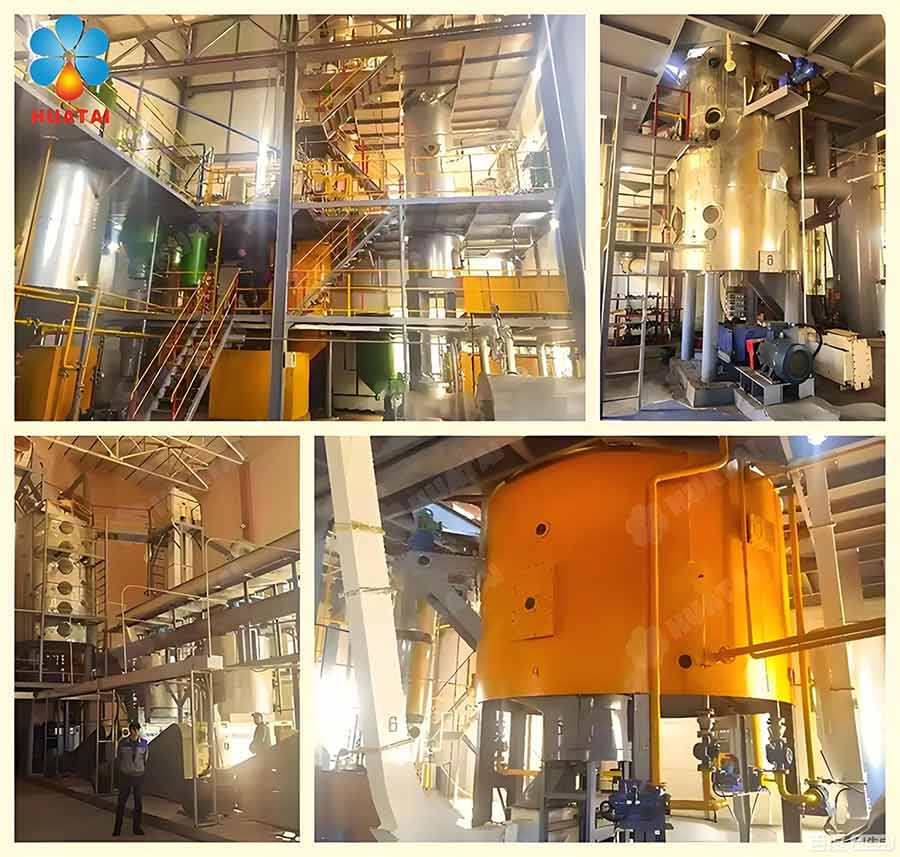
Within the corn oil pretreatment and pressing sections, Henan Huatai Cereals and Oils Machinery Co., Ltd. has developed specialized pretreatment equipment. This equipment is specifically optimized to address the unique characteristics of corn germ—namely, its high oil content and tendency to become sticky—thereby ensuring a germ breakage rate of less than 3% and boosting pressing efficiency by 30%.
3. Extraction Section: Achieving High Oil Yields via Solvent Extraction
The core principle of the corn oil extraction section involves using organic solvents (such as n-hexane) to "wash" the residual oil out of the pressed cake. Through thorough contact between the solvent and the oil, the residual oil content in the meal is reduced to less than 1%, thereby significantly maximizing the comprehensive utilization rate of the raw materials.
The key equipment involved in the corn oil extraction process includes the extractor, desolventizer-toaster-dryer-cooler (DTDC), evaporator, stripping tower, condenser, and absorption tower. The basic workflow is as follows: the pressed cake is conveyed via a scraper conveyor into the extractor, where it is repeatedly sprayed with solvent to extract the oil, forming a "miscella" (a mixture of oil and solvent). The wet meal is then processed through the DTDC to remove the solvent, yielding protein-rich animal feed. Finally, the miscella passes through the evaporator and stripping tower to remove the solvent, resulting in the production of extracted crude oil.
4. Refining Section: From Crude Oil to Refined Grade-One Oil
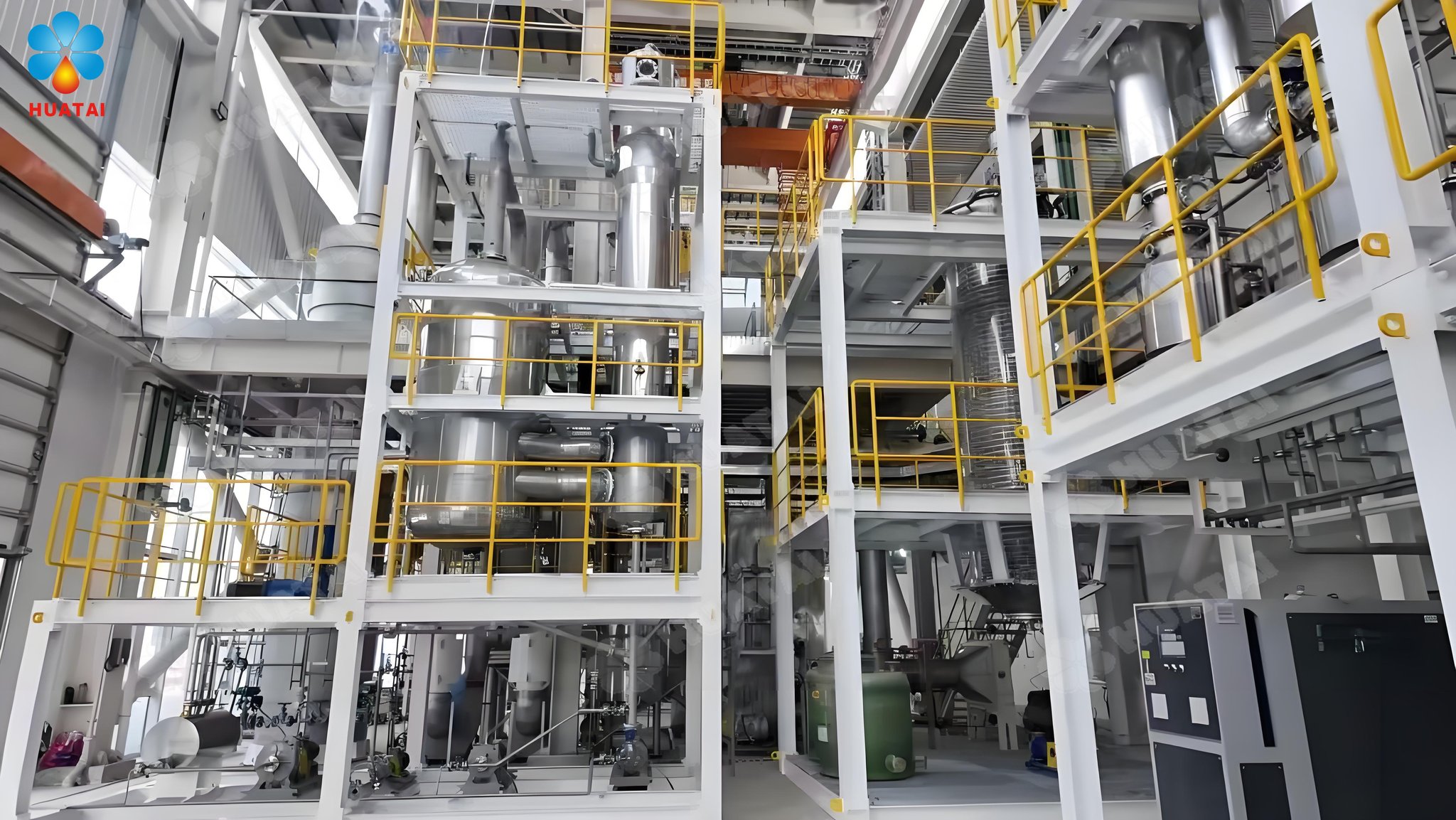
Crude corn oil typically appears brownish-yellow and contains various impurities—including gums, free fatty acids, pigments, waxes, and odor-causing substances—rendering it unsuitable for direct human consumption. The corn oil refining process involves systematically removing these impurities from crude oil, thereby ensuring the finished oil meets the national Grade 1 standard for edible oils. Modern corn oil refining typically employs a core "four-step method": degumming → deacidification → decolorization → deodorization, with a dewaxing step added as needed.
Henan Huatai's corn oil refining production lines encompass equipment for the entire process—including hydration, alkali refining, decolorization, deodorization, and dewaxing—helping clients produce high-quality corn oil that complies with national Grade 1 edible oil standards. As one of the critical steps in corn oil refining, dewaxing constitutes a vital component of Huatai's product portfolio.
5. Henan Huatai: A Comprehensive Solution Provider for Corn Oil Processing
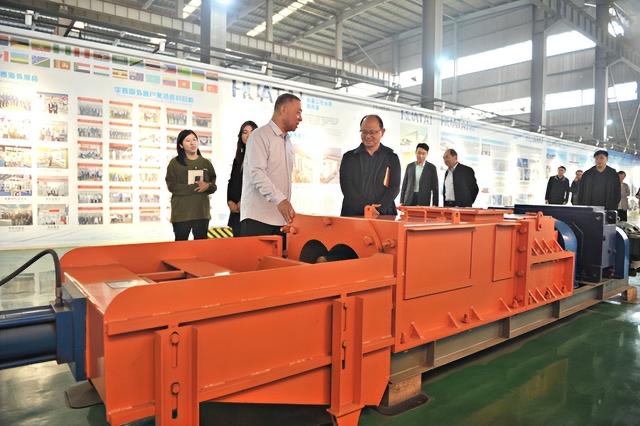
Established in 1988, Henan Huatai Cereals and Oils Machinery Co., Ltd. is a large-scale enterprise integrating R&D, design, manufacturing, installation, and after-sales service for grain and oil machinery. In the field of corn oil processing equipment, Huatai's technical prowess is primarily demonstrated in three key areas:
Technical R&D Capabilities: The company has accumulated numerous patented technologies. Its proprietary key technology for low-temperature cold-pressed corn oil production was recognized with a Science and Technology Progress Award.
Full-Chain "Turnkey" Services: The company operates a 100,000-square-meter intelligent manufacturing base, enabling it to provide clients with one-stop EPC (Engineering, Procurement, and Construction) services—ranging from solution design, equipment manufacturing, and installation/commissioning to full-scale production operations.
Extensive Project Experience: Huatai has customized corn oil production lines with a daily processing capacity of 50 tons to meet specific client requirements; these lines feature comprehensive equipment covering the entire workflow, including raw material cleaning, crushing, softening, flaking, cooking, pressing, and refining.
Furthermore, Huatai offers one-stop, intelligent, and complete turnkey solutions for oil pretreatment, extraction, and refining processes, with daily processing capacities ranging from 10-5,000 tons. The company’s product and service network currently extends across more than 70 countries and regions worldwide.
6. Equipment Selection Recommendations
Selecting the appropriate corn oil processing equipment requires a comprehensive assessment of various factors, including raw material quality, target production capacity, finished product standards, and investment budget.
Small-Scale Oil Mills (Daily Processing Capacity: 1–20 tons): These operations may opt for a combination of cooking pots, oil presses, and batch-type refining equipment—an approach characterized by moderate investment requirements and operational flexibility.
Medium-scale Oil Mills (Daily processing capacity: 20–100 tons): We recommend equipping a corn oil pretreatment line, an extraction system, and semi-continuous refining equipment to achieve an optimal balance between production capacity and product quality.
Large-scale Oil Mills (Daily processing capacity: over 100 tons): We recommend a fully automated, integrated corn oil production line encompassing pretreatment, extraction, and refining to enable efficient, intelligent, and energy-saving large-scale production.
If you are currently planning a corn oil processing project, welcome to contact Henan Huatai Cereals and Oils Machinery Co., Ltd. to receive expert process solutions and equipment selection recommendations.
Webiste: https://www.oilpresscn.com/
Email: info06@cnoilmachine.com