
Flaxseed oil has emerged in recent years as one of the most popular niche edible oils. It is rich in alpha-linolenic acid-an essential unsaturated fatty acid for the human body-which plays a vital role in balancing dietary fatty acid profiles and maintaining overall health. In addition to its oil content, flaxseeds are abundant in protein, dietary fiber, and other beneficial components such as lignans and Vitamin E. Given its high nutritional value, flaxseed oil has gained significant recognition and acceptance among consumers. Consequently, driven by the growing trend toward healthy lifestyles, market demand for flaxseed oil is steadily on the rise.
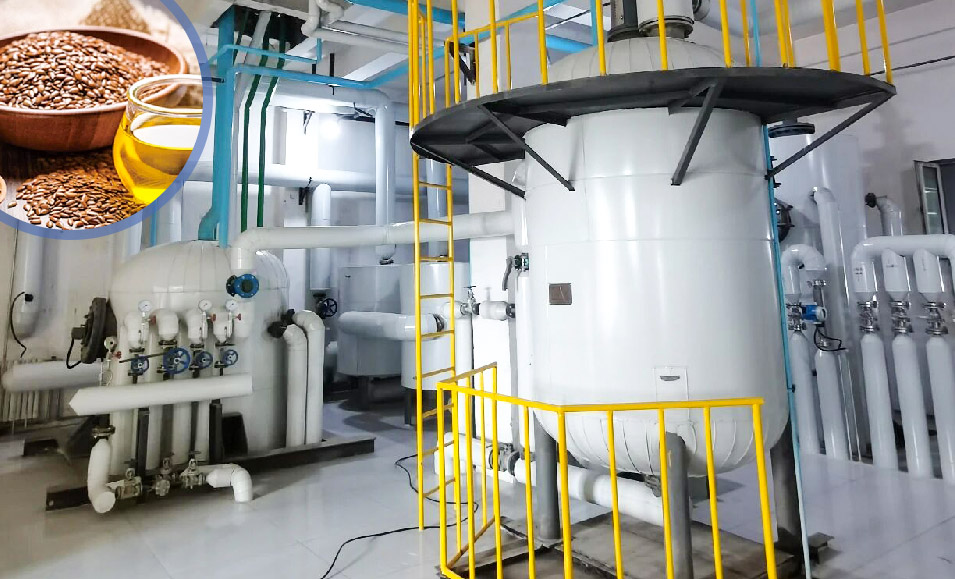
Flaxseed oil is typically categorized based on its processing method: pressed flaxseed oil and extracted flaxseed oil. The pressing method primarily relies on external mechanical force to physically squeeze and extract the oil from the seeds, whereas the extraction method utilizes the principles of solvent extraction to dissolve and separate the oil from the raw material. Different processing methods are suited to different manufacturers; Henan Huatai Cereals & Oils Machinery Co., Ltd. tailors solutions to meet the specific requirements of each oil mill, recommending the most appropriate processing techniques and equipment.
What Equipment Is Required for Flaxseed Oil Processing?
The specific equipment required for processing flaxseed oil varies depending on the flaxseed oil mill's production capacity. For small-scale oil workshops-which typically have limited output, space, and budget-purchasing core machinery such as oil presses, roasting pans, and filtration units is generally sufficient to meet production needs. If the budget permits, investing in a compact flaxseed oil refining unit can further enhance the quality of the finished flaxseed oil.
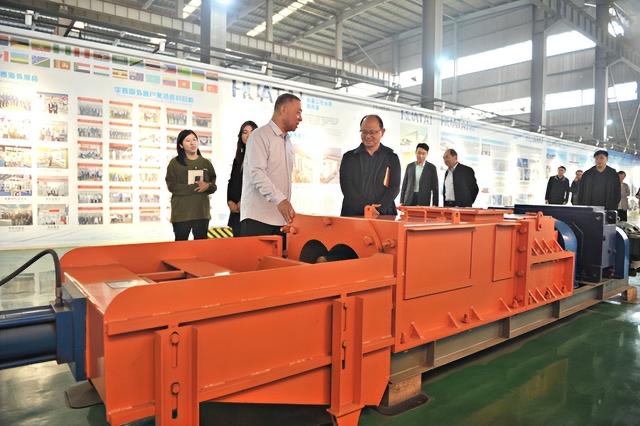
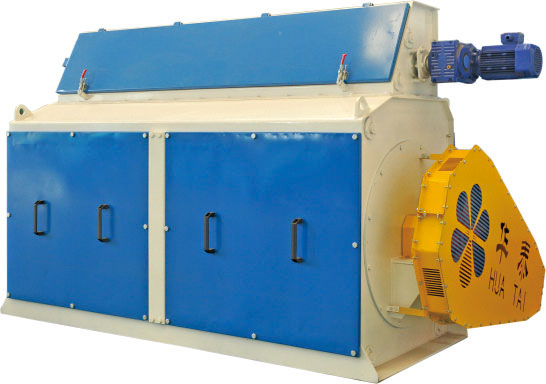
For small to medium-sized edible oil processing plants-which typically possess more ample space and budget, as well as specific production volume targets-a complete, integrated flaxseed oil production line is required. A comprehensive production line involves a series of pretreatment steps-including cleaning, destoning, flaking, and cooking-followed by mechanical pressing to extract the oil, resulting in crude pressed flaxseed oil.
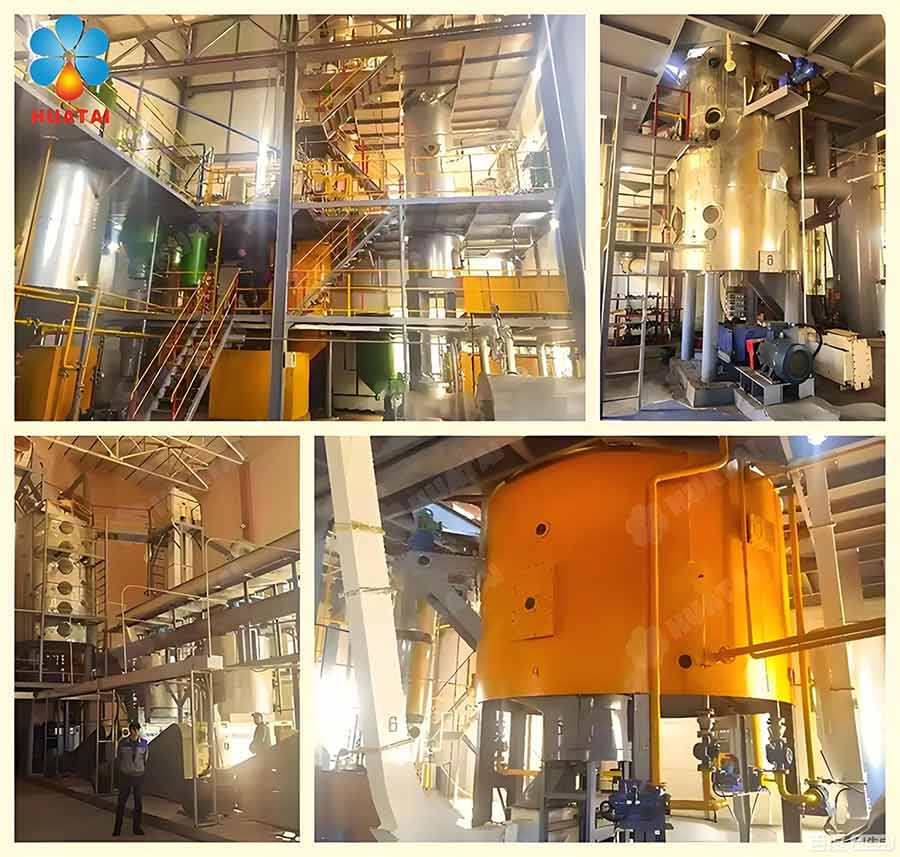
For large-scale edible oil processing plants with high production volumes, a combined process involving both mechanical pressing and solvent extraction can be employed. When flaxseed oil is extracted solely through mechanical pressing, the residual oil content in the resulting press cake remains relatively high. By adopting a "pre-pressing and solvent extraction" process, oil mills can not only obtain high-quality crude oil but also reduce the residual oil content in the flaxseed cake to as low as 1%. This significantly boosts the overall oil yield and improves the quality of the meal, thereby generating greater economic benefits for the oil mill. It should be noted that, in addition to pre-pressing machinery, the pre-pressing and solvent extraction process requires a complete set of solvent extraction equipment.
The flaxseed oil obtained from both of the aforementioned processes is classified as crude oil. To render it suitable for consumption or commercial use, the crude oil must undergo further processing using specialized flaxseed oil refining equipment. This refining process removes impurities from the crude oil, yielding a high-quality flaxseed oil that fully complies with national standards.
Beyond simply considering processing capacity, Huatai Oil Machinery takes into account various factors-such as the quality of the raw materials, the specific requirements for the finished oil product, and investment costs-to recommend the most cost-effective flaxseed oil extraction methods and processing equipment tailored to each client's needs. If you are interested in purchasing flaxseed oil processing equipment or have any questions regarding the processing techniques, we invite you to contact Huatai for a consultation.
Website: https://www.oilpresscn.com/
Email: info06@cnoilmachine.com