
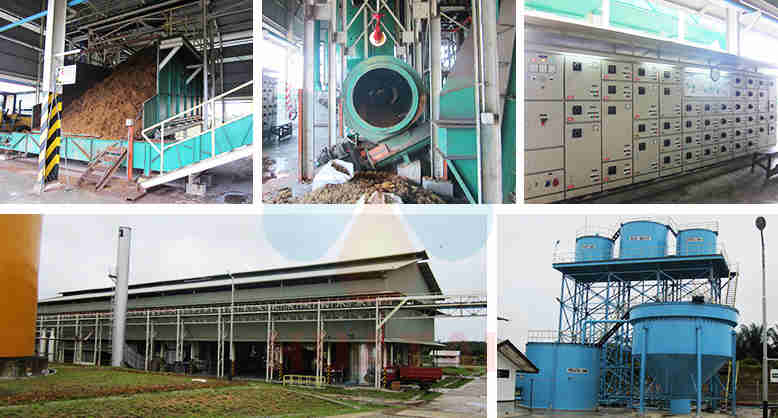
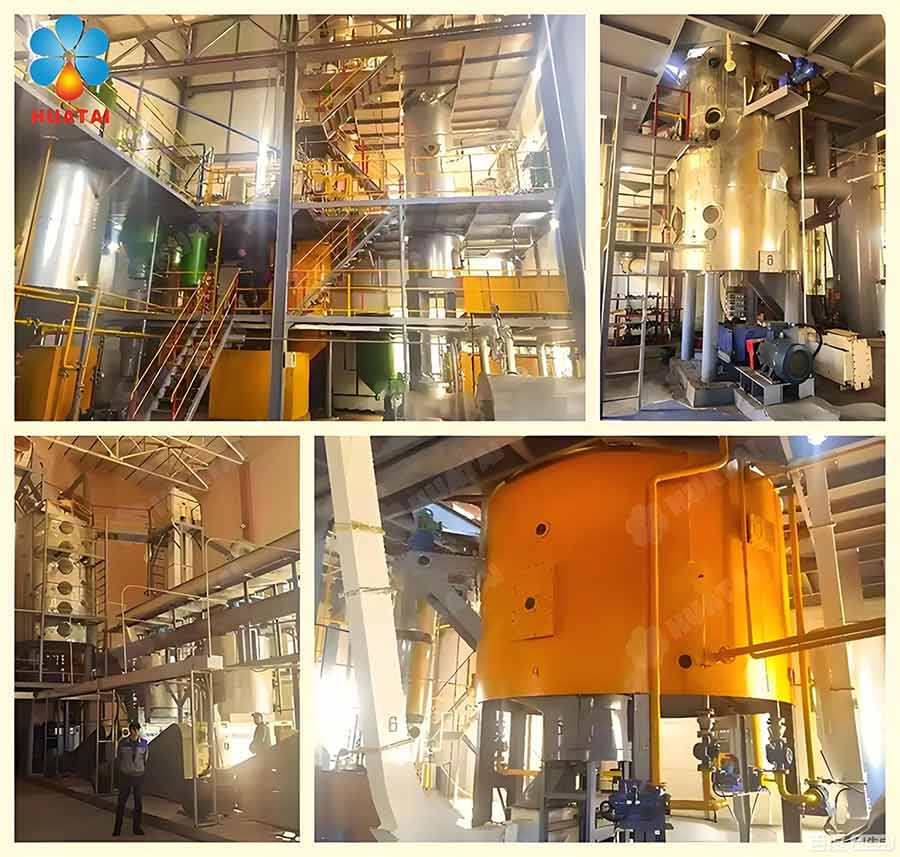
In the edible oil production sector, solvent extraction (also known as the extraction method) is a modern, highly efficient, and mainstream oil processing technique. Currently, over 80% of edible oil on the market is produced using this process. So, how exactly does solvent extraction work? And what outstanding achievements has the industry leader, Henan Huatai Cereals & Oils Machinery Co., Ltd., accomplished in this field? This article provides an in-depth analysis.
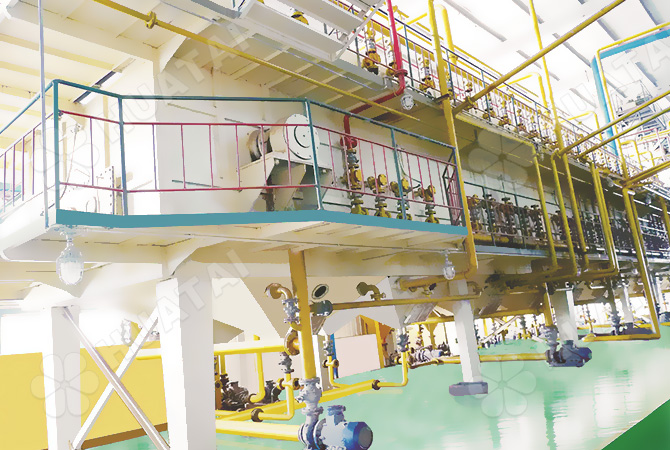
1. Definition and Basic Principles of Solvent Extraction
Solvent extraction is a modern oil processing technique that extracts oil from oil seeds materials by leveraging the mutual solubility of oils and organic solvents. The basic process is as follows: after the oil seeds material undergoes pretreatment-such as crushing, flaking, or expanding-it comes into full contact with an organic solvent (typically n-hexane) inside an extractor. Utilizing the principle of solid-liquid extraction, the oil dissolves into the solvent to form a "miscella" (a mixture of oil and solvent), which is then separated from the solid residue (meal). Subsequently, taking advantage of the difference in boiling points between the solvent and the oil, the solvent is vaporized and separated from the oil through evaporation and stripping, yielding crude extracted oil. Notably, the separated organic solvent can be recovered via condensation and recycled, making the process both economical and environmentally friendly.
2. Why Has Solvent Extraction Become the Mainstream Oil Processing Method?
Solvent extraction has become the dominant oil processing method worldwide primarily due to the following significant advantages:
1) Extremely High Oil Yield - Solvent extraction can reduce the residual oil content in the material to less than 1%. Taking soybeans as an example, the extraction method yields approximately 50% more oil than the mechanical pressing method, vastly improving raw material utilization.
2) Significant Economic Benefits - It features low processing costs and high production efficiency, making it ideal for large-scale industrial production.
3) High Value of By-products -The meal obtained after extraction (such as soybean meal) has low residual oil content and retains high protein quality. It serves as an excellent feed ingredient-suitable for extracting soy protein or manufacturing animal feed-thereby further enhancing the overall profitability of the soybean oil processing plant.
4) Mature Process Safety - Originating in France in 1843, the solvent extraction method boasts over a century of safe application history. Currently, in industrially developed nations, oils produced via solvent extraction account for more than 90% of total production.
3. Safety of Solvent Extraction - Addressing Consumer Concerns
Some consumers harbor concerns regarding the food safety of solvent-extracted oils, particularly regarding solvent residues. In response, the state has established clear regulations and strict standards.
In reality, n-hexane features a narrow boiling range and allows for the thorough volatilization of harmful substances. It preserves the nutritional components of vegetable oils by avoiding high-temperature damage and offers low solvent consumption and residue levels, facilitating industrial-scale production; these factors actually enhance the safety of the edible oil. The state has formulated rigorous quality and food safety standards for vegetable oil production, ensuring that consumers can safely consume any oil product that meets these national standards.
4. Complete Solvent Extraction Process Flow
The complete edible oil solvent extraction process comprises four major systems: the material flake extraction system, the wet meal desolventizing system, the mixed oil evaporation system, and the solvent recovery system.
Step 1: Raw Material Pre-treatment. Oil seeds materials (such as soybeans or rice bran) undergo cleaning, crushing, and flaking. Whole seeds are broken into small particles and pressed into flakes or expanded, allowing the solvent to penetrate fully.
Step 2: Solvent Soaking (Extraction). The prepared flakes enter the extractor, where they come into contact with and are soaked in organic solvents such as n-hexane. The solvent extracts and dissolves the oil, forming a "miscella." The extractor is the key piece of equipment for this step; high-efficiency units-such as the towline extractors and loop extractors manufactured by Huatai Oil Machinery-ensure uniform and thorough extraction.
Step 3: Mixed Oil Separation (Evaporation + Stripping). The mixed oil is heated, taking advantage of the fact that the solvent's boiling point is lower than that of the oil. Through processes including primary evaporation, secondary evaporation, and stripping, the solvent is vaporized and separated from the oil, yielding crude extracted oil.
Step 4: Solvent Recovery and Recycling. The vaporized solvent is condensed and recovered via a condenser, then routed to a solvent tank for recycling. The wet meal undergoes drying in a Desolventizer-Toaster-Dryer-Cooler (DTDC) to recover residual solvent. Solvent-laden exhaust gas is treated by an absorption system before discharge, ensuring compliance with environmental standards.
Step 5: Crude Oil Refining. The crude oil obtained from extraction undergoes further refining-including degumming, deacidification, bleaching, and deodorization-to meet national standards and become finished edible oil.
5. Henan Huatai Oil Machinery: A Leader in Solvent Extraction
1) Company Profile and Capabilities
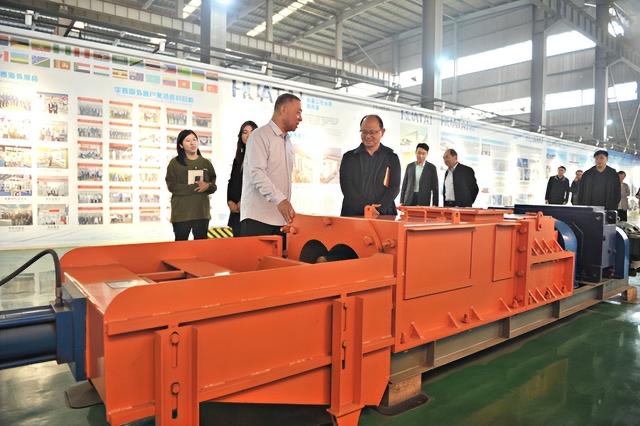
Henan Huatai Cereals & Oils Machinery Co., Ltd. was established in 1988 and boasts over 38 years of industry experience. Located in the Advanced Manufacturing Development Zone of Hua County, Henan Province, the company covers an area of 100,000 square meters, operates 12 modern intelligent production workshops, and employs a workforce of over 380 people.
2) Core Solvent Extraction Technology and Equipment
Huatai's independently developed core extraction equipment offers significant technical advantages, including:
Towline Extractor (Huatai Patent: ZL 2018 2 1882277.1): Material automatically turns over when moving from the upper layer to the lower layer, ensuring uniform and thorough extraction. This design allows for shorter extraction times, lower solvent content in the wet meal, and minimal residual oil. PLC intelligent control enables automated startup and shutdown.
Loop Extractor: Suitable for large-scale edible oil extraction plants. Material automatically turns over when transitioning from the curved section to the lower layer, ensuring uniform and thorough extraction. It results in low solvent content in the wet meal and residual oil levels of less than 1%.
Evaporation and Energy-Saving System: The evaporation system utilizes a combination of steam and mechanical vacuum technologies to reduce production costs and ensure crude oil quality. The DTDC incorporates a VRS (Vapor Recovery System) layer to effectively reduce residual solvent in the meal and lower overall solvent consumption. Integrated designs for condensate recovery and material heat exchange effectively minimize steam consumption.
Exhaust Gas Absorption System: An optimized absorption system effectively reduces solvent content in exhaust gases, protecting the environment while lowering production costs.
3) World-Class Processing Capacity and Export Capabilities
Huatai offers fully automated edible oil solvent extraction equipment suites with processing capacities ranging from 10 to 5,000 tons per day, suitable for a wide variety of oilseeds and crops-including soybeans, peanuts, rapeseed, rice bran, corn germ, sunflower seeds, and tea seeds. The company has established a comprehensive cooking oil product line covering the entire processing workflow-from oilseed pretreatment and pressing to solvent extraction and refining—and has served over 2,000 oil processing enterprises, with products exported to more than 70 countries and regions worldwide.
Conclusion
As a core technology in the modern edible oil industry, solvent extraction continues to contribute to global edible oil security and industry development through technological advancement and intelligent upgrades. As one of industry benchmark, Henan Huatai Cereals & Oils Machinery Co., Ltd. leverages its deep technical expertise, robust R&D capabilities, world-leading extraction equipment, and a global portfolio of engineering projects to drive the international expansion of Chinese grain and oil machinery. Looking ahead, Huatai will continue to prioritize technological innovation as its primary growth engine, enhance the global competitiveness of its equipment, and strive to become a trusted global provider of grain and oil machinery and solutions.
Website: https://www.oilpresscn.com/
Email: info06@cnoilmachine.com