
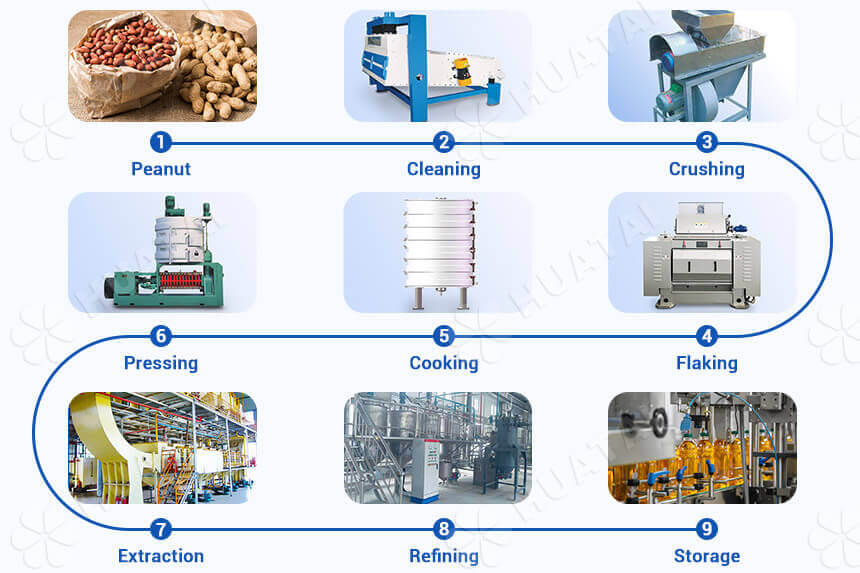
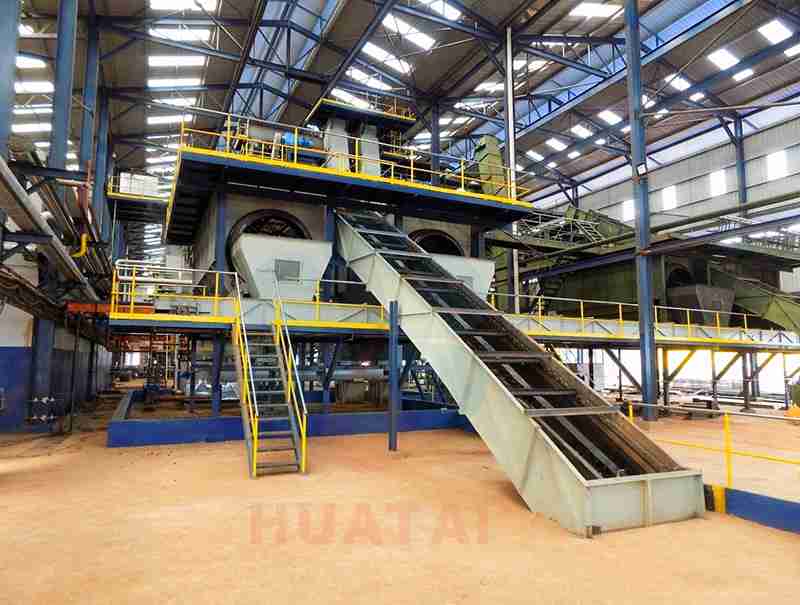
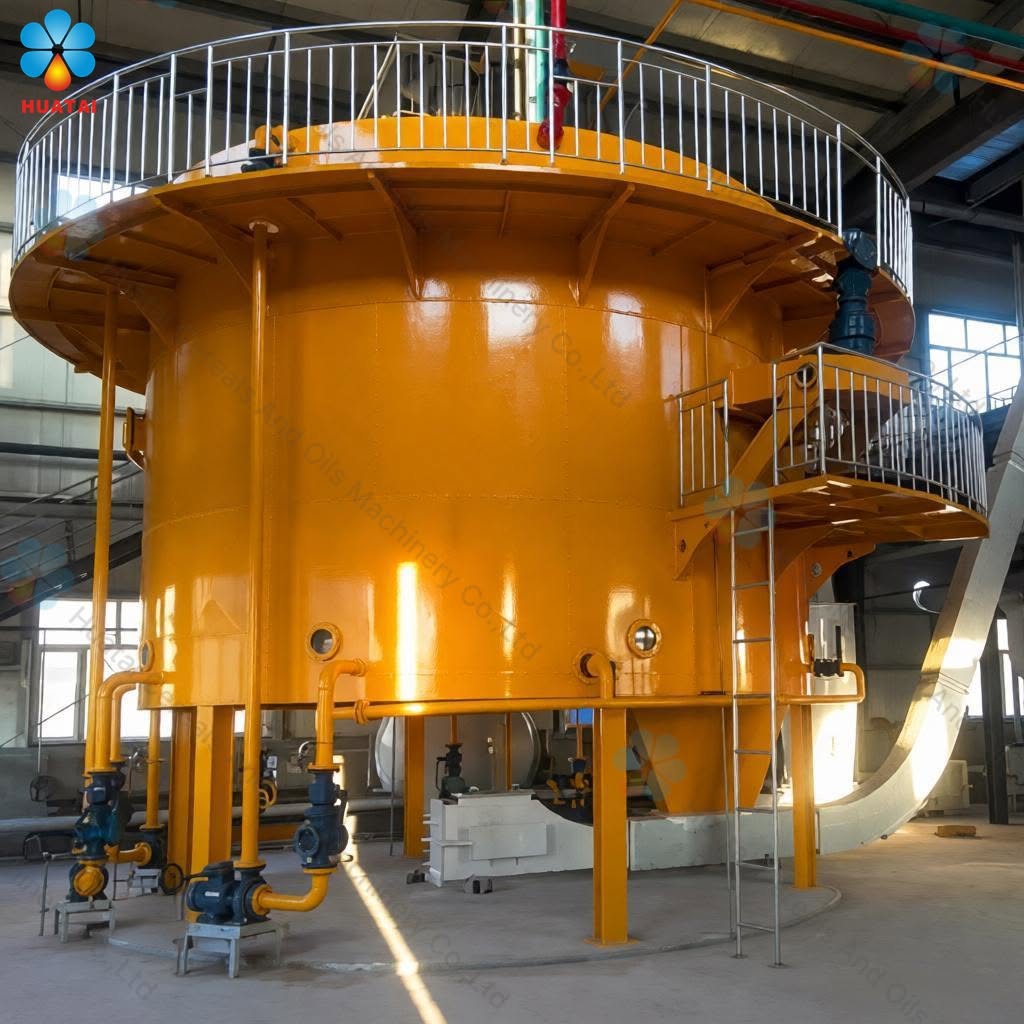
On supermarket shelves, edible oils appear clear, transparent, and pale in color. However, before becoming finished products, most of these oils begin as "crude oil"-cloudy, dark, and possessing unpleasant odors. The core process transforming crude oil into refined oil is edible oil refining. Refining affects not only the oil's visual appeal but also directly impacts food safety, the cooking experience, and shelf life. This article outlines the four key benefits of edible oil refining and, drawing on the technical expertise of Henan Huatai Cereals & Oils Machinery Co., Ltd. in the field of cooking oil refining equipment, analyzes how refining technology drives the upgrading of the edible oil industry.
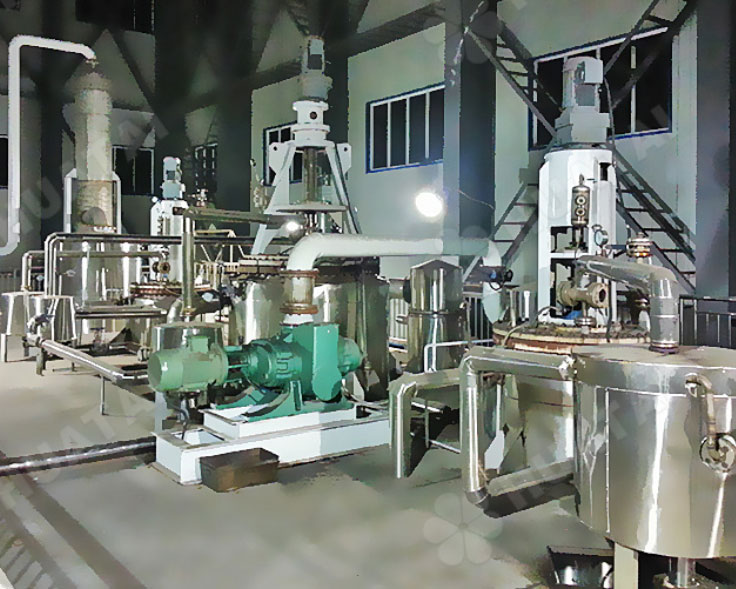
1. Removing Harmful Impurities to Bolster Food Safety
The fundamental benefit of edible oil refining is a significant improvement in safety for consumption. Whether obtained through pressing or solvent extraction, crude oil contains various impurities-such as phospholipids, free fatty acids, pigments, and odor-causing substances. If consumed without removal, these impurities can pose potential health risks.
The cooking oil refining process systematically eliminates these harmful components through four core stages: degumming, deacidification, bleaching (decolorization), and deodorization.
1) Degumming: Removes phospholipids and other gum-like impurities; oils with high phospholipid content tend to foam, smoke, and emit odors when heated, and can oxidize at high temperatures, turning a burnt brown color.
2) Deacidification: Removes free fatty acids to prevent oil rancidity.
3) Bleaching: Uses adsorption to remove pigments.
4) Deodorization: Uses high-temperature, high-vacuum distillation to remove odor-causing substances and residual solvents.
Through this series of treatments, harmful substances in the refined oil are reduced to safe levels, providing consumers with cooking oil they can trust.
Huatai Oil Machinery has specialized in cooking oil refining equipment for over 38 years. Its equipment employs advanced refining processes that combine physical and chemical methods to efficiently remove impurities and undesirable components from various types of oil. The company offers mature edible oil refining equipment solutions for every stage-degumming, deacidification, bleaching, and deodorization—meeting diverse needs ranging from laboratory R&D to industrial-scale mass production.
2. Extending Shelf Life: Ensuring Quality Oils Withstand Storage
Unrefined crude oil contains significant amounts of substances prone to oxidation, which accelerate the oil's rancidity process. Rancidity not only produces an unpleasant, acrid odor but also generates oxidation byproducts that are harmful to human health. Cooking oil refining extends the shelf life of edible oil significantly by removing these pro-oxidant components.
Refined edible oils exhibit markedly improved stability and a greatly extended shelf life. For instance, common refined soybean oil can remain stable for up to 18 months when stored in sealed, unopened containers. This is crucial for large-scale production, warehousing, transportation, and retail sales; without the refining process, achieving such a long shelf life for commercially packaged oils would be nearly impossible.
Huatai Oil Machinery's cooking oil refining equipment excels in extending shelf life. The company's fully continuous vegetable oil refining production lines boast a daily processing capacity of up to 500 tons per line. By utilizing precise temperature control and intelligent regulation technologies, the equipment efficiently removes pro-oxidant impurities, effectively ensuring the oxidative stability of the finished oil. Furthermore, through optimized heat exchange systems and waste heat recovery technology, the equipment reduces energy consumption by over 15% compared to traditional models, achieving energy savings while maintaining oil quality.
3. Raising the Smoke Point
Refining significantly raises the smoke point of edible oil-the temperature at which the oil begins to smoke continuously when heated.
Typically, crude soybean or rapeseed oil begins to smoke heavily at around 150°C, whereas the smoke point of refined oil can be raised to over 210°C. A higher smoke point means the oil is more stable at high temperatures and less prone to decomposing into harmful substances; this results in less smoke during cooking and a cleaner kitchen environment. Huatai Oil Machinery's continuous vegetable oil refining lines employ advanced technology to raise the finished oil's smoke point to over 230°C, fully meeting national standards for edible oils.
4. Improving Appearance and Flavor
Refining also brings about comprehensive improvements in the appearance and flavor of edible oil. Through the bleaching (decolorization) process, the oil transforms from a dark hue to a clear, transparent state; through the deodorization process, unpleasant odors-such as the raw, grassy smell often found in crude oil-are eliminated. The resulting refined oil boasts a clear color, a pure taste, and a rich, aromatic flavor when used in cooking. Huatai Oil Machinery's vegetable oil refining equipment employs advanced adsorption and vacuum steam deodorization technologies during the decolorization and deodorization stages, ensuring the finished oil meets high-quality standards for color and flavor. The company's high-end edible oil production lines can also incorporate a dewaxing process, elevating the oil quality far beyond national standards.
Conclusion: Refining-the Essential Path to Quality Oil
Edible oil refining is by no means "over-processing"; rather, it is a necessary process for ensuring food safety and enhancing oil quality. It plays an irreplaceable role in removing harmful impurities, extending shelf life, raising the smoke point, and improving appearance and flavor, thereby providing millions of households with safe, stable, and high-quality cooking oil.
A dedicated player in this field, Henan Huatai Cereals & Oils Machinery Co., Ltd. boasts over 38 years of manufacturing experience since its inception in 1988. It is recognized as a National High-Tech Enterprise, a National-level Green Factory, and a key "Little Giant" enterprise (specialized, refined, distinctive, and innovative). The company's core business encompasses 28 categories of equipment, forming a comprehensive oil refining technology system; it holds over a hundred national patents and exports equipment to more than 70 countries and regions worldwide. Leveraging its solid technical expertise, Huatai Oil Machinery continues to contribute "Chinese solutions" to the global edible oil refining industry.
Choosing refined oil means choosing safety and quality; choosing our vegetable oil refining equipment means choosing professionalism and reliability.
Website: https://www.oilpresscn.com/
Email: info06@cnoilmachine.com