

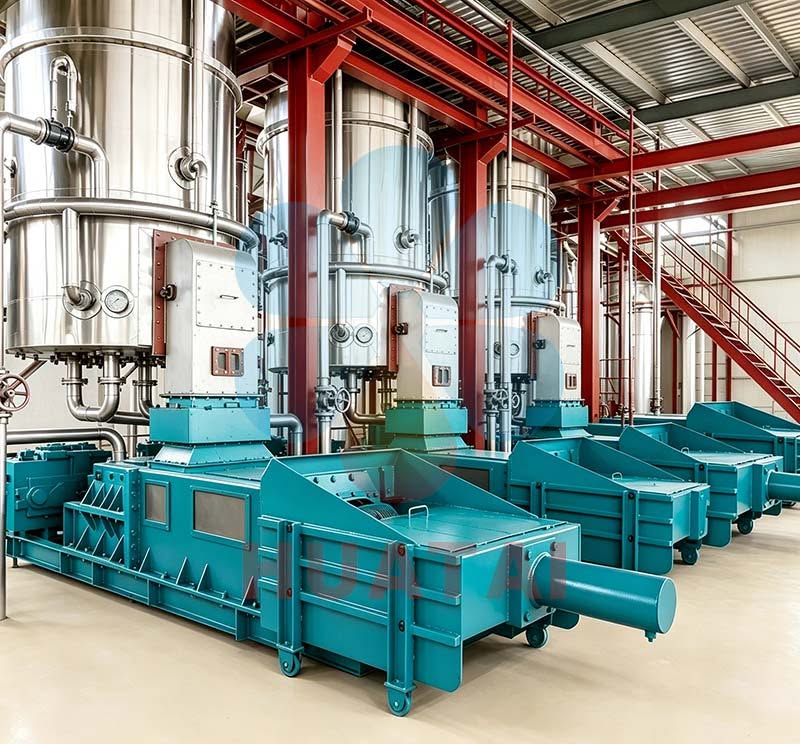
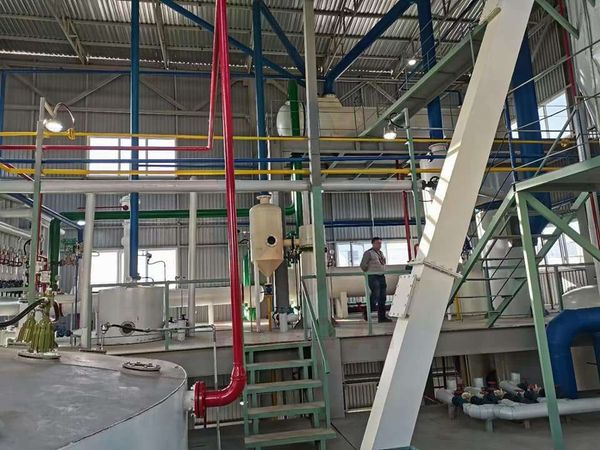
Soybean oil is rich in Vitamin E and polyunsaturated fatty acids (such as linoleic acid), offering benefits such as lowering blood lipids and preventing cardiovascular disease. However, soybeans typically have an oil content of only 17%–20%, making the oil difficult to extract. So, how exactly is soybean oil extracted from soybeans? What are the mainstream extraction methods currently in use? This article systematically outlines the primary soybean oil extractionmethods and draws upon the technical expertise of Henan Huatai Cereals & Oils Machinery Co., Ltd. to provide you with a comprehensive understanding of the field.
1. Pre-treatment: An Indispensable First Step
Before the actual soybean oil extraction process begins, soybeans must undergo a series of pre-treatment steps. Impurities often become mixed in with the oilseeds during harvesting, transportation, and storage.
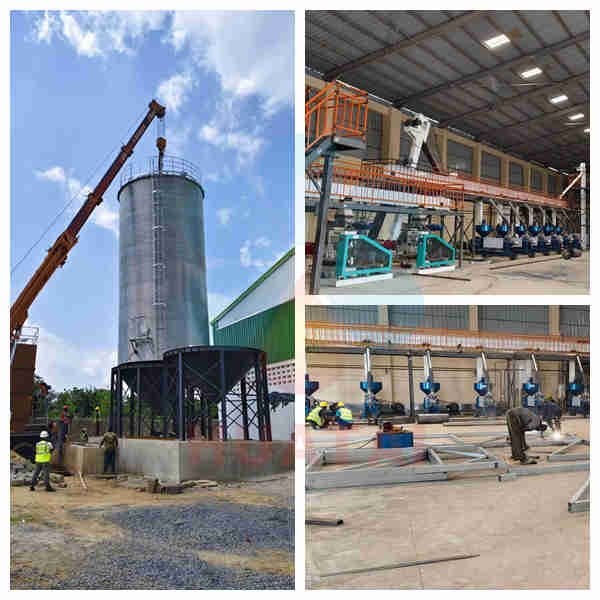
Pre-treatment typically involves four core processes: cleaning, crushing, softening, and flaking. The cleaning stage efficiently removes impurities using equipment such as cleaning screens, magnetic separators, and destoners; crushing and flaking employ mechanical means to disrupt the soybean's cellular structure, facilitating oil release.
2. Three Mainstream Methods of Soybean Oil Extraction
Currently, soybean oil extraction processes primarily include mechanical pressing, solvent extraction, and the extrusion-expansion/solvent extraction combination method. Additionally, emerging technologies are currently under research and development.
1) Mechanical Pressing – Physical Squeezing for Natural Purity
Mechanical pressing separates oil from soybeans through physical compression. It is categorized into standard pressing and screw pressing; screw pressing has become the mainstream method due to its suitability for continuous production. Pressing can be further divided into hot pressing and cold pressing: hot pressing yields a higher oil output, while cold pressing better preserves nutritional components.
Advantages: High adaptability, simple operation, and safe production; the process relies entirely on physical compression without additives, resulting in high-quality crude oil that retains the soybean's natural flavor and nutrients.
Disadvantages: Lower oil yield (residual oil content is around 6%–8%), significant degradation of nutrients due to high-temperature compression, relatively lower production efficiency, and severe protein denaturation in the soybean meal.
Mechanical pressing is best suited for small-to-medium-sized oil mills and production scenarios that prioritize natural flavor.
2) Solvent Extraction Method-High Efficiency, the Preferred Choice for Industrial Production
The solvent extraction method involves soaking soybean flakes in an organic solvent (such as n-hexane) to dissolve the oil, followed by heating and evaporation to separate the solvent from the oil. A complete extraction system consists of four main components: the flake extraction system, the wet meal desolventizing system, the mixed oil evaporation system, and the solvent recovery system.
Advantages: Extremely high oil yield (up to 99%) with residual oil content controlled below 1%; high production capacity and low production costs; high level of automation, making it suitable for large-scale industrial production. Additionally, the remaining soybean meal has high protein content and can serve as a raw material for food and animal feed, ensuring higher utilization rates. For projects with a daily capacity exceeding 30 tons, solvent extraction is the more cost-effective and efficient choice.
Disadvantages: The solvents used are toxic and require strict safety measures; equipment investment costs are high; the extracted crude oil contains trace amounts of residual solvent and must undergo thorough refining to meet national standards before it can be sold.
3) Extrusion-Expansion Combined with Solvent Extraction-A Powerful Combination
The extrusion-expansion combined with solvent extraction method integrates extrusion-expansion pretreatment with solvent extraction. Soybeans undergo extrusion-expansion to fully disrupt their cellular structure before solvent extraction takes place.
Advantages: Rapid extraction speed and high oil quality.
Disadvantages: High equipment investment and energy consumption; significant protein denaturation in the soybean meal.
3. How to Choose Between Pressing and Solvent Extraction?
For edible oil processing plants, the choice of process requires a comprehensive assessment of factors such as production capacity, budget, and product positioning:
Solvent extraction maximizes oil recovery from the raw material, thereby increasing the plant's oil yield and profitability; however, it entails higher equipment investment and is best suited for large-scale operations.
4. Post-Extraction-Crude Oil Refining Is Essential
Regardless of whether the soybean oil pressing or solvent extraction method is used, the resulting product is crude oil containing impurities; it must undergo refining to become finished oil that meets edible standards. The soybean oil refining process generally comprises four key stages: degumming, deacidification, decolorization, and deodorization. Some high-end production lines also include a dewaxing step. Refining effectively removes various impurities from the oil, enhancing the quality and color of the soybean oil while extending its shelf life. Refined soybean oil boasts a clear, bright color and a pure taste, with quality standards far exceeding national requirements.
5. Henan Huatai Oil Machinery - Comprehensive Solutions for the Entire Soybean Oil Extraction Process
In the field of soybean oil extraction, Henan Huatai Cereals & Oils Machinery Co., Ltd. is a prominent professional enterprise. With 38 years of manufacturing experience since its inception in 1988, the company covers an area of over 100,000 square meters and operates 12 intelligent workshops. As a leading enterprise in China's grain and oil machinery industry, Huatai has long specialized in oil extraction equipment, exporting its products to more than 70 countries and regions worldwide.
Core Advantages in Soybean Oil Extraction:
1) Comprehensive One-Stop Service
Huatai provides a full suite of intelligent equipment and customized solutions covering the entire process—from raw material pretreatment and oil extraction to oil refining. Its complete pretreatment equipment lines include core machinery such as cleaning screens, magnetic separators, and destoners, capable of meeting capacity requirements ranging from 10 to 5,000 tons per day.
2) Dual-Track Approach: Pressing and Solvent Extraction
Soybean Oil Pressing Equipment: Huatai's screw oil presses offer a daily processing capacity of 1 to 50 tons. Utilizing a purely physical pressing process, they preserve the natural flavor of the soybeans and are ideal for small-to-medium-sized oil mills.
Soybean Oil Solvent Extraction Equipment: Utilizing low-temperature extraction technology, this method increases oil yield by 5%–8% compared to traditional processes and reduces residual oil content to below 1%. The complete extraction system comprises four main components: the material flake extraction system, the wet meal desolventizing system, the mixed oil evaporation system, and the solvent recovery system.
3) Superior Refining Equipment Quality
Huatai's fully continuous refining production lines can process up to 600 tons per day on a single line while reducing energy consumption by 15%–20%. Through precise temperature control and intelligent regulation technologies, the refining equipment efficiently removes impurities, resulting in oil with a clear, bright color and a pure taste.
4) Experience with Global Projects
The complete soybean oil processing line built by Huatai in Bolivia-featuring a 1,000 tpd (tons per day) pretreatment and solvent extraction section and a 200 tpd refining section—marked the first soybean oil processing line constructed by a Chinese enterprise in South America. Additionally, the company has undertaken other benchmark projects, such as a complete 200 tpd soybean oil production line in Heilongjiang Province.
Conclusion
Each soybean oil extraction method has its own merits: pressing offers natural purity, while solvent extraction provides high efficiency and cost-effectiveness. For large-scale production, solvent extraction has become the mainstream choice for oil processing plants due to its high oil yield, low costs, and automation capabilities. Regardless of the chosen process, professional equipment and a comprehensive refining workflow are essential to ensuring the quality of the finished oil.
If you are looking to set up a soybean oil production line, we offers a "turnkey" one-stop service, covering everything from initial planning and design to final installation and commissioning. We welcome new and existing clients to visit our facility and explore the path toward efficient, eco-friendly, and intelligent soybean oil extraction together!
Website: https://www.oilpresscn.com/
Email: info06@cnoilmachine.com