
Cottonseed is a primary by-product of cotton oil processing, naturally containing approximately 23% oil and 40% plant protein. The cottonseed meal remaining after oil extraction can be utilized as an ingredient for animal feed. In recent years, the rapid expansion of cotton cultivation has led to a steady increase in the production of cottonseed-a by-product that has made the cottonseed processing industry increasingly significant.
While the "pre-pressing - solvent extraction" method has traditionally been the standard for cottonseed oil processing, the maturation and modernization of industrial technology have introduced the "expansion-extraction" (extrusion-extraction) process as an alternative. How does this expansion-extraction process compare to the traditional pre-pressing method? Huatai provides a brief overview below.

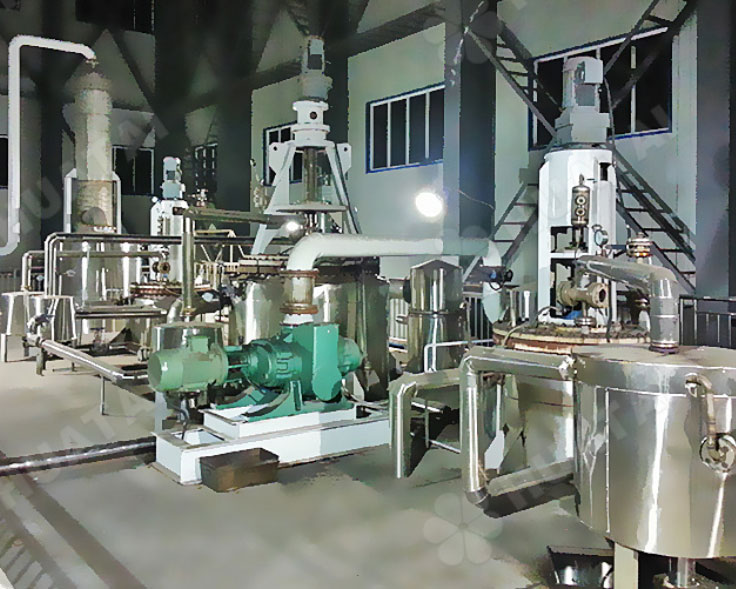
In the expansion process, prepared cottonseed raw material is fed into an extrusion-expander. As the material is propelled forward by a rotating, variable-pitch screw, it encounters resistance and agitation from shear pins. With the injection of direct steam, the material undergoes intense friction, kneading, and compression against the barrel walls, generating high temperatures and high pressure. This causes the proteins to undergo controlled denaturation and ensures the complete breakdown of cell walls, allowing the oil to diffuse to the surface of the material. The resulting expanded product takes on a porous, granular structure.
The advantages of the cottonseed expansion-extraction process include:
1) Improved oil quality and reduced refining costs. The residual oil content in cottonseed meal processed via expansion-extraction typically ranges from 0.4% to 0.6%-a level comparable to that of meal produced through traditional pre-pressing and solvent extraction. Furthermore, the crude cottonseed oil obtained through this method is clear, and its refining yield is higher than that achieved with the traditional pre-pressing process.
2) Enhanced meal quality and increased economic returns. Practical experience shows that a higher content of free gossypol in cottonseed meal correlates with poorer protein quality-specifically, a lower crude protein content-which in turn reduces its nutritional value and utility for livestock and poultry. When cottonseed undergoes an expansion (extrusion) process, the quality of the resulting cottonseed meal improves significantly. The amino acid content is 3 percentage points higher than that of meal produced via pre-pressing and solvent extraction, while the level of free gossypol-a toxic compound-is drastically reduced. Consequently, no further detoxification is required, providing a distinct competitive advantage in terms of market pricing.
In summary, employing an expansion process for cottonseed oil pretreatment not only lowers the free gossypol content in both the oil and the meal-thereby boosting economic returns and helping enterprises achieve their operational goals-but also effectively resolves the issue of high free gossypol levels commonly associated with traditional pressing methods.
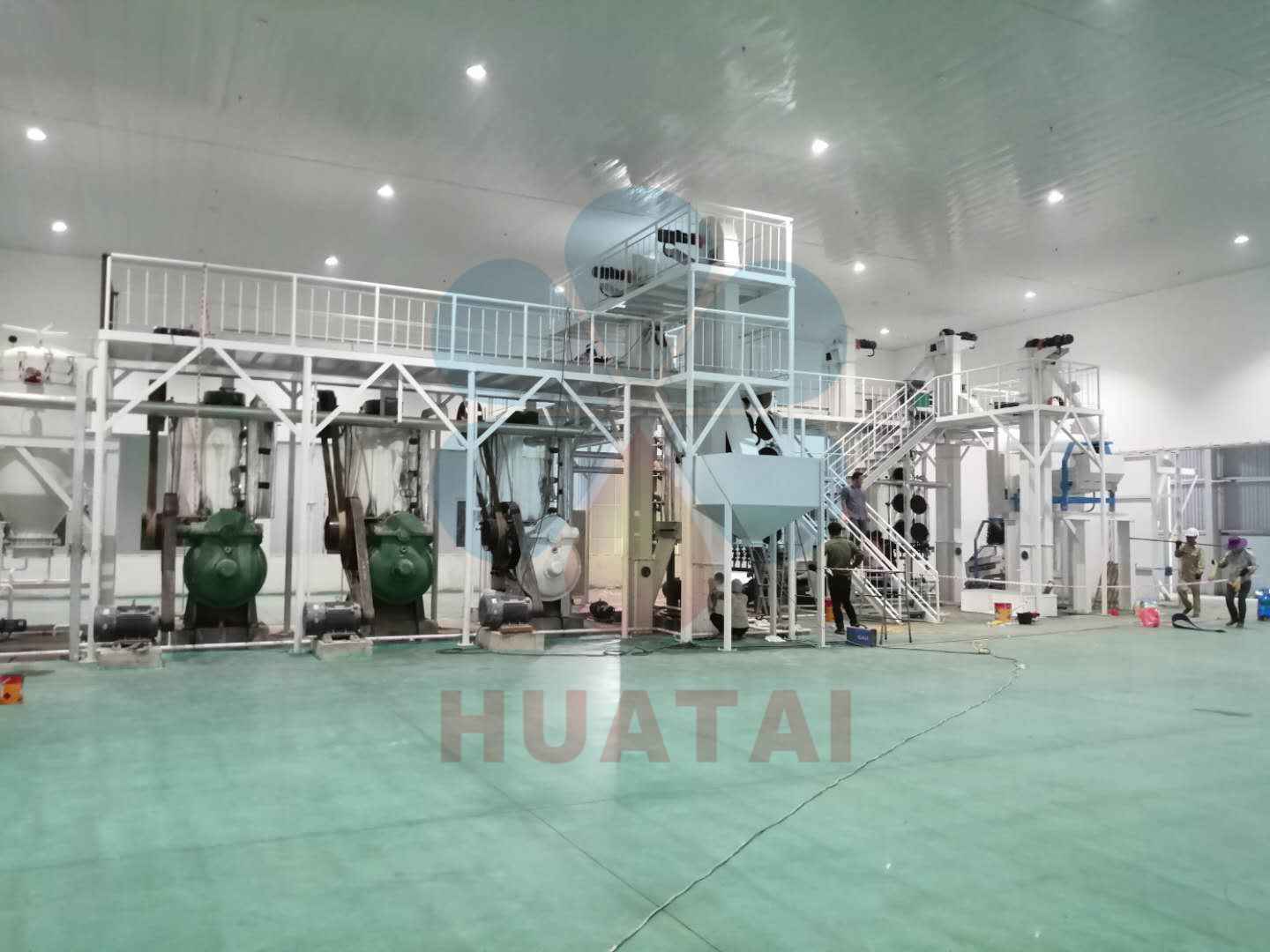
For those looking to procure complete cottonseed oil extraction equipment, we invite you to consult with and visit Huatai Cereals & Oils Machinery CO., Ltd. With our own manufacturing facilities, mature technical processes, and extensive industry experience, we offer customized cottonseed oil production line solutions and bespoke equipment tailored to your specific requirements. We provide a comprehensive, one-stop service-encompassing design, manufacturing, installation, commissioning, and staff training-to ensure your cotton oil mill can commence production smoothly and manufacture edible oil that meets all relevant standards. We welcome you to visit our factory for an inspection and professional consultation.
Website: https://www.oilpresscn.com/
Email: info06@cnoilmachine.com