

As Nigeria strives to revitalize its leadership in the global palm oil market, the country's agriculture is undergoing a profound transformation. For investors entering the Nigerian palm oil processing sector, budget planning is not just a numbers game, but a core strategic decision. Henan Huatai Cereals & Oils Machinery Co., Ltd., a Chinese palm oil equipment manufacturer with extensive practical experience in the Nigerian market, provides a detailed analysis of the budget structure and key points for the Nigerian palm oil business in 2026, taking into account the latest local economic situation.
1. Market Background: Budgeting Amidst Opportunities and Challenges
Before formulating any budget, it is essential to understand the current state of the Nigerian macroeconomic environment. According to a recent report by BusinessDay, Nigeria is facing a fierce struggle between importing palm oil and local production. On the one hand, Nigeria spends approximately $600 million annually importing palm oil, while domestic consumption is around 2.5-3 million tons, and palm oil production is only about 1.4 million tons, resulting in a significant supply-demand gap. On the other hand, the federal government is firmly supporting local production through backward integration policies and joining the Council of Palm Oil Producing Countries, attempting to reverse import dependence.
However, investors should also be aware of the risks: the recent influx of imported palm oil has led to fluctuations in local fresh palm fruit bunch prices, putting pressure on producer profits. Therefore, when budgeting for palm oil operations in Nigeria, "risk resistance" and "cost control" must be considered as core indicators.
2. Henan Huatai Palm Oil Equipment Selection and Initial Investment Budget
When starting a palm oil processing business in Nigeria, the primary budget item is equipment procurement. Huatai Oil Machinery offers flexible solutions tailored to Nigeria's diverse raw material supply and investment scale.
1) Core Equipment Investment Budget
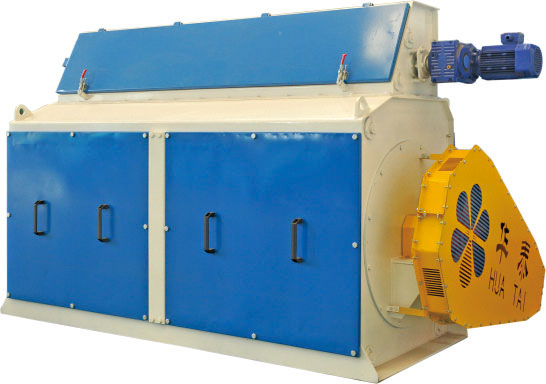
Huatai palm oil equipment covers the entire process from initial palm fruit sterilization to palm oil refining and fractionation. The following is a typical equipment budget reference for the Nigerian market:
Small/Startup Business: For investors planning a small-scale start-up or establishing a modular palm oil processing point, Huatai's small palm oil processing machines are an ideal choice. For example, Huatai's latest small-capacity palm oil processing machine, with a processing capacity of up to 1000 kg/h, features high automation, energy saving, and long service life, making it ideal for the initial processing of FFB (fresh fruit bunches) in Nigeria. This type of equipment typically includes basic modules such as sterilization, threshing, and pressing, serving as a starting point for entering the industry.
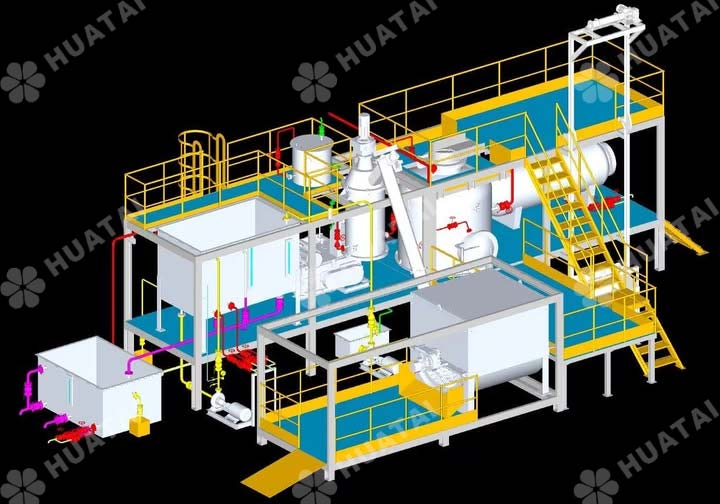
Medium/Large-Scale Operations: If you plan to establish a complete palm oil production line, you need to consider including a sterilizer, digester, press, and a preliminary clarification system. Huatai's palm oil processing lines support processing capacities ranging from 10T/D to 1000T/D, meeting the ever-increasing capacity demands.
Refining and Fractionation Equipment (Budget depends on capacity): To cope with market competition and obtain higher profits, producing CPO (crude palm oil) is only the first step. To directly supply the high-end market or food processing plants, refining equipment is essential. Henan Huatai's palm oil refining equipment process includes: degumming and drying → decolorization → physical deacidification and deodorization → fractionation. Investing in this stage can significantly increase product added value, but additional funds need to be planned in the budget.
2) Customization and Supporting Service Budget
Huatai supports customized logos, packaging, and graphics, which is an important marketing budget for investors looking to establish a local brand in Nigeria. Huatai provides after-sales support, allowing engineers to provide services for the machinery overseas, ensuring smooth installation and commissioning in Nigeria.
3. Operating Cost Budget: A Carefully Calculated "Economic Account"
According to research data from Delta State, Nigeria, the profit model for palm oil processing is clear, but meticulous cost management is required.
1) Production Cost Composition
Taking an economic analysis of Nigeria as an example, the main costs of palm oil processing include:
Raw Materials (FFB): This is the largest variable cost. Recent import shocks have led to a decline in FFB prices, but have also created profit margins for palm oil processing plants with stable raw material sources.
Energy and Power: Nigeria's power supply is unstable, so many palm oil processing plants need to use their own generators. A major advantage of Huatai equipment is its energy-saving design, significantly reducing energy budgets.
Water Treatment and Labor: Huatai's water treatment system ensures water quality through sedimentation, filtration, and chemical dosing processes. This not only guarantees the quality of palm oil but also reduces water costs.
2) Profit Expectations
Studies show that the average profit margin for palm oil processing in Nigeria is 37%, with a profit-to-total-cost ratio as high as 0.59. By introducing Huatai's efficient and automated equipment, reducing losses and energy consumption, the actual profit margin is expected to exceed this average.
4. Government Policy and External Funding Budget Considerations
1) Utilizing Policy Dividends
The Nigerian government is actively promoting backward integration and cooperating with CPOPC. Your budget should include funding for partnerships with government agencies (such as NIFOR) to secure high-yield planting materials and technical support. Simultaneously, closely monitor government quotas on imported palm oil, as this directly impacts the pricing power and sales budget of local palm oil processing plants.
2) Land and Plantation Budget
If you plan to start with a plantation, note that in regions like Edo State, the cost of developing one hectare of palm oil plantation is approximately $7,000 to $8,000. Large investors have already earmarked hundreds of millions of dollars in the region, indicating that the integrated "plantation + processing" model is a long-term trend, but this also means substantial upfront capital expenditure, which must be addressed through equity financing or long-term loans.
5. Summary: Building a Robust Financial Model
Budgeting for a palm oil business in Nigeria requires combining "equipment efficiency" with "policy risk."
Short-term Survival: Relying on energy-efficient, automated equipment with good after-sales service, like that from Henan Huatai palm oil machine, can reduce the production cost per ton of palm oil to counter the impact of cheap imported oil.
Long-term development: Budgetary funds should be allocated to address policy changes. With Nigeria's accession to the CPOPC, future production standards may rise. Investing in palm oil refining and fractionation equipment that meets international standards (such as Huatai's complete refining systems) is key to weathering market fluctuations and capturing the high-end market.
Choosing Henan Huatai Oil Machinery is not just about purchasing equipment; it's about introducing a profitable business model refined through 38 years of technological expertise. Whether you are a startup cooperative in Delta State or a large-scale farm expanding in Edo State, combining precise budget control with advanced processing technology will allow you to establish a foothold in Nigeria's high-potential market.
Website: https://www.oilpresscn.com/
Email: info06@cnoilmachine.com