
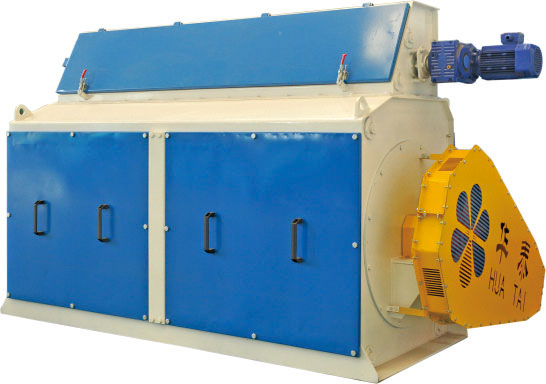

As the vegetable oil with the highest global production and consumption volumes, palm oil plays an irreplaceable role in cooking and the food manufacturing industry. However, palm oil refining equipment operates continuously under conditions of high temperature, high humidity, and heavy loads. Improper maintenance not only compromises the quality of the refined oil but also significantly shortens the equipment's lifespan and increases production costs. Effectively maintaining palm oil refining equipment is a core challenge that managers of oil processing enterprises must address.
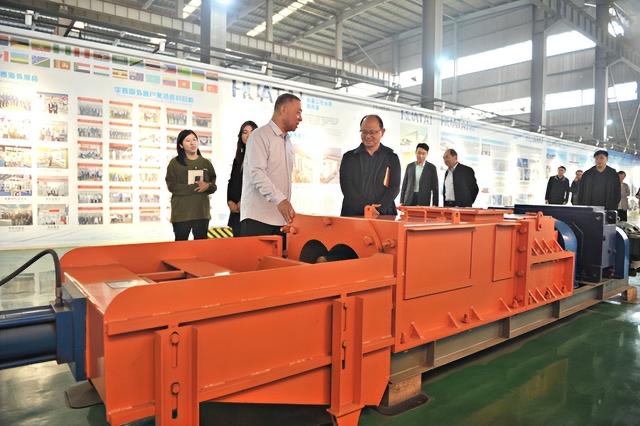
As a professional manufacturer of grain and oil machinery with over 38 years of experience, Henan Huatai Cereals & Oils Machinery Co., Ltd. has provided turnkey solutions—ranging from plant layout design and equipment manufacturing to on-site installation and commissioning—to clients in more than 70 countries and regions worldwide. Drawing on Huatai Oil Machinery's technical expertise and service experience in the palm oil refining sector, this article systematically outlines key maintenance points to help enterprises achieve efficient, stable, and long-term equipment operation.
1. The Importance of Palm Oil Refining Equipment Maintenance
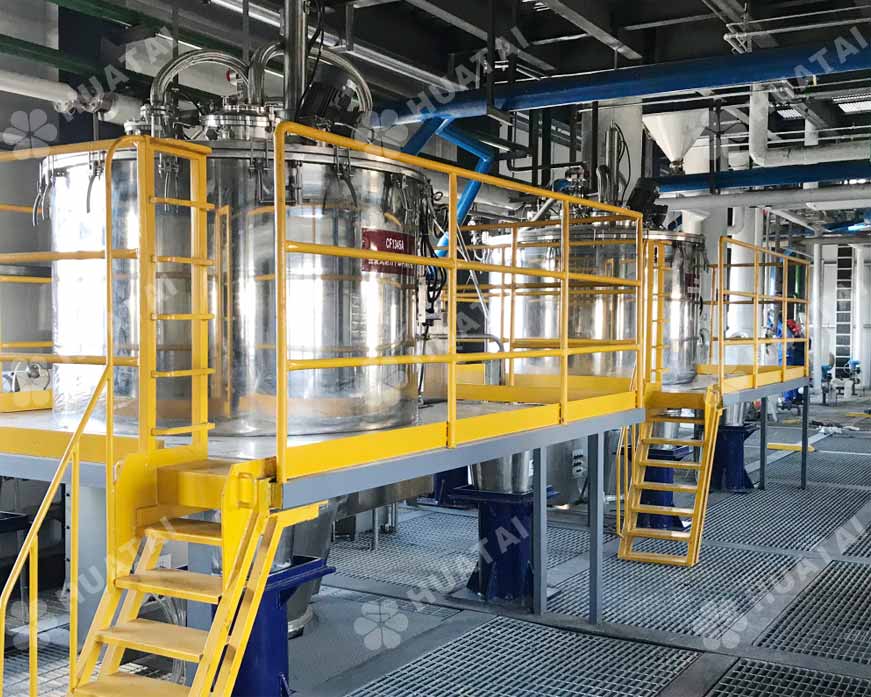
Palm oil refining typically comprises four core processes—degumming, deacidification, bleaching, and deodorization—involving multiple units such as degumming tanks, bleaching towers, deodorization towers, heat exchangers, vacuum systems, and filters. During operation, this equipment is subjected to high temperatures (exceeding 230°C), high vacuum levels, and the continuous action of chemical media. Problems in any single stage can lead to increased energy consumption and fluctuations in product quality, or—in severe cases—equipment failure and production shutdowns.
Systematic equipment maintenance not only significantly extends service life and reduces energy consumption and failure rates but also boosts production efficiency and economic returns. For palm oil processing enterprises, establishing a comprehensive maintenance system is a crucial foundation for ensuring long-term, stable production line operation and enhancing market competitiveness.
2. Key Points for Daily Maintenance of Palm Oil Refining Equipment
1) Daily Inspections and Parameter Monitoring
Daily inspection serves as the first line of defense in equipment maintenance. Operators should conduct daily visual inspections to check for abnormal vibrations, unusual noises, leaks, or other irregularities.
The PLC fully automated control system equipped by Huatai Oil Machinery for palm oil refining equipment utilizes IoT modules to enable real-time monitoring of production parameters and remote operation and maintenance, allowing customers to detect anomalies immediately. This intelligent control system tracks equipment operating status around the clock, significantly enhancing the timeliness and accuracy of fault early warnings.
2) Lubrication Management
Lubrication is the most fundamental and critical aspect of equipment maintenance. Components such as drive mechanisms, bearings, and gearboxes in palm oil refining equipment require regular lubrication. Generally, it is recommended to lubricate drive components every 100–150 hours of operation; lubrication status should be checked every 50 working hours, ensuring gearbox oil cups remain filled. Dust and impurities must be prevented from entering lubrication points. Gearbox oil quality should be inspected annually, and the oil must be completely replaced if deterioration is detected.
3) Cleaning Management
Regularly removing dust, grease, and impurities from equipment surfaces is essential to prevent corrosion and poor heat dissipation. The bleaching process generates significant amounts of bleaching earth, which must be cleared regularly to prevent blockages that could impair process efficiency. The evaporation section of the oil extraction equipment requires cleaning every 30–40 days, while condensers should undergo maintenance twice a year and cleaning once a year. If the equipment is shut down for more than one hour, all raw materials inside must be thoroughly cleared out.
4) Inspection of Seals and Pipelines
Palm oil refining equipment involves extensive steam piping and vacuum systems; the integrity of seals directly impacts production efficiency and product quality. Sealing components should be inspected frequently to ensure proper function, with timely replacement and maintenance performed as needed. Attention must also be paid to the integrity of steam pipe insulation to prevent the combined effects of heat loss and vacuum leaks.
3. Periodic Overhaul and Preventive Maintenance
1) Monthly Maintenance
Systematic maintenance should be performed monthly, including:
Replacing hydraulic oil filter elements
Checking seals for wear
Testing the responsiveness and reliability of safety interlock devices
Verifying the accuracy of instruments such as pressure gauges and thermometers
2) Quarterly Comprehensive Maintenance
Comprehensive maintenance is generally recommended on a quarterly basis, depending on equipment usage frequency and the operating environment. Comprehensive maintenance should include internal equipment cleaning, inspection and replacement of wear parts, electrical system testing, and control system software upgrades.
3) Annual Major Overhaul
A major inspection should be conducted every 4–6 months of operation to replace worn parts and replenish the bearing housings with sufficient lubricating oil and grease. A semi-annual inspection cycle is recommended for the main unit and the power transmission system. During the overhaul, all dirt and debris must be thoroughly removed from the equipment, and all connecting bolts tightened.
4. Common Faults and Remedial Recommendations
Common faults that may occur during the long-term operation of palm oil refining equipment include:
Heat exchanger fouling: This slows down the heating rate and prolongs exposure to high temperatures, thereby increasing the risk of oxidation and color reversion. Regular cleaning of the heat exchanger is recommended to ensure heat transfer efficiency.
Vacuum level fluctuations: These directly affect deodorization efficiency and lead to increased rework and downtime. The vacuum pump and sealing system should be inspected regularly.
Pump and seal failures: Monitor shaft seal temperature rise, vibration, and current curves; consistently high current often indicates increased system resistance or wear.
Clogging issues: These may be caused by excessive impurities in the raw material or improper operation; raw material cleaning and regular system purging should be intensified.
5. Huatai Oil Machinery: Full Lifecycle Service Guarantee
Selecting a high-quality equipment supplier is, in itself, a crucial guarantee for equipment maintenance. Huatai Oil Machinery not only provides high-quality palm oil refining equipment but also establishes a service system covering the entire lifecycle of the equipment.
1) Strong technical capabilities: Huatai Oil Machinery boasts an R&D team of 138 professionals and holds a total of 127 patents. The company has developed complete equipment sets—such as the twin-screw palm fruit oil press—that fill gaps in the domestic market.
2) Comprehensive product range: Huatai Oil Machinery offers palm oil refining solutions with capacities ranging from 1 TPD to 600 TPD, covering three process routes: batch refining (1–20 TPD), semi-continuous refining (20–50 TPD), and fully continuous refining (50–600 TPD). The palm oil fractionation equipment—a core part of the company's business—utilizes fractional crystallization technology to precisely separate stearin and olein from palm oil, maintaining the melting point difference within a range of ±0.5°C.
3) Global Service Network. Huatai Oil Machinery has established over 20 overseas offices, with products exported to more than 70 countries and regions. The company provides comprehensive services to global clients—ranging from process design and equipment selection to installation and commissioning—and dispatches professional technical teams to oversee the entire process and provide full-lifecycle after-sales support.
4) Energy Efficiency and Environmental Advantages. Huatai Oil Machinery's palm oil refining equipment features strict control over water, electricity, and steam consumption, perfectly meeting clients' energy-saving targets. In actual operation, the equipment achieves energy consumption levels that rank among the most advanced in the industry.
6. Conclusion
Effective maintenance of palm oil refining equipment is a systematic undertaking that requires a comprehensive approach covering daily inspections, lubrication management, cleaning and maintenance, periodic overhauls, and fault prevention. Partnering with an equipment supplier like Henan Huatai Cereals & Oils Machinery Co., Ltd.—which possesses strong technical capabilities and a robust service system—provides enterprises with powerful technical support and assurance for their equipment maintenance operations.
Huatai Oil Machinery consistently upholds the development philosophy of "seeking growth through technological innovation and survival through product quality," and is dedicated to providing safer, more reliable grain and oil machinery to customers worldwide. If you have any questions regarding the selection, operation, or maintenance of palm oil refining equipment, please contact us to receive a tailored solution.
Website: https://www.oilpresscn.com/
Email: info06@cnoilmachine.co