
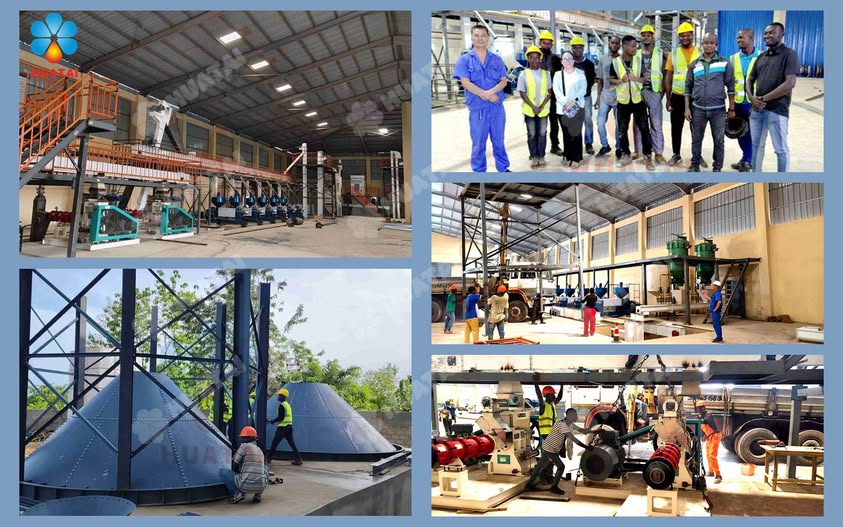
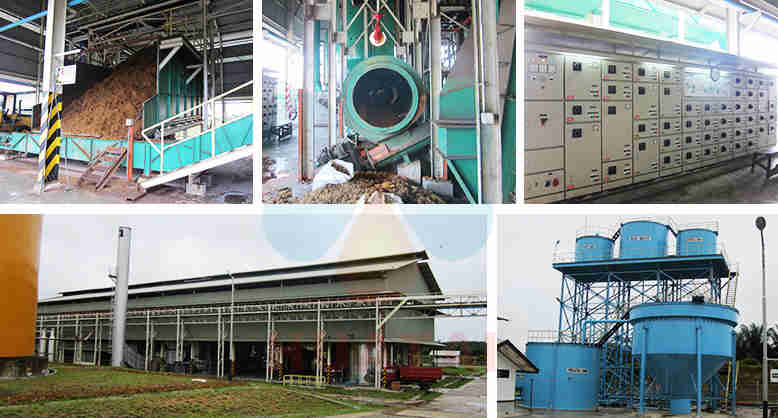
Palm oil refining typically involves processes such as degumming, deacidification, bleaching, and deodorization. The equipment used includes centrifuges, bleaching towers, deodorization towers, vacuum systems, heat exchangers, filters, pumps, valves, and electrical control systems. Because the quality of crude palm oil varies based on its origin, the season, and storage conditions, refining equipment is prone to issues such as scaling, clogging, the degradation of seals, and fluctuations in vacuum levels. Establishing a preventive maintenance system is far more effective for ensuring stable production than relying on emergency repairs after a breakdown. Henan Huatai Cereals & Oils Machinery Co., Ltd.-which possesses extensive experience in the manufacturing of oil processing machinery, the design of refining processes, and project services-recommends that users approach the maintenance of palm oil refining equipment through three channels: daily management, periodic maintenance, and technical support from the original manufacturer.
1. Establish a Daily Inspection System to Detect Equipment Anomalies Promptly
The first step in maintaining palm oil refining equipment is daily inspection. Operators should record key operational parameters—such as temperature, pressure, vacuum levels, flow rates, and electrical current-during every shift. Particular attention should be paid to centrifuge vibrations, the sounds emitted by vacuum pumps, pressure differentials across heat exchangers, potential clogging in filters, and any leaks from pumps or valves. If parameters deviate from the normal range, they should be investigated immediately to prevent minor issues from escalating into major incidents that cause production downtime.
Henan Huatai Cereals & Oils Machinery Co., Ltd. suggests that palm oil refining facilities should develop inspection routes and standardized recording forms tailored to their specific equipment configuration, with clearly assigned responsibilities. For critical equipment—such as bleaching towers, deodorization towers, and centrifuges-inspection frequency should be increased, and thorough handover records should be maintained between shifts. Adhering to standardized operating procedures is also a vital aspect of maintenance; this includes avoiding equipment overload, frequent start-stop cycles, and improper adjustments to the vacuum system.
2. Maintenance and Care for Key Equipment Components
1) Centrifuge Maintenance
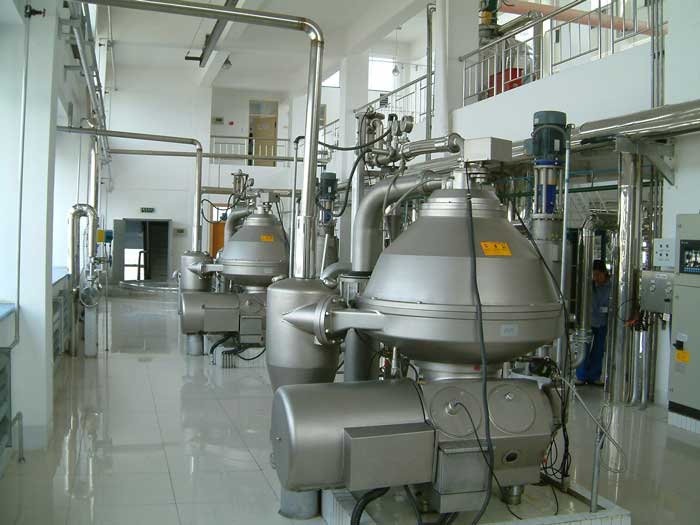
Centrifuges are essential components in the degumming and deacidification stages of palm oil refining. Maintenance should include regular inspections of the centrifuge bowl, disc stack, seals, and bearings. It is also important to ensure a stable feed flow and prevent hard, solid impurities from entering the unit, as these can cause significant wear and tear. After shutdown, the equipment should be cleaned as required to prevent residual oil or grease from forming deposits. If increased vibration, abnormal noise, or a decline in separation efficiency is observed, the equipment should be shut down immediately for inspection.
2) Maintenance of Bleaching and Deodorizing Towers
Since bleaching and deodorizing towers operate for extended periods under high-temperature and vacuum conditions, special attention must be paid to the tower shells, packing, distributors, and sealing components. Regularly check the bleaching agent delivery system for blockages, ensure the stability of the deodorizing tower’s vacuum system, and inspect heat exchangers and condensers for scaling. During scheduled maintenance shutdowns, the interior of the towers should be inspected and cleaned, and any aged or worn-out seals should be replaced.
3) Vacuum System Maintenance
The level of vacuum directly affects the effectiveness of the palm oil deodorization process. Regularly check the vacuum pump oil quality, oil level, cooling water supply, and pipeline seals; also, ensure that condensers and traps are cleaned promptly. Vacuum pump oil should be changed according to the manufacturer’s specifications, taking care to prevent moisture or oil from entering the pump housing. Henan Huatai Cereals & Oils Machinery Co., Ltd. notes that vacuum system leaks are often difficult to detect; these can be identified through sectional pressure-retention testing and by reviewing routine inspection records.
4) Maintenance of Heat Exchangers, Filters, Pumps, and Valves
Heat exchangers should be monitored for pressure differential and heat-transfer efficiency, with cleaning and descaling scheduled based on water quality conditions. Filter elements should be cleaned or replaced promptly when the pressure differential indicates a need, preventing impurities from entering downstream equipment. Pumps and valves should be checked for proper sealing, lubrication, and operational flexibility to prevent leaks or spills. For high-temperature oil pumps and steam valves used in palm oil refining machine, particular attention must be paid to the temperature and oil resistance of the sealing components.
3. Replacement of Sealing Components
Seals are considered wear parts; components such as those in centrifuges, pumps, valves, vacuum systems, and tower flanges should be inspected regularly. If hardening, cracking, or leakage is detected, the seals must be replaced immediately. Henan Huatai Cereals & Oils Machinery Co., Ltd. recommends that users prioritize the use of seals specifically matched to their equipment and maintain a stock of critical spare parts to minimize unplanned downtime.
4. Cleaning, Descaling, and Shutdown Maintenance
During operation, palm oil refining equipment may accumulate oil deposits, carbonized residue (coking), and mineral scale. When cleaning, select an appropriate method based on the type of residue, and avoid using highly corrosive cleaning agents that could damage the equipment. Heat exchangers, condensers, filters, piping, and towers should be cleaned according to a set schedule; once cleaned, they must be thoroughly drained and dried.
During scheduled shutdowns, perform a systematic inspection of the equipment: remove any residue from inside the towers, check electrical insulation, calibrate instruments, replace aged hoses and seals, and inspect anti-corrosion coatings. For short-term shutdowns, implement measures to prevent moisture, rust, and pest infestation. For long-term shutdowns, drain all water from the piping and carry out preservation procedures as specified by the manufacturer.
5. Maintenance of Electrical, Instrumentation, and Control Systems
The electrical control system is vital to the stable operation of palm oil refining equipment. Regularly inspect control cabinets for proper heat dissipation, dust protection, and secure terminal connections. Calibrate instruments used for measuring temperature, pressure, vacuum levels, and flow rates. Monitor the operating status of variable-frequency drives (VFDs), contactors, and motors to prevent malfunctions caused by dust, moisture, or high temperatures. Operators should refrain from arbitrarily modifying process parameters; any adjustments to critical parameters must be documented and verified.
6. Establishing a Preventive Maintenance Plan
An effective maintenance strategy for palm oil refining equipment should integrate daily inspections, monthly maintenance, and annual overhauls. It is recommended that enterprises maintain equipment records-documenting malfunctions, repairs, parts replacements, and routine maintenance-to identify frequent failure points through data analysis and develop a preventive maintenance plan tailored to their specific production line. For palm oil refining projects, Henan Huatai Cereals and Oils Machinery Co., Ltd. assists clients in establishing key maintenance points and operational protocols—tailored to their specific equipment configurations and process requirements-to enhance the stability of equipment operations.
Conclusion
The maintenance of palm oil refining equipment is not an isolated task, but a comprehensive, systematic process encompassing operation, routine inspection, lubrication, cleaning, sealing, electrical systems, and spare parts management. Proper maintenance helps ensure consistent oil quality, lower energy consumption, and minimize losses caused by unplanned downtime. Leveraging its extensive experience in oil machinery manufacturing and engineering services, Henan Huatai Cereals and Oils Machinery Co., Ltd. remains committed to providing robust equipment and technical support for palm oil refining projects. If you are currently planning a palm oil refining project or require professional advice on equipment maintenance, please feel free to contact us to discuss your specific process requirements.
Website: https://www.oilpresscn.com/
Email: info06@cnoilmachine.com