
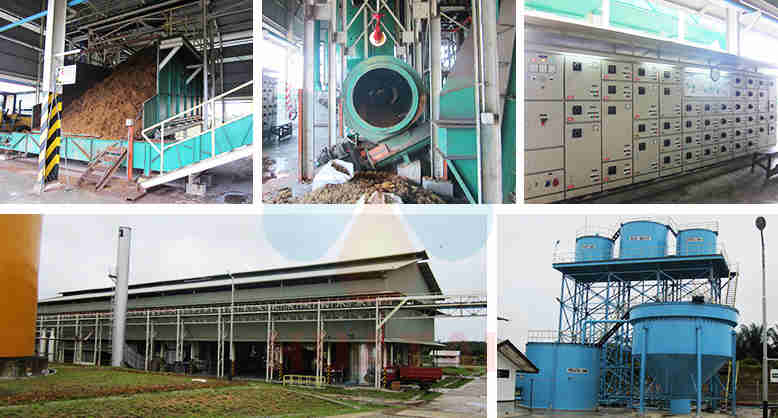
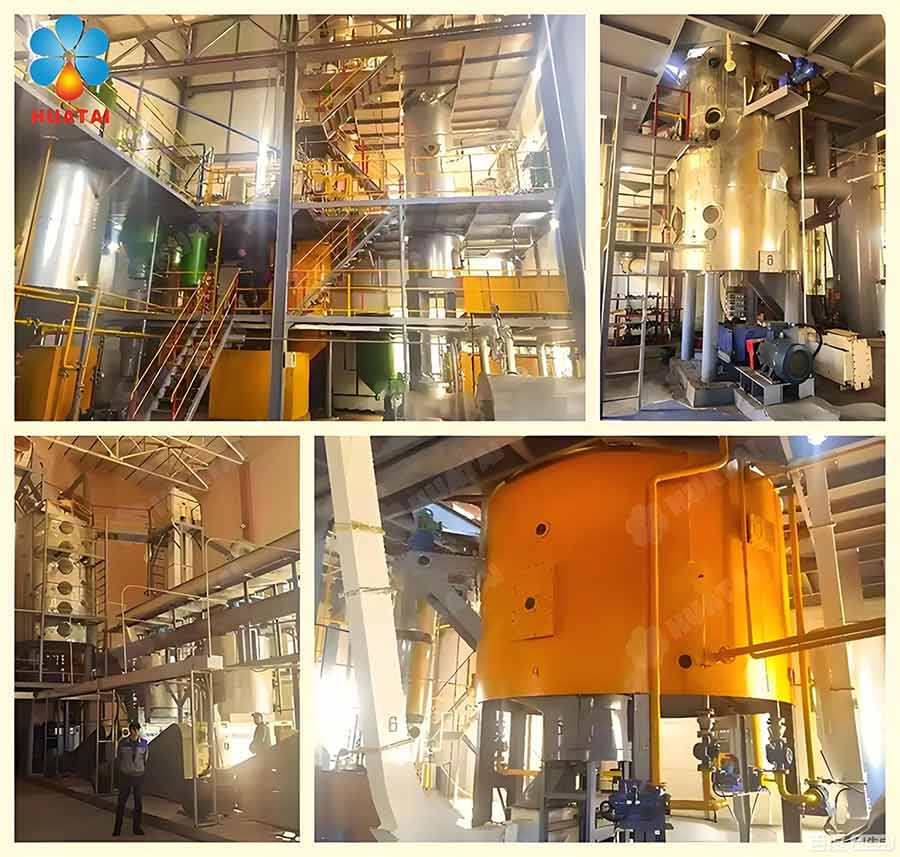
Red palm oil is a precious vegetable oil extracted from the fruits of the oil palm tree. Its distinctive orange-red hue stems from its rich content of natural carotenoids, and it is also abundant in Vitamin E (specifically tocopherols and tocotrienols). However, obtaining high-quality red palm oil requires undergoing a series of meticulous processing steps. This article will provide a detailed breakdown of the red palm oil extraction process, and—by highlighting the specialized equipment and technological expertise of industry leader Henan Huatai Cereals and Oils Machinery Co., Ltd.—offer you a comprehensive understanding of this entire operation.
1. Introduction to Red Palm Oil: Why Does It Deserve Our Attention?
Red palm oil is a vegetable oil extracted from the fleshy pulp of the oil palm fruit, characterized by its natural orange-red color. It possesses exceptional nutritional value and offers a wide range of health benefits, including antioxidant properties, immune system enhancement, cardiovascular disease prevention, and anti-cancer effects. Precisely because of these unique nutritional attributes, red palm oil is playing an increasingly significant role in the global edible oil market. Consequently, selecting high-quality palm oil extraction equipment is the key to ensuring the maximum retention of red palm oil's nutritional components.
2. The Core Steps of Red Palm Oil Extraction
The journey from fresh oil palm fruit bunches to finished red palm oil involves the following seven major core processes:
Step 1: Raw Material Reception and Fruit Selection
Once harvested, mature oil palm fruit bunches are transported to the palm oil mill for processing. Fresh fruit bunches must be processed within 24 hours of harvesting to prevent the rise of free fatty acids—which would degrade oil quality—and to ensure an optimal oil extraction yield.
Step 2: Sterilization
Sterilization is one of the most critical processes in palm oil production. Fresh fruit bunches are loaded into sterilization vessels and treated with high-pressure saturated steam at approximately 140°C for 75 to 90 minutes. The objectives of this sterilization process include:
Inhibiting the activity of lipolytic enzymes within the oil to prevent the generation of free fatty acids, thereby preserving oil quality.
Softening and loosening the fruit to facilitate its separation from the fruit bunches.
Eliminating unwanted microorganisms and reducing the moisture content of the fruit.
Huatai Oil Machinery specializes in manufacturing sterilization vessels of various specifications. These units utilize fully automated PLC control systems, offering distinct advantages such as a high degree of automation, reduced labor requirements, steam conservation, and exceptionally stable system operation.
Step 3: Threshing
Following the enzyme inactivation treatment, the fruit bunches are fed into a fruit thresher for processing. The thresher separates the palm fruits from the bunches through a rotating impact mechanism. The threshing machine developed by Huatai Oil Machinery features low operating costs and high threshing efficiency.
Step 4: Digesting and Pressing
The threshed palm fruits enter a digester, where they are stirred and mashed into a uniform pulp under steam-heated conditions. Subsequently, the pulp is fed into a palm oil press for extraction. Currently, the industry standard utilizes double-screw oil presses, which feature automatic adjustment of the pressing chamber pressure.
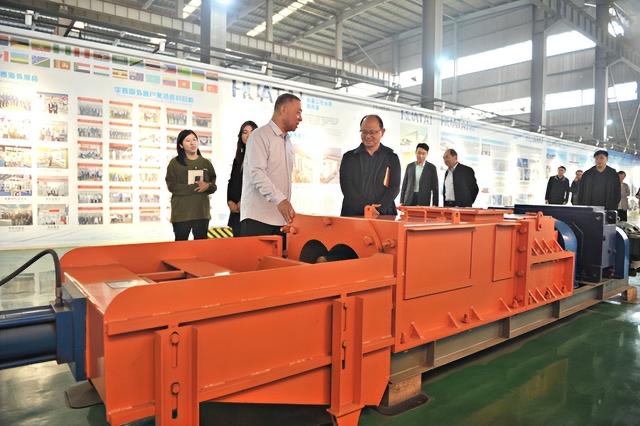
Huatai Oil Machinery's patented "Palm Fruit Oil Press" boasts a processing capacity ranging from 2 to 20 tons per hour (TPH), with an oil residue rate in the press cake of only 6%. The system is controlled via a PLC, with a hydraulic system regulating the cake discharge. The screw shaft and pressing cage are constructed from high-strength materials, ensuring a long service life and stable equipment operation.
The mixture resulting from the palm oil pressing process is separated into two components: first, a mixture of oil, water, and solid impurities (known as Crude Palm Oil); and second, fibers and palm nuts.
Step 5: Nut and Fiber Separation
The fibers and palm nuts generated during the palm oil pressing stage require further processing to extract palm kernel oil. Huatai Oil Machinery’s palm nut cracker and nut-fiber separation unit enable the efficient separation of palm nuts from the fibers.
Step 6: Clarification and Purification
The Crude Palm Oil (CPO) mixture obtained from pressing typically consists of approximately 35–45% raw oil, 45–55% moisture, and various fibers and solid impurities. The clarification process involves pumping this mixture into a clarification tank, where it is held at a constant temperature of approximately 90°C; this allows the oil to float to the surface while impurities settle to the bottom. The clarified oil is then pumped into a high-speed centrifuge and a vacuum dryer for further purification. Following this clarification and purification process, the moisture content of the Crude Palm Oil can be reduced to below 0.1%.
Step 7: Refining and Fractionation (Optional)
Depending on specific product requirements, the Crude Palm Oil may undergo further palm oil refining processes, primarily comprising degumming, deacidification, decolorization, and deodorization. This refining equipment is designed to remove harmful impurities while simultaneously maximizing the retention of beneficial nutrients found in the oil, such as Vitamin E and carotenes.
The fractionation process separates palm oil—through cooling and crystallization—into a liquid fraction (Palm Olein) and a solid fraction (Stearin) to meet the specific requirements of various application sectors.
3. Key Considerations for Red Palm Oil Extraction
Throughout the entire red palm oil extraction process, particular attention must be paid to the following points:
1) Time Control: Fresh fruit bunches must undergo timely sterilization to prevent an increase in acid value.
2) Temperature Control: The sterilization temperature should not be excessively high; it should be maintained within the range of 100–140°C. The specific temperature should be determined based on the type of equipment used and the condition of the raw materials.
3) Timely Processing: Crude palm oil should not be left standing for extended periods; it requires prompt dehydration or refining treatment.
4) Nutrient Retention: The nutritional value of red palm oil primarily derives from carotenoids and Vitamin E; subsequent processing stages must employ gentle techniques to maximize the retention of these active ingredients.
4. Huatai Oil Machinery: Experts in Red Palm Oil Extraction Equipment Manufacturing
Established in 1988, Henan Huatai Cereals and Oils Machinery Co., Ltd. has dedicated itself to the grain and oil machinery industry for 38+ years. Covering an area of 100,000 square meters and featuring modern standard workshops alongside advanced processing equipment, the company stands as a large-scale enterprise integrating R&D, design, manufacturing, installation, and after-sales service for grain and oil machinery.
Huatai Oil Machinery's Technical Advantages in Palm Oil Production:
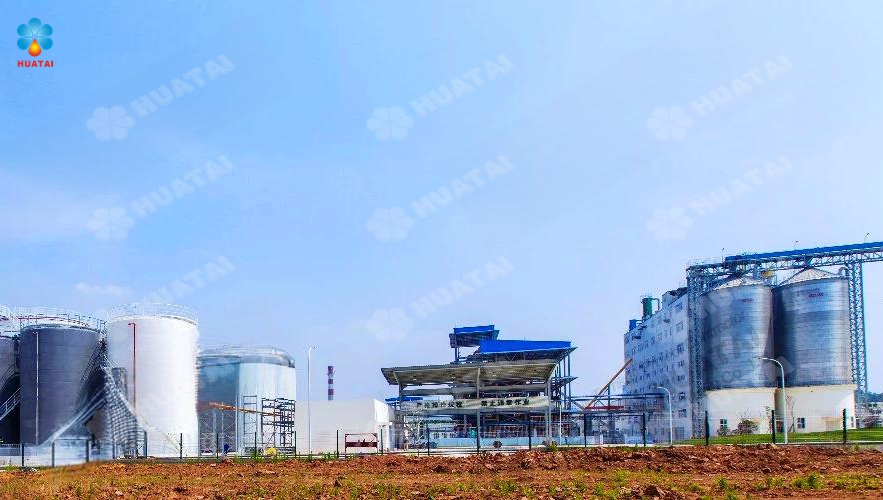
1) One-Stop, Complete Solutions: Huatai Oil Machinery offers clients a comprehensive service chain—ranging from individual machinery units to full-scale "turnkey projects"—covering every stage, including raw material pretreatment, pressing, refining, and the high-value utilization of by-products. Its complete sets of palm oil production equipment are designed to meet the diverse needs of both small-to-medium enterprises and large-scale industrial plants.
2) Global Project Experience: Huatai Oil Machinery's products are exported to over 70 countries worldwide. Its palm oil refining and fractionation projects have been successfully implemented in numerous nations, including Peru (50 TPD) and the Democratic Republic of the Congo (100 TPD). These projects have achieved successful commissioning on the very first trial run, delivering high-quality oil products with low consumption rates, and have garnered widespread acclaim from clients.
5. Conclusion
The sustained rise in palm oil prices has driven rapid growth in both oil palm cultivation and the demand for palm oil processing equipment. Selecting a set of advanced, efficient, and energy-saving palm oil extraction equipment is of paramount importance for seizing market opportunities and enhancing corporate competitiveness.
The extraction of red palm oil represents a sophisticated technical discipline that seamlessly integrates traditional craftsmanship with modern intelligent machinery. From the initial selection of raw fruit to the final refining of the finished product, every stage requires the support of specialized equipment. Drawing 38+ years of industry expertise, numerous national patented technologies, and project experience spanning over 70 countries and regions worldwide, Huatai Oil Machinery is dedicated to providing clients with comprehensive, one-stop solutions—ranging from individual equipment supply to complete turnkey projects.
Website: https://www.oilpresscn.com/
Email: info06@cnoilmachine.com