

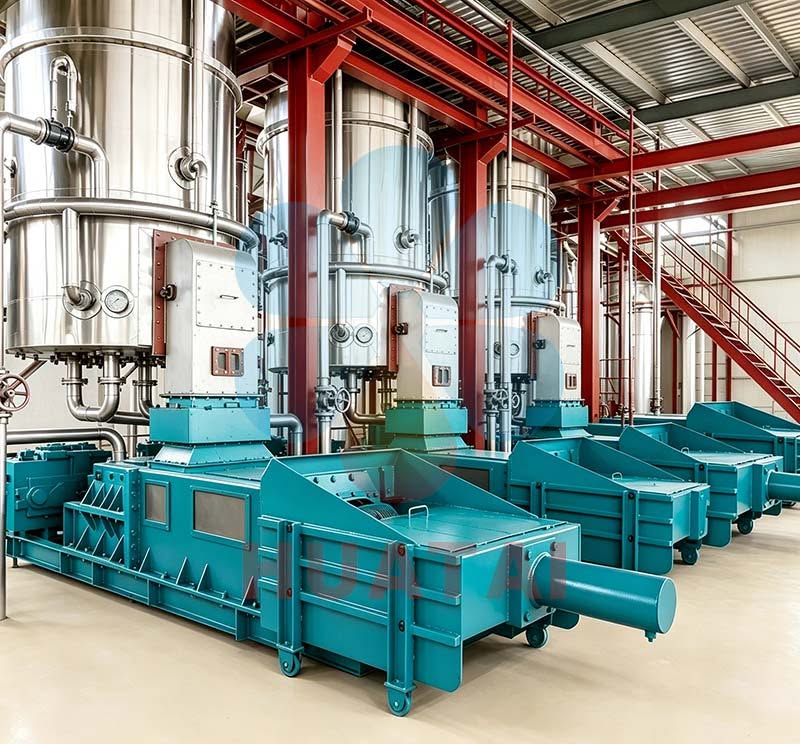
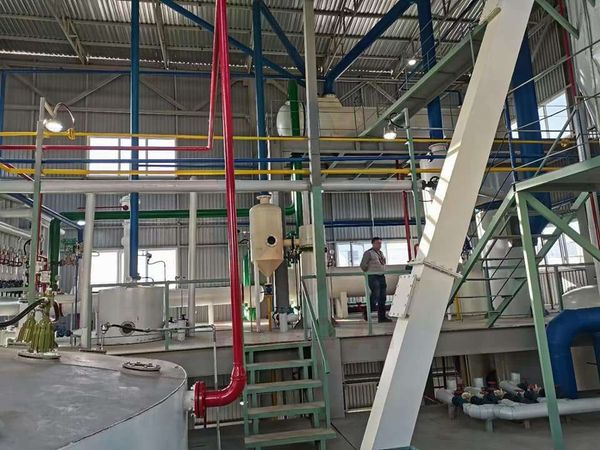
Edible oil is an indispensable companion in our daily cooking, essential for everything. But have you ever wondered exactly which raw materials the oil on your table comes from? This article provides a systematic overview of the raw material sources for edible oil and, drawing on the expertise of Henan Huatai Cereals & Oils Machinery Co., Ltd. in the field of edible oil processing equipment, offers an in-depth look at the complete industry chain-from raw materials to the finished product.
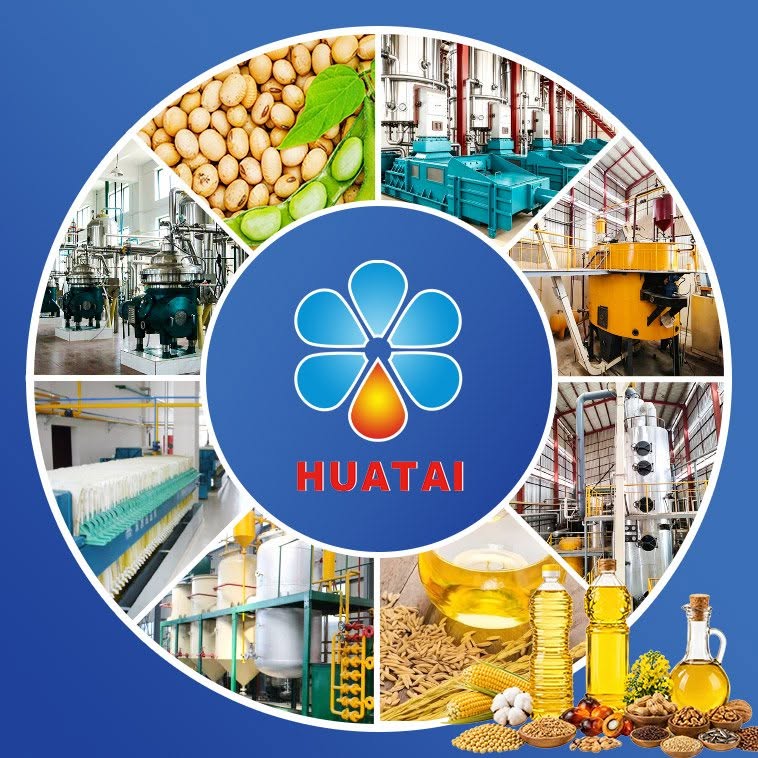
1. Three Major Sources of Raw Materials for Edible Oil
Edible oils can be broadly categorized into three types based on their source: vegetable oils, animal oils, and microbial oils. These are detailed below.
1) Vegetable Oils-The Most Common Source of Edible Oil
Vegetable oils are currently the most prevalent source of edible oil on the market; they are extracted from the roots, stems, leaves, fruits, flowers, or germ tissues of plants. Depending on the plant type, vegetable oils can be further classified into oils derived from herbaceous plants and those from woody plants.
(1) Raw Materials for Herbaceous Plant Oils
Herbaceous plant oils are derived from the seeds or fruits of annual or perennial herbaceous plants. Key examples include:
Soybeans: One of the world's most important oil crops; soybean seeds are rich in plant protein and oil. Soybean oil is produced in massive quantities and is one of the most common edible oil varieties on the market.
Peanuts: Peanut seeds have an oil content of up to 50%, yielding high-quality oil with a rich aroma. Peanut oil is highly popular among consumers due to its intense fragrance.
Rapeseed: Oil can be extracted from rapeseed (canola) after the flowers have withered; the resulting oil is highly nutritious.
Sunflower seeds: Mature sunflower seeds are used to extract sunflower seed oil, which is rich in Vitamin E.
Sesame: Sesame oil is prized as a seasoning for its unique aroma.
Cottonseed: Cottonseed oil is also one of the eight major edible vegetable oils in China.
Corn germ: Corn oil, extracted from corn germ, is rich in unsaturated fatty acids.
Rice bran: Rice bran, a byproduct of the rice milling process, can also be used to extract rice bran oil.
Flaxseed: Flaxseed oil is rich in alpha-linolenic acid and is considered a prime example of a healthy oil.
(2) Raw materials for woody plant oils
Woody plant oils are derived from the fruits or seeds of perennial woody plants. Key examples include:
Oil palm: Palm oil is one of the most widely produced vegetable oils globally and is extensively used in the food industry.
Coconut: Coconut oil is widely used in baking and cooking.
Oil-tea camellia seeds: The oil-tea camellia is a woody oil-bearing tree species unique to China; its seed oil is acclaimed as "Oriental olive oil."
Walnut: Walnut oil is rich in unsaturated fatty acids and possesses high nutritional value.
Oil-bearing crops are typically characterized by a seed oil content of 20%–60% and are used to extract oils for edible or industrial purposes. Woody oil crops offer the advantage of being planted once while providing yields over many years, making them an important source of edible oil.
2) Animal fats—Traditional and classic sources of lipids
Animal fats are lipids obtained from animal bodies. Common examples include:
Land animal fats: Lard (pig fat), beef tallow, mutton tallow, chicken fat, duck fat, etc. Animal fats are widely used in traditional cooking-particularly in Chinese cuisine, where lard is the soul of many classic dishes.
Marine animal fats: Deep-sea fish oil, whale oil, etc. Deep-sea fish oil is rich in eicosapentaenoic acid (EPA) and docosahexaenoic acid (DHA), which are highly beneficial to human health.
Animal fats are generally derived from sources such as pigs, cattle, and fish; they can be used in food processing to impart a savory, meaty aroma and flavor.
3) Microbial oils-An emerging lipid resource
Microbial oils, also known as single-cell oils, are produced by microorganisms-such as yeasts, molds, bacteria, and algae-under specific conditions. These organisms utilize carbohydrates, hydrocarbons, and common oils as carbon and nitrogen sources, supplemented by inorganic salts, to synthesize the lipids.
Microbial oil production offers numerous advantages: high lipid content, short production cycles, immunity to seasonal fluctuations, and no requirement for arable land. Depending on the specific microorganism, microbial oils can be rich in unsaturated fatty acids beneficial to human health, such as gamma-linolenic acid (GLA) and DHA.
Currently, microbial oils are primarily used in infant dairy products, fruit juices, and baked goods, as well as being added to edible cooking oils. With technological advancements, microbial oils-as a new source of edible oil-hold the potential to become a significant supplement to traditional oils in the future.
2. How are different raw materials transformed into edible oil?
Different types of oil-bearing raw materials require specific processing techniques to be converted into high-quality edible oil. Common oil extraction methods include:
1) Pressing Method
The pressing method involves extracting oil from raw materials through physical pressure. Originating from traditional workshop-style oil production, this process involves pre-treating the raw materials and then using mechanical force to squeeze out the oil. It is primarily suitable for high-oil-content materials-such as sesame, peanuts, sunflower seeds, and rapeseed-and is particularly ideal for products where preserving a unique flavor profile is essential, such as sesame oil and peanut oil.
2) Solvent Extraction Method
This method utilizes a solvent that meets national standards. By leveraging the mutual solubility of oil and the solvent, the oil is extracted and dissolved from the pre-treated solid raw material; the solvent is subsequently removed from the oil through a rigorous processing procedure. This method is mainly suitable for low-oil-content materials, such as soybeans and rice bran.
3) Refining Process
Regardless of whether the crude oil is obtained via pressing or solvent extraction, it must undergo refining steps—such as degumming, deacidification, bleaching, and deodorization-to become a finished edible oil that meets national standards.
3. Henan Huatai Cereals & Oils Machinery Co., Ltd.: Comprehensive Solutions for Cooking Oil Processing Equipment
Having explored the raw material sources and processing techniques for edible oil, one might ask: what specific equipment transforms these raw materials into the oil found on our dining tables? Henan Huatai Cereals & Oils Machinery Co., Ltd. provides the answer.
1) Company Profile
Established in 1988, Henan Huatai Cereals & Oils Machinery Co., Ltd. boasts over 38 years of manufacturing experience. The company occupies a site of more than 100,000 square meters, operates 12 intelligent workshops, and employs a workforce of over 380 people. With 12 overseas offices, its business operations span more than 70 countries and regions worldwide.
2) Comprehensive Range of Cooking Oil Processing Equipment
Huatai Oil Machinery's core business encompasses 28 major categories of equipment, forming a complete edible oil product line that covers the entire process-from raw material pre-treatment and pressing to solvent extraction and refining. The company's product portfolio covers almost all edible oil raw materials mentioned in this article:
Processing equipment for herbaceous oil crops: Soybean oil production line, soybean oil solvent extraction equipment, fully automated peanut oil production lines, rapeseed oil pressing equipment, sunflower oil extraction equipment, cottonseed oil production lines, sesame oil processing equipment, corn oil processing equipment, rice bran oil processing equipment, etc.
Processing equipment for woody oil crops: Complete sets of tea seed oil equipment, walnut oil production equipment, palm oil production lines, coconut oil processing equipment, etc.
Processing equipment for specialty oil crops: Tiger nut oil production lines, complete sets of flaxseed oil pressing equipment, Sichuan pepper oil presses, castor seed oil processing equipment, etc.
3) Leading Technology, Guaranteed Quality
Regarding equipment durability, the company employs high-strength alloy steel and wear-resistant coating technologies, extending the equipment's service life to over 10 years. Based on customer-specific raw material characteristics, capacity requirements, and budget constraints, the company provides comprehensive, customized services ranging from process design and equipment selection to installation and commissioning.
4. Conclusion
A vast array of raw materials can be used to produce edible oil-ranging from traditional herbaceous plants like soybeans, peanuts, and rapeseed, to woody plants such as oil-tea camellia, oil palm, and coconut, as well as animal fats like lard and fish oil, and emerging microbial oils. The sources of these materials are becoming increasingly diversified.
Transforming these abundant raw materials into high-quality edible oil relies on advanced edible oil processing equipment. With 38 years of deep industry experience, a comprehensive product range, leading technological innovation, and a global service network, Henan Huatai Cereals & Oils Machinery Co., Ltd. has established itself as a leading enterprise in China's grain and oil machinery manufacturing industry. No matter which type of oilseed raw material you are processing, Huatai Oil Machinery offers comprehensive solutions ranging from individual machines to intelligent production lines.
If you require edible oil processing equipment, please contact us for professional equipment selection and technical support.
Website: https://www.oilpresscn.com/
Email: info06@cnoilmachine.com