
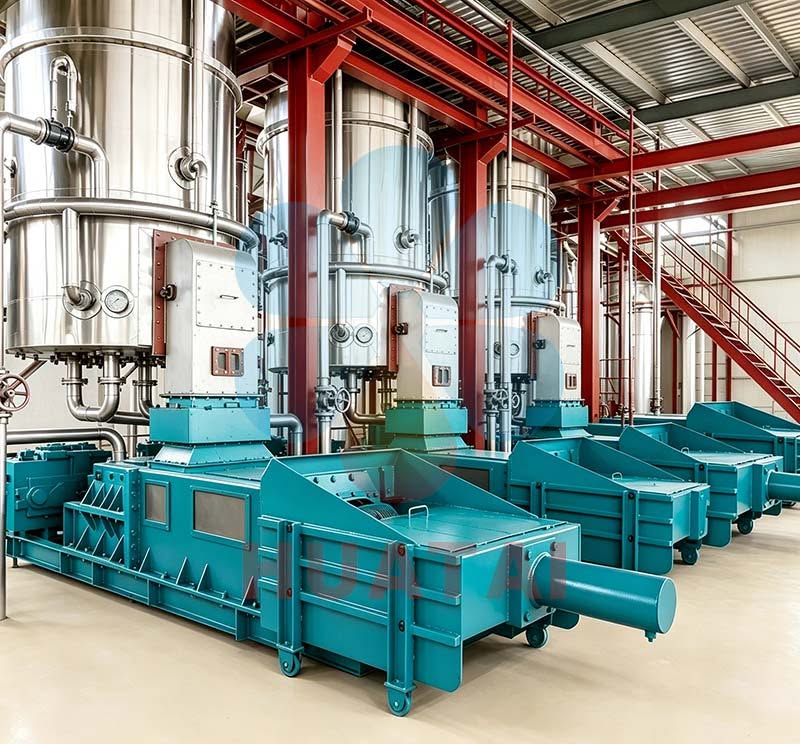
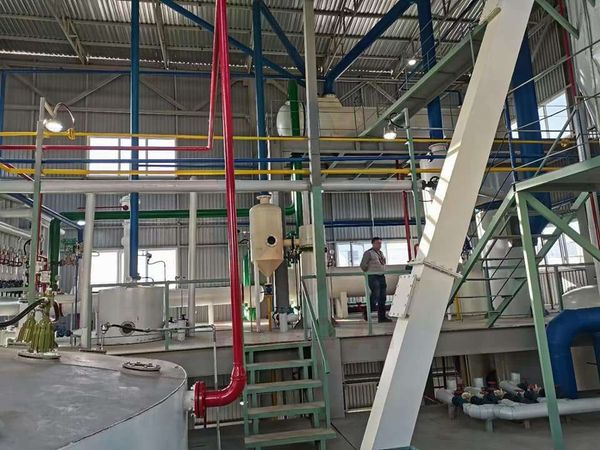
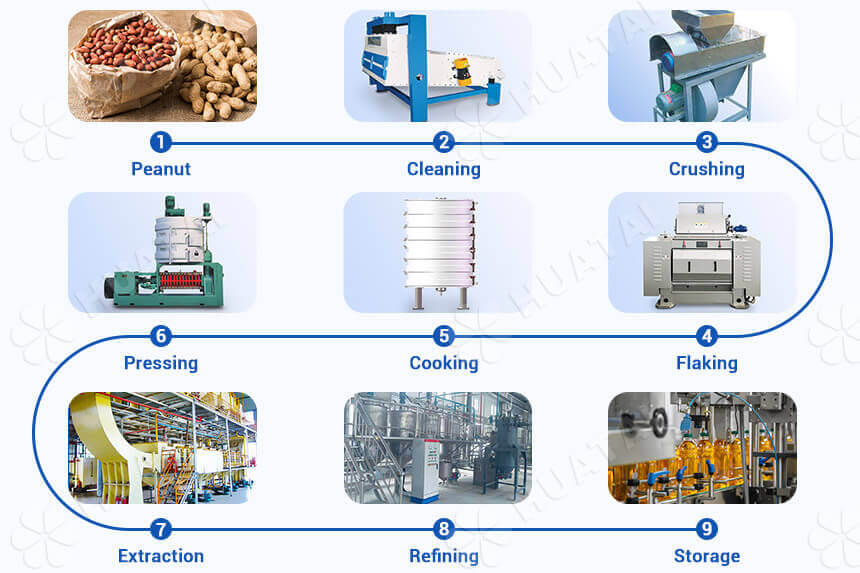
With the continuous global growth in demand for edible oil, an increasing number of investors are turning their attention to the palm oil processing industry. So, how to establish a palm oil factory? This article provides a comprehensive guide-covering project planning, process flow, equipment selection, and project implementation-and introduces the one-stop solutions offered by Henan Huatai Cereals & Oils Machinery Co., Ltd. to help you avoid common pitfalls.
1. Preliminary Planning: Key Preparations before Construction
1) Defining Production Capacity and Plant Type
The first step in establishing a palm oil mill plant is determining the core production capacity. Different capacity scales require different processing routes and investment levels: small-scale lines (1–10 tons/day), medium-to-large lines (10–100 tons/day), and large-scale lines (100–10,000 tons/day).
You must also select the type of plant: if located near palm fruit plantations, an integrated facility combining palm oil pressing and refining is ideal; if located far from raw material sources, the focus might shift to palm oil refining, fractionation, and packaging. Huatai Oil Machinery offers complete solutions for palm oil processing plants with capacities ranging from 10 tons to 1,000 tons per day, ensuring an ideal match for everyone from startups to large-scale oil and fat conglomerates.
2) Securing Raw Material Supplies
A stable supply of crude palm oil (CPO) is the foundation of plant operations. It is essential to evaluate factors such as transportation radius and quality indicators-specifically the Free Fatty Acid (FFA) content of the CPO—and to configure an appropriate crude oil storage tank area to handle seasonal fluctuations in palm fruit production.
3) Site Selection and Land Planning
The palm oil factory site should be situated away from sources of pollution such as harmful gases or smoke and dust. Plant roadways should be paved with hard materials like concrete to prevent water accumulation and dust generation. Accessibility is also crucial; the site should be near transportation hubs to facilitate the transport of raw materials and finished products.
It is recommended to reserve space for a potential Phase II expansion during the initial project planning stage. The palm oil plant site requires functional zoning-including areas for raw material storage, production workshops, finished product warehousing, hazardous waste temporary storage, and wastewater treatment—and must maintain a separation between production and living areas.
4) Utilities and Environmental Compliance
Palm oil processing requires reliable supplies of electricity, steam, water, and vacuum systems. Additionally, environmental impact assessment (EIA) approval is required prior to construction; wastewater must be pre-treated in on-site facilities to meet discharge standards, and waste gases must be treated before release.
2. Core Palm Oil Production Process
1) Palm Oil Extraction Process: From Fresh Fruit Bunches (FFB) to Crude Palm Oil
The complete palm fruit extraction process involves the following key steps:
Step 1: Raw Material Reception—FFBs are unloaded via a fully hydraulic platform, cleaned, and temporarily stored. Bunches should be delivered to the palm oil factory for processing within 24 hours of harvesting to prevent a rise in free fatty acid levels.
Step 2: Sterilization—Fruit bunches undergo sterilization using high-temperature steam. This step effectively deactivates enzymes, prevents oil rancidity, and ensures the high quality of the crude oil.
Step 3: Threshing—Sterilized bunches are conveyed via bucket elevator to a thresher, where strong vibration separates the palm fruit from the empty fruit bunches.
Step 4: Oil Press—Fruitlets undergo high-temperature cooking to break down cell structures, followed by pressing in a palm fruit oil press to extract the crude oil.
Step 5: Crude Oil Clarification—The pressed liquid enters the clarification section for sedimentation and separation; the purified crude oil is then conveyed to storage tanks.
Step 6: Palm Kernel Recovery—Press cake (a mixture of fiber and palm kernels) enters a fiber separation system; the separated palm kernels are used for subsequent palm kernel oil extraction. Huatai provides specialized palm kernel crackers and separators for efficient kernel-shell breakage and separation.
2) Palm Oil Refining Process: From Crude Oil to High-Quality Edible Oil
Freshly extracted crude palm oil contains impurities and requires further refining. Huatai Oil Machinery offers three refining solutions:
Batch refining: 1–10 tons/day; suitable for small-scale palm oil production lines.
Semi-continuous refining: 10–50 tons/day; suitable for medium-to-large palm oil production lines.
Fully continuous refining: 50–600 tons/day; suitable for large-scale palm oil processing plants.
The four core steps of palm oil refining are:
Degumming/Deacidification: Uses a washing method to separate soap stock from the crude oil.
Bleaching: Removes pigments, residual soap, and metal ions to improve the oil's color.
Deodorization: A critical step for quality enhancement; removes unpleasant odors to produce edible oil with a pure flavor.
3) Palm Oil Fractionation Process: The key to maximizing value.
Palm oil possesses unique multi-melting-point characteristics. Through fractionation, refined oil can be separated into products with different melting points (such as soft oil, medium-fraction oil, and stearin), significantly increasing economic value. Huatai’s palm oil fractionation lines offer capacities ranging from 1 to 500 tons/day; they utilize advanced crystallization equipment and membrane filters, combined with precise automatic temperature control software, to ensure stable and reliable fractionation results.
3. Palm Oil Equipment Selection: Choosing a Reliable Partner
Equipment selection is one of the most critical aspects of building a palm oil factory. When selecting a palm oil equipment supplier, focus on the following points:
1) Technical Strength: Capabilities in independent R&D and patented technologies.
2) Project Experience: A track record of successful projects both domestically and internationally.
3) Service Capabilities: Ability to provide end-to-end services, from design to commissioning.
4) Product Range: Ability to supply a complete suite of equipment for pressing, refining, and fractionation.
4. Huatai Oil Machinery: One-Stop Palm Oil Plant Solutions
1) Corporate Strength
Henan Huatai Cereals & Oils Machinery Co., Ltd. was established in 1988 and is recognized as a national-level "Little Giant" enterprise (specializing in niche markets with cutting-edge technologies) and a national-level "Green Factory." The company covers an area of 100,000 square meters, operates 12 modern intelligent equipment manufacturing workshops, and serves clients in over 70 countries and regions worldwide.
2) Core Technical Advantages
Huatai Oil Machinery has established a comprehensive product line covering the entire process of oilseed pretreatment, pressing, solvent extraction, and refining. Its complete sets of palm fruit oil extraction equipment incorporate multiple patented technologies across the pressing, refining, and fractionation stages, enabling them to meet the production requirements of major growing regions such as Southeast Asia and Africa.
Huatai Oil Machinery offers "turnkey" palm oil processing plant solutions, covering everything from factory layout design and equipment manufacturing to on-site installation and commissioning. The company boasts over 38 years of experience in the R&D and manufacturing of grain and oil processing equipment.
3) Global Project Portfolio
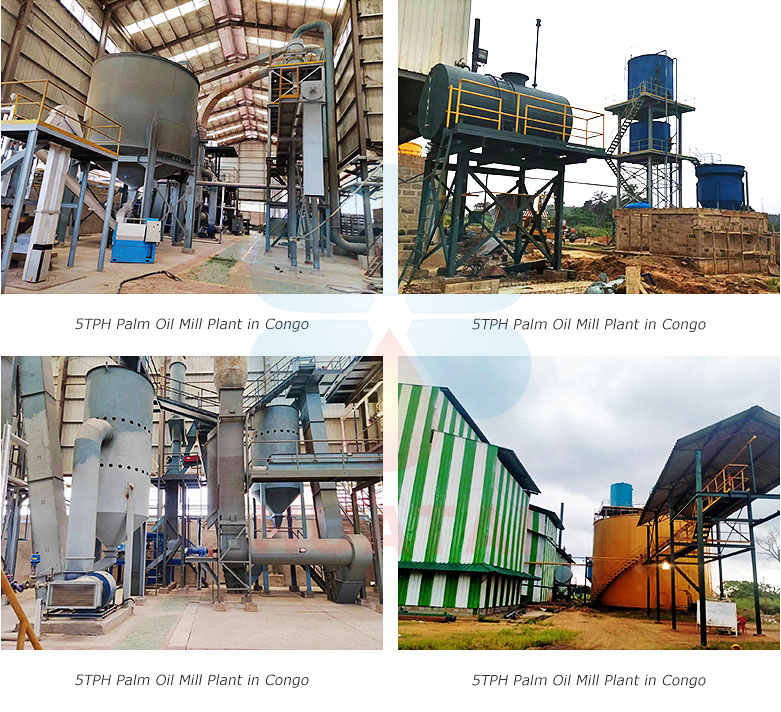
Huatai Machinery's palm oil processing technology and equipment have been successfully deployed in more than 70 countries and regions worldwide.
5. Project Implementation and Post-Commissioning Operations
1) Project Implementation Process
A complete palm oil plant project typically involves the following stages:
Feasibility study and market analysis: Identifying target customer groups and market demand
Process design and layout planning: Determining the process flow and equipment configuration
Equipment manufacturing and procurement: Selecting reliable equipment suppliers
Factory construction and equipment installation: Completing civil works and installation according to the plan
Commissioning and trial production: Ensuring proper equipment operation
Launch of commercial production: Commencing formal operations
Huatai Oil Machinery demonstrates professionalism throughout project execution—upholding high standards and strict requirements at every stage, from process design and layout planning to equipment manufacturing and factory acceptance testing. Experienced project managers oversee the entire process, coordinating installation and commissioning work.
2) Cost Structure
Investment in a palm oil factory primarily covers equipment procurement, factory construction or leasing, and investment in environmental protection facilities. Total investment depends on various factors, including processing capacity, automation levels, utility systems, environmental compliance requirements, and local infrastructure conditions.
6. Conclusion
Establishing a palm oil factory is a systematic undertaking involving multiple stages, such as preliminary planning, process design, equipment selection, and project implementation. Selecting an experienced equipment supplier with strong technical capabilities is the key to ensuring project success. With over 38 years of industry experience, a comprehensive product portfolio covering the entire process, proprietary core technologies, and a global project footprint spanning more than 70 countries and regions, Henan Huatai Cereals & Oils Machinery Co., Ltd. has established itself as a trusted partner in the palm oil processing sector. Whether you are planning a small-scale palm oil pressing plant or a large-scale palm oil refinery and fractionation facility, Huatai Oil Machinery offers one-stop solutions—from initial planning to final commissioning—to help you gain a competitive edge in the global palm oil industry.
Website: https://www.oilpresscn.com/
Email: info06@cnoilmachine.com