
Nigeria, Africa's most populous nation, is experiencing a "golden age" for palm oil. Although this West African country-once the world's largest palm oil producer-has seen its former glory fade, a massive supply-demand gap has opened a door to wealth for investors. So, just how lucrative is the palm oil business in Nigeria? This article provides a comprehensive analysis across three dimensions: market data, profitability, and equipment investment.
1. A Staggering Supply-Demand Gap: The Fundamental Logic of the Palm Oil Business
The profitability of Nigeria's palm oil business is rooted primarily in a massive supply-demand imbalance.
Data shows that Nigeria's palm oil production grew from 1.28 million metric tons in 2020 to 1.57 million metric tons in 2025-an increase of approximately 22% over five years. However, domestic consumption climbed in tandem, rising from 2.45 million to 2.61 million metric tons. This implies an annual supply deficit of over 1 million metric tons that can only be met through imports.
Nigeria spends as much as $600 million annually on palm oil imports. In 2025 alone, the country imported palm oil worth $393 million from Malaysia and $172 million from Côte d'Ivoire.
Even more noteworthy is the fact that Nigeria possesses over 3 million hectares of land suitable for oil palm cultivation, yet most of it remains underutilized. Over 80% of palm oil is produced by smallholder farmers using outdated methods, resulting in low yields and a fragmented value chain.
A massive supply-demand gap + outdated production models = huge market opportunity. This is the core logic behind the palm oil business in Nigeria.
2. How High Are the Profits? The Numbers Tell the Story
1) Skyrocketing Profits for Industry Giants
Industry analysts forecast that the total profits of Nigeria's leading palm oil producers will reach 161 billion Naira by 2026.
2) Impressive Return on Investment (ROI)
A study in Delta State revealed a benefit-cost ratio of 1.33 for palm oil production—representing a 33% profit margin; for every 1 Naira invested, there is a profit of 33 Kobo.
3) Strong Price Support
Despite short-term fluctuations in the local Nigerian market, tightening global supplies and rising demand for biodiesel are driving prices upward. Palm oil is widely recognized within the industry as one of Nigeria's most profitable agribusiness sectors.
3. Huatai Oil Machinery: Helping Investors Capitalize on Nigeria's Palm Oil Market
At this point, you might be wondering: with such a promising market, how can one get started? The answer lies in the palm oil processing sector-securing a competitive edge through advanced equipment. This is precisely where Henan Huatai Cereals & Oils Machinery Co., Ltd. adds value.
1) Deep Roots and Extensive Experience in the African Market
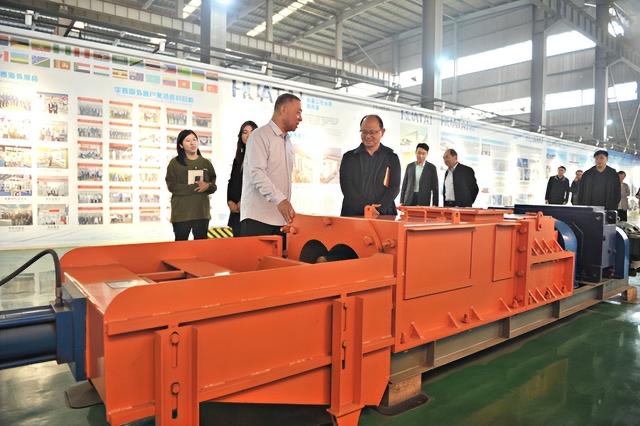
Huatai Oil Machinery is a large-scale manufacturer of grain and oil machinery-integrating R&D, design, manufacturing, installation, and after-sales service-and is recognized as a National High-Tech Enterprise. With over 38 years of experience in the industry, the company exports its products to 70 countries and regions worldwide.
Huatai Oil Machinery has successfully implemented numerous benchmark projects across Africa:
Ghana: Constructed a 20 T/D palm kernel oil pressing and 50 T/D palm oil refining line, alongside three 2 T/H and ten 1 T/H skid-mounted palm fruit oil pressing units.
Cameroon: Delivered a complete 45 T/H palm fruit oil pressing plant—the country's largest crude palm oil processing project-as well as a 6 T/H palm fruit oil pressing line.
Uganda: Shipped complete equipment sets for 100 T/D palm fruit oil pressing, refining, and solvent extraction.
DR Congo: Delivered a complete 100 T/D palm oil refining and fractionation plant.
Nigeria: Successfully implemented multiple benchmark projects, including a 300 TPD palm kernel oil pressing plant.
2) Leading Technology and High Oil Yield
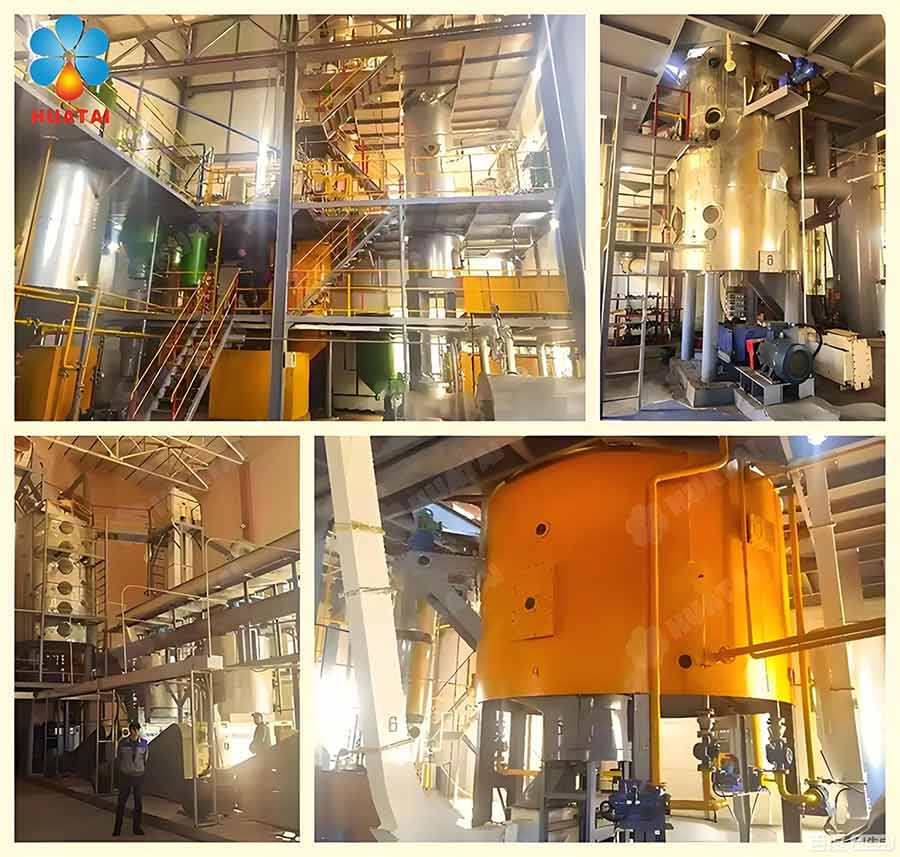
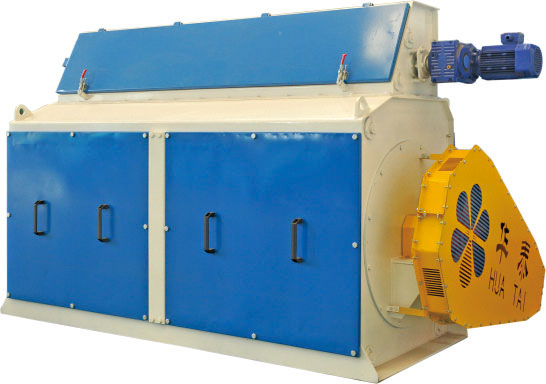
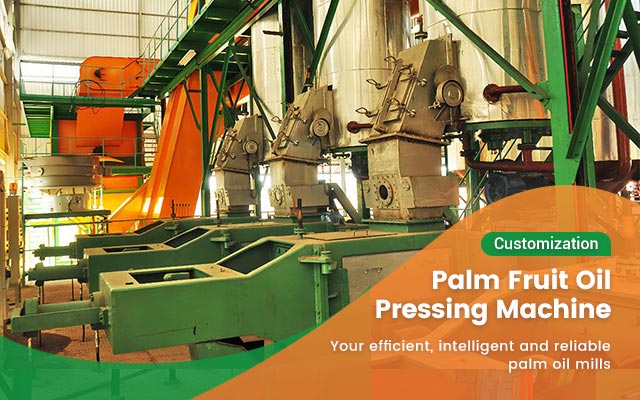
Huatai Oil Machinery's complete palm fruit oil processing equipment integrates multiple patented technologies, offering core technical advantages in palm oil pressing, refining, and fractionation. The equipment is adaptable to the production needs of various major African growing regions; it delivers excellent oil yields in actual operation, while energy consumption metrics-such as water, electricity, and steam usage-meet advanced industry standards.
Palm fruit bunches must be delivered to the palm oil extraction plant within 24 hours of harvesting to prevent a rise in free fatty acids (FFA). Huatai's modular equipment design specifically accounts for Africa's hot and humid climate, ensuring robust adaptability and operational stability.
3) One-Stop Solution
Huatai Oil Machinery offers more than just equipment; it provides a comprehensive, customized service package that spans process design and equipment manufacturing to installation, commissioning, and personnel training. The complete system covers every stage of production, including raw material intake, sterilization, threshing, pressing, crude oil treatment and storage, palm kernel recovery, and biomass boiler power generation. For investors looking to enter the palm oil processing sector in Nigeria, this translates to rapid plant construction, quick commissioning, and accelerated profitability.
4. Conclusion: Nigerian Palm Oil-A "Red Gold" Business Worth the Investment
In summary, the profit logic behind the Nigerian palm oil business is clear:
1) Substantial Market Size-Annual production is 1.57 million tons against a demand of 2.61 million tons, creating a supply gap of over 1 million tons.
2) High Profitability-Industry giants are seeing profits double; the Internal Rate of Return (IRR) ranges from 18% to 25%, with a Return on Investment (ROI) potential of 87% to 180%.
3) Strong Policy Support-The Nigerian government is vigorously promoting the local palm oil industry, aiming to achieve $50 billion in import substitution.
4) Proven Equipment Technology-Chinese grain and oil machinery enterprises, led by Huatai Oil Machinery, have demonstrated through successful projects across dozens of African countries that Chinese technology is fully capable of supporting the upgrading of Nigeria's palm oil industry.
As industry insiders observe: "Palm oil cultivation, processing, and export remain among the most profitable agribusiness ventures in Nigeria."
If you are seeking your next high-growth, high-return investment opportunity, the Nigerian palm oil business is well worth serious consideration. Choosing a reliable equipment partner- Henan Huatai Cereals & Oils Machinery Co., Ltd., which has been deeply rooted in the African market for years-will be the first step toward successfully striking gold in the "red gold" industry.
Website: https://www.oilpresscn.com/
Email: info06@cnoilmachine.com