

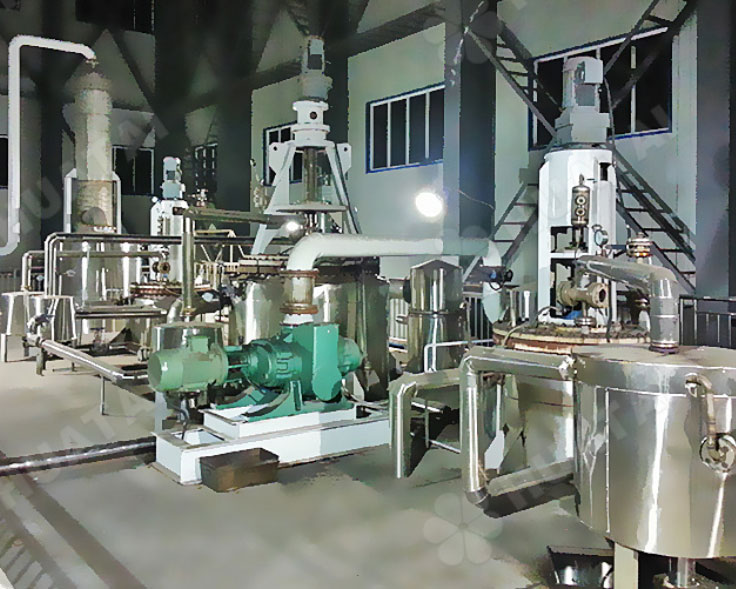
Palm oil is a significant type of vegetable oil, widely used in cooking oils, food processing, the catering industry, and various industrial sectors. For enterprises planning to build a palm oil processing plant, understanding "how palm oil is processed" is the essential first step in project planning. Palm oil processing typically involves several stages following the harvest of palm fruit: sterilization, threshing, digestion, pressing (extraction), crude oil clarification, and palm kernel recovery, followed by refining and fractionation. The specific processes and equipment configurations vary depending on the scale of operation, the condition of the raw materials, and the intended final products. Drawing on the expertise of Henan Huatai Cereals & Oils Machinery Co., Ltd. in the field of oil processing equipment, this article provides a systematic overview of the palm oil processing workflow and equipment selection.
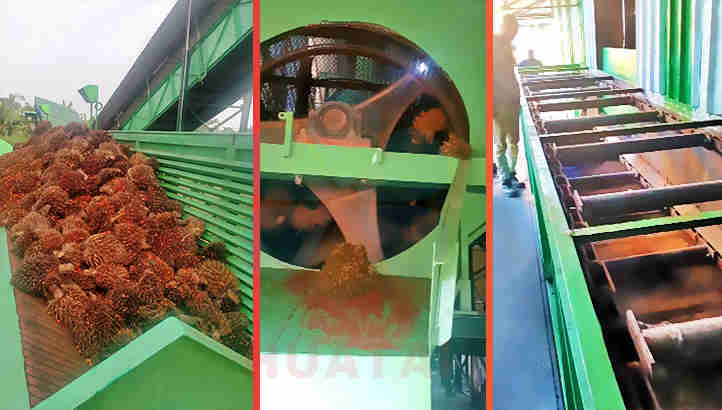
1. What Is the Basic Process for Palm Oil Production?
Palm oil is primarily extracted from the fruit of the oil palm. After the fresh fruit bunches (FFB) undergo sterilization, the individual fruits are detached from the bunches. These fruits are then digested and pressed to yield crude palm oil (CPO). Once clarified and cleared of impurities, the crude palm oil can be sold as a primary processed product. If the goal is to produce refined palm oil, the oil must undergo further processes, including degumming, deacidification (neutralization), bleaching, deodorization, and fractionation.
In summary, palm oil processing can be divided into two main stages:
Crude Palm Oil Production: Sterilization, threshing, digestion, pressing, clarification, and palm kernel recovery.
Palm Oil Refining and Fractionation: Degumming, deacidification, bleaching, deodorization, and fractionation.
Palm kernels can also be processed separately-via pressing or solvent extraction-to produce palm kernel oil. In actual projects, the process design should be tailored based on the scale of raw material input, product objectives, investment budget, and environmental requirements.
2. How Should Palm Oil Processing Equipment Be Selected?
When establishing a palm oil processing plant, equipment selection should focus on the following key aspects:
1) Processing Scale: Equipment specifications should be determined based on the daily capacity for handling fresh fruit bunches, as well as the targeted output volumes for crude oil and refined oil.
2) Raw Material Characteristics: Oil palm fruits from different origins or at varying stages of maturity require specific adjustments to the operational parameters for sterilization and pressing.
3) Product Positioning: Equipment configurations vary significantly depending on whether the facility produces only crude palm oil (CPO) or also manufactures refined oils and fractionated products.
4) Level of Automation: Automated control systems enhance operational stability, facilitating production management and quality control.
5) Environmental Protection and Energy Consumption: Priority should be given to the treatment of wastewater, exhaust gases, and solid waste, as well as the management of steam and electricity consumption; selecting energy-efficient equipment is essential.
6) Plant-wide Infrastructure: This includes auxiliary systems such as raw material receiving, boilers, storage tanks, conveying equipment, packaging lines, and laboratories.
3. The Role of Henan Huatai Cereals & Oils Machinery Co., Ltd. in Palm Oil Processing Projects
Henan Huatai Cereals & Oils Machinery Co., Ltd. specializes in the R&D, manufacturing, and engineering of grain and oil machinery. The company provides comprehensive services for palm oil processing projects, including process design, equipment manufacturing, installation, commissioning, and personnel training. Tailored to the client’s specific raw materials, production capacity targets, and product objectives, the company offers equipment and turnkey solutions covering palm fruit pressing, crude oil clarification, palm oil refining, fractionation, and palm kernel oil processing.
For palm oil processing projects, while the performance of individual machines is important, the compatibility of the entire palm oil production line, the stability of continuous operation, and the quality of after-sales service are equally critical. Henan Huatai Cereals & Oils Machinery Co., Ltd. can optimize process flows based on project requirements, assisting clients with equipment selection, facility layout, energy consumption control, and operational maintenance. These services are well-suited for both the construction of new palm oil processing plants and the upgrading or retrofitting of existing production lines.
4. Frequently Asked Questions (FAQ)
1) What are the primary pieces of equipment required for a palm oil processing plant?
Key equipment includes sterilization units, threshers, digesters, screw presses, clarification systems, palm kernel recovery systems, refining equipment, fractionation equipment, as well as storage tanks, conveying systems, and control systems. The specific configuration is determined by the planned production capacity and product strategy.
2) What is the difference between crude palm oil and refined palm oil?
Crude palm oil is obtained through pressing and clarification; it contains significant amounts of impurities and free fatty acids. Refined palm oil, on the other hand, undergoes processes such as degumming, deacidification, bleaching, and deodorization, resulting in greater stability and a wider range of applications.
3) How can the oil yield be improved in palm oil processing projects?
Improving oil yield requires comprehensive control across several stages: ensuring the freshness of raw materials, optimizing sterilization time and temperature, maximizing fruit detachment, achieving the proper degree of fruit mashing, fine-tuning pressing parameters, and enhancing clarification and oil recovery. Proper equipment configuration and adherence to operational standards are critical to achieving high oil yields.
4) Can palm oil processing equipment be customized?
Yes. Since every project differs in terms of daily processing capacity, raw material characteristics, and product specifications, equipment configurations and process flows typically require custom design. Henan Huatai Cereals & Oils Machinery Co., Ltd. can provide tailored solutions based on the specific requirements of your project.
5. Conclusion
The core of effective palm oil processing lies in designing appropriate sterilization, pressing, clarification, refining, and fractionation processes—tailored to the specific raw materials and desired end products—and selecting the right processing equipment. For investors in palm oil processing, partnering with a company that offers expertise in process design, equipment manufacturing, and engineering services can help minimize trial-and-error costs and boost palm oil production line efficiency. Henan Huatai Cereals & Oils Machinery Co., Ltd. provides equipment and full-plant engineering services covering palm oil pressing, refining, and palm kernel oil processing, offering valuable support and guidance for palm oil processing projects.
Website: https://www.oilpresscn.com/
Email: info06@cnoilmachine.com